

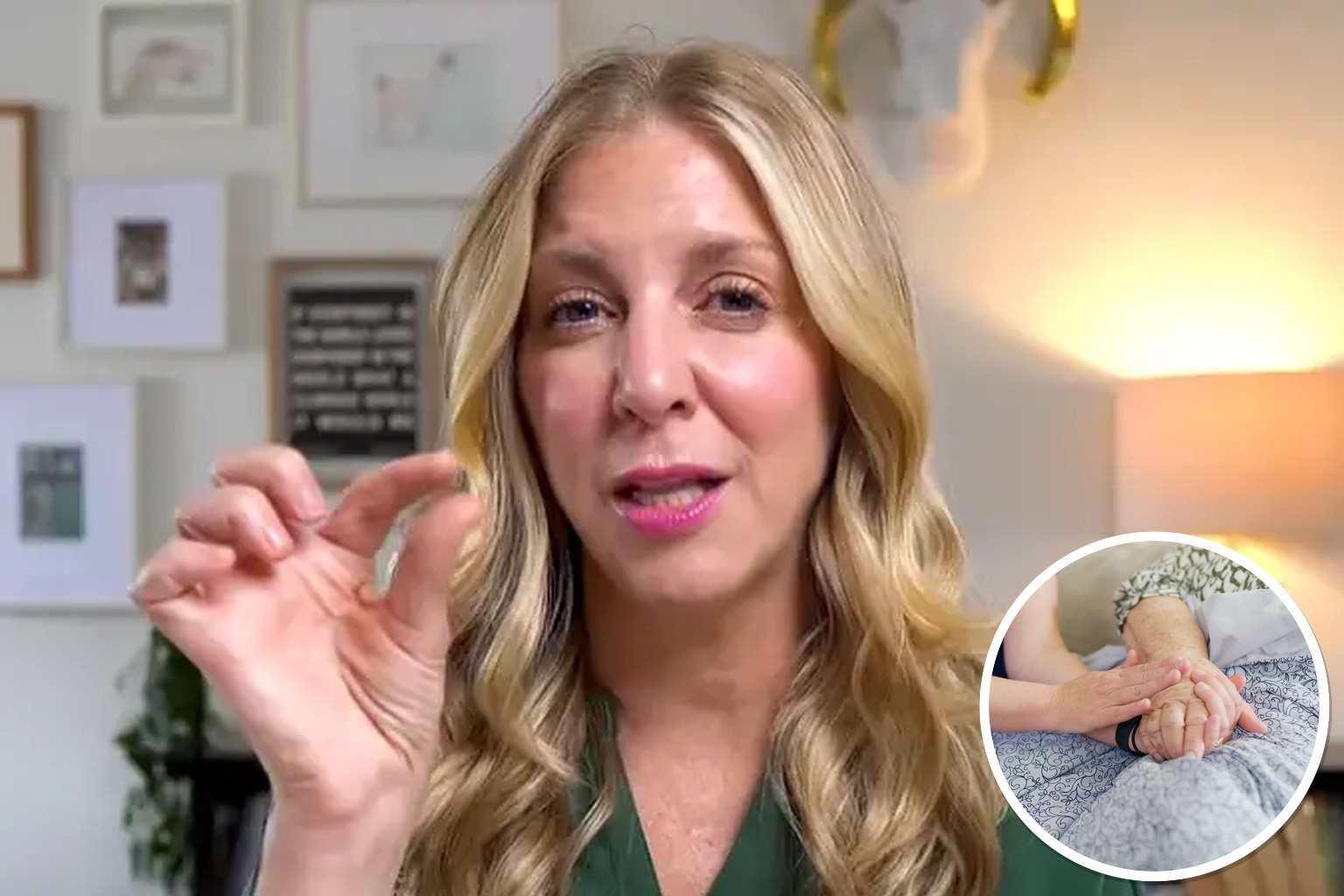
A hospice nurse with years of end-of-life experience is urging families not to panic when they hear a alarming sound in a dying loved one’s final hours.
Julie McFadden, a hospice nurse who has attended hundreds of deaths, posted a YouTube video on November 9 explaining that the so-called “death rattle” is a routine biological process that is frequently mistaken for an emergency. She warned that the noise can prompt frightened relatives to call 911 and summon paramedics when no intervention is actually needed.
“The death rattle is actually called terminal secretions, and again, it’s expected and usually does happen at the end of life,” McFadden said in the upload. She continued: “Your loved one is not drowning on their fluids or choking on anything. It is a little bit of saliva that’s collecting in the back of the throat because the body is no longer swallowing the saliva being made. And then because their mouth is usually open, there’s like a wet breath going over it with every breath causing that gurgling noise.”
McFadden, who regularly shares death education content on YouTube and TikTok, noted that the sound can “really freak people out” when it surfaces unexpectedly. She advised anyone who encounters it to contact their hospice provider immediately rather than pursuing emergency medical services. “When in doubt, call your hospice company,” she added.
The nurse has built a substantial following by demystifying the physical changes that precede death, and her November video placed the death rattle within a broader pattern of terminal signs. She explained that breathing alterations and sudden functional decline, where patients can no longer manage basic self-care, typically appear alongside or near the same period. Eating and drinking often cease entirely, sometimes dramatically and sometimes over a longer stretch.
“Sometimes no food and water will be taken in for a whole day. This can happen dramatically. This can happen gradually. It all depends. But it’s very, very normal,” McFadden said. She then emphasized: “I can’t stress this enough. Never force your loved one to eat or drink. It’s expected. There’s nothing you have to do about it. Just take it a day at a time. Some days will be better than others.”
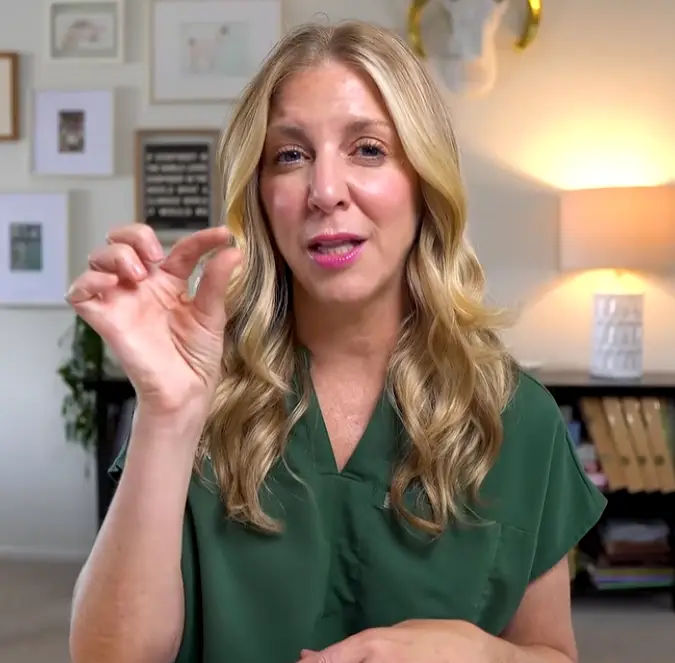
Cognitive deterioration also figures prominently in McFadden’s catalog of expected changes. She listed falling, memory loss, and language impairment among the developments that families should anticipate without interpreting them as reversible crises. “It can be really scary and shocking when it starts happening. But again, it’s always to be expected,” she said.
McFadden’s broader body of work includes discussion of another phenomenon that can unsettle the unprepared: dying individuals sometimes appear to perceive or interact with deceased relatives in their final weeks. She has consistently framed such experiences as normal elements of the dying process rather than causes for alarm.
Throughout her November 9 video, McFadden returned to a central message that each of these signs, however distressing to witness, represents the body’s predictable shutting down rather than a problem demanding correction. Her guidance to families remains uniform across symptoms: reach out to hospice staff for guidance, resist the impulse toward emergency intervention, and recognize that the body is following its own terminal logic.
McFadden continues posting end-of-life education videos to her YouTube channel and TikTok accounts.