

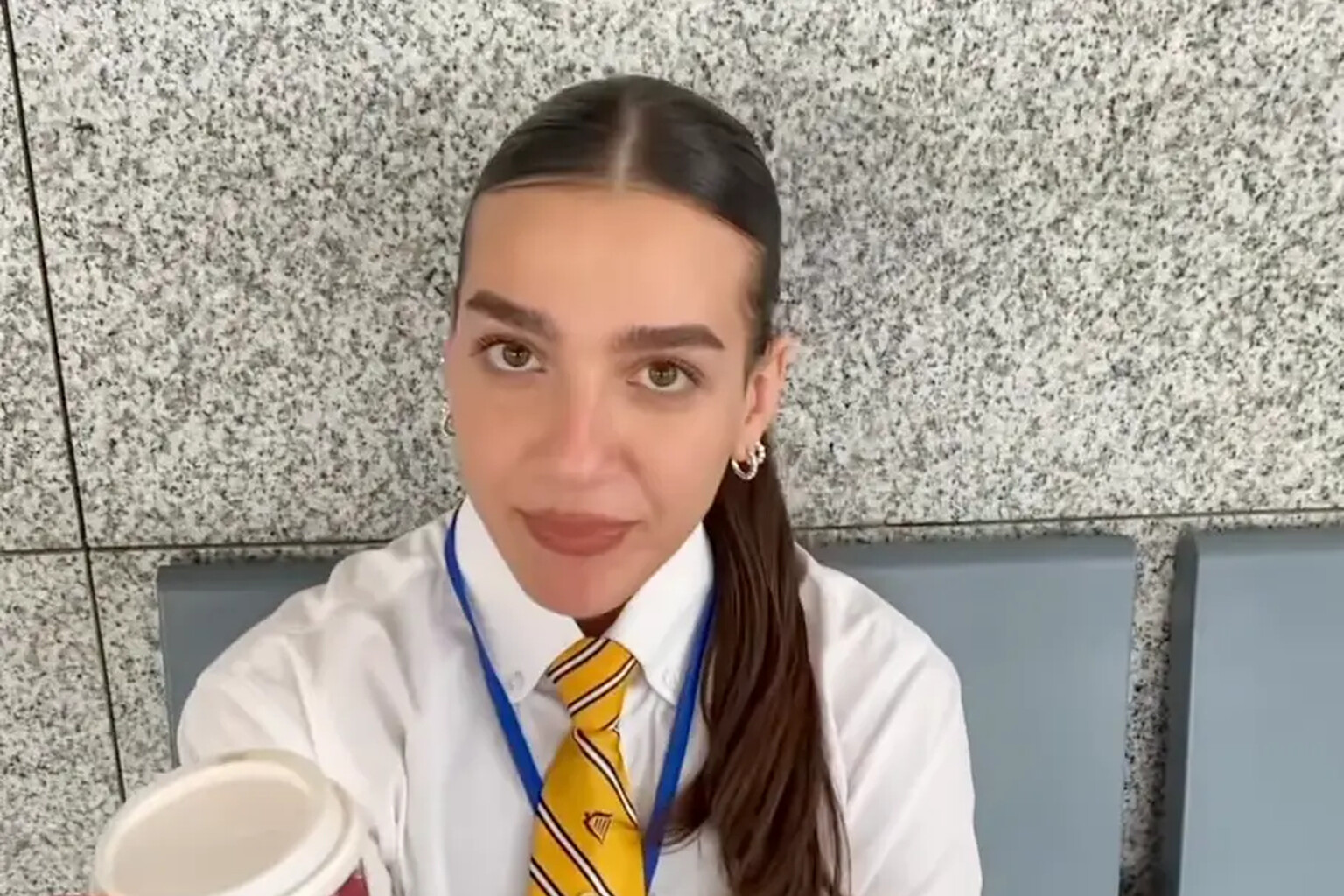
Ryanair cabin crew member Naomi Rotolo is pushing back against the popular belief that airline staff operate with a hidden vocabulary passengers cannot crack.
Rotolo, who works for one of the UK’s largest budget carriers, told SlotsLV that the notion of a deliberately opaque code is pure fiction. She emphasized that crew members must remain comprehensible to travelers at all times, and any communication barrier would undermine their core duty.
“It would be a problem if a crew member couldn’t make themselves understood by passengers, that’s the exact opposite of what we’re supposed to do,” she said.
The flight attendant was direct in her debunking. “I have to bust the myth a bit here: there’s no language or code that crew use specifically to avoid being understood by passengers,” she said.

That same transparency extends to colleague-to-colleague warnings. Rotolo rejected the idea that staff deploy covert signals when problems arise. “Similarly, there’s no secret word or signal to warn a colleague about something without a passenger noticing,” she added.
What does exist, she clarified, is a practical set of hand gestures—but these are mundane tools for service efficiency, not a cryptic system. “We also don’t use sign language in the formal sense, like BSL or ASL – it’s more a set of practical hand signs we use between colleagues to quickly communicate simple things, like ‘cappuccino,’ ‘sandwich,’ or other service requests, without having to raise our voices across the cabin or walk back and forth every time to ask what someone needs,” she explained.
British Sign Language and American Sign Language play no role in these exchanges. The gestures merely spare crew from shouting over engine noise or making unnecessary aisle treks to confirm whether a colleague needs a coffee or a meal item.
For weightier matters, Rotolo said the approach is even simpler. “If we need to communicate something serious to a colleague, the fastest and most effective way is simply… talking. No code, no secret language, just direct, clear communication,” she said.
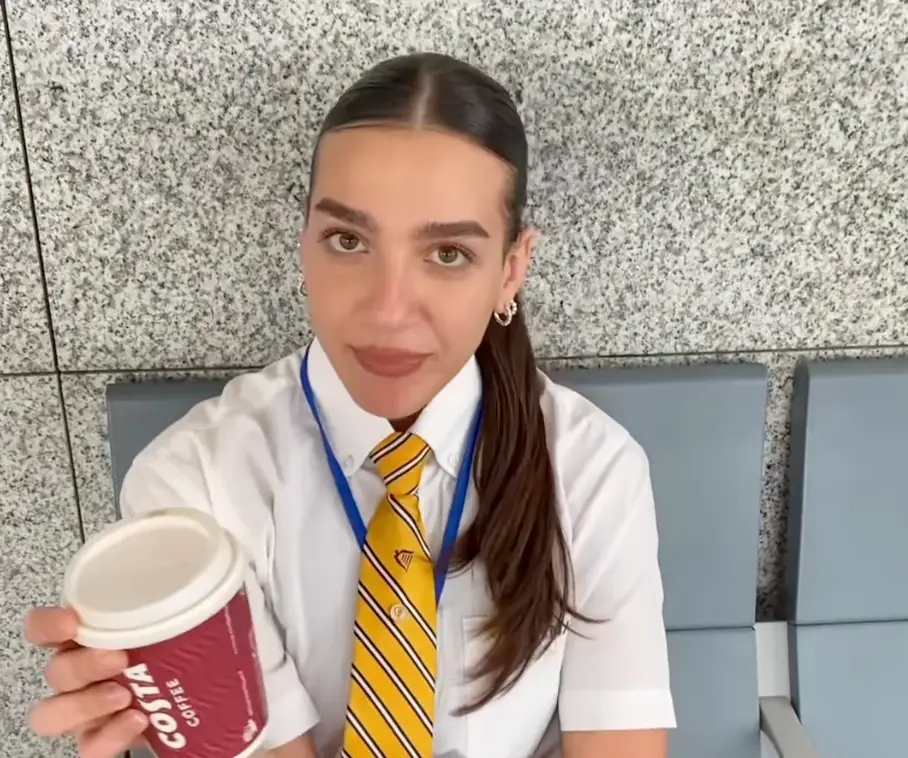
Rotolo’s account clashes with testimony from other attendants who have described a livelier lexicon behind the galley curtain. A British flight attendant told the Express that staff deploy the word “precious” to tag difficult passengers. The Sun carried claims from an anonymous crew member that anyone branded a “Philip” has crossed a line and faces chilly treatment for the remainder of the flight.
Travel magazine Far & Wide has catalogued additional terms reportedly circulating among staff: “hot coffee” for attractive travelers, “coach roach” for economy passengers who slip into premium cabins unpaid, and “gate lice” for those who swarm boarding doors before their group is summoned.
The contrast between Rotolo’s sanitized portrait and these colorful confessions leaves the full picture of cabin culture unsettled. Her insistence on plain-dealing communication, however, frames the debate as one between operational necessity and workplace folklore.
Ryanair has not issued a statement in response to Rotolo’s remarks.