

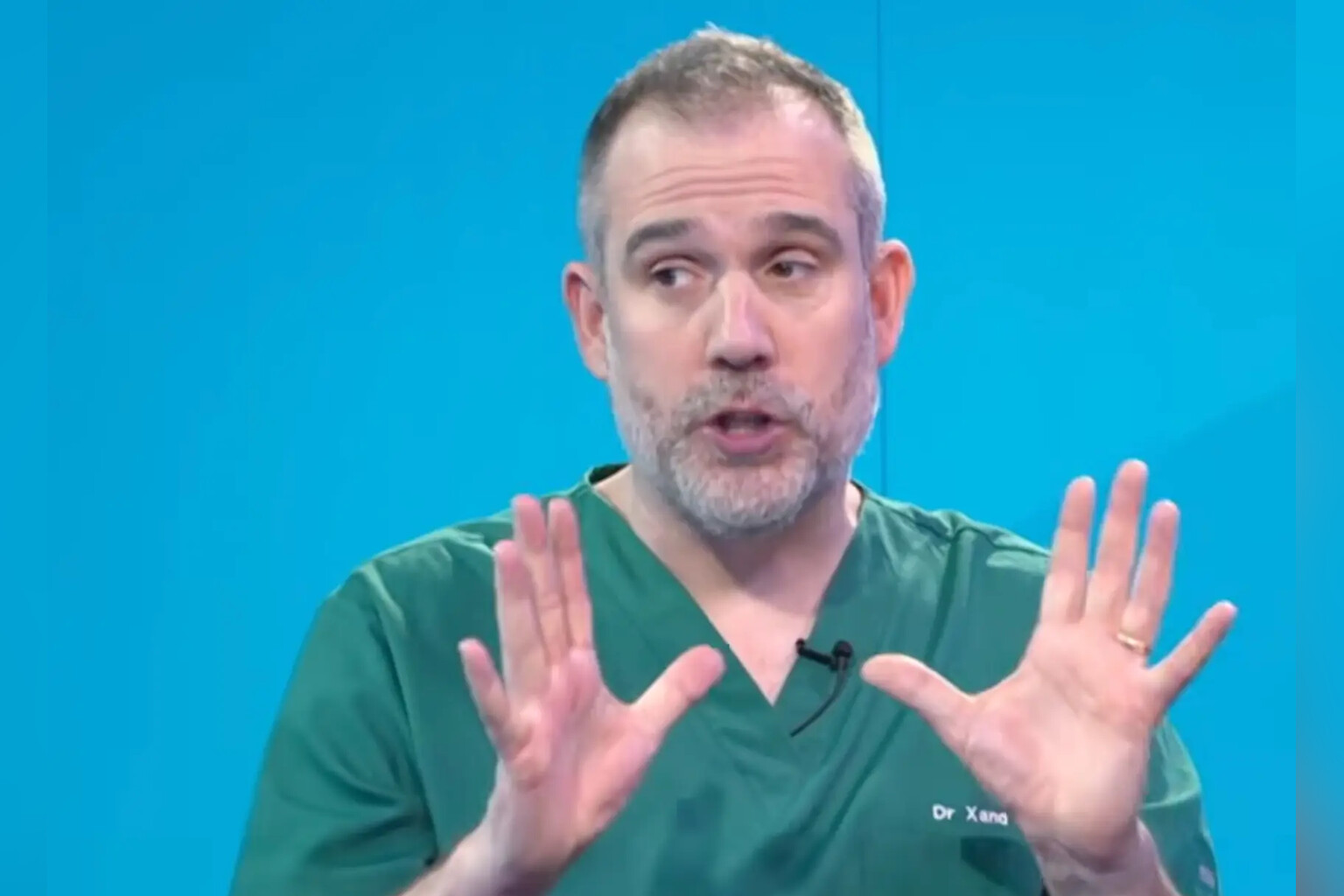
Dr Xand has warned migraine sufferers to ignore social media health hacks and seek proper medical guidance instead.
The TV doctor, whose full name is Alexander van Tulleken, appeared on BBC Morning Live on September 29 to address the flood of unverified remedies circulating online. He stressed that getting health advice from platforms like TikTok and Instagram can be dangerous, particularly for a condition that affects roughly one in seven UK adults.
Michelle Ackerley, the show’s host, pressed him on three specific viral remedies during the segment. “There are so many myths and remedies you can find, especially when it comes to migraines… It would be good to know if any do help,” she said.
Ackerley asked whether taking painkillers with coffee, placing a peeled potato on the head, or soaking feet in hot water had any merit.
“The central thing is do not get your health advice from social media, and that is so important,” Dr Xand fired back.
He continued: “All of those seem a little bit plausible and a little bit ridiculous at the same time. But one of the three is true, and that one is the cup of coffee.”
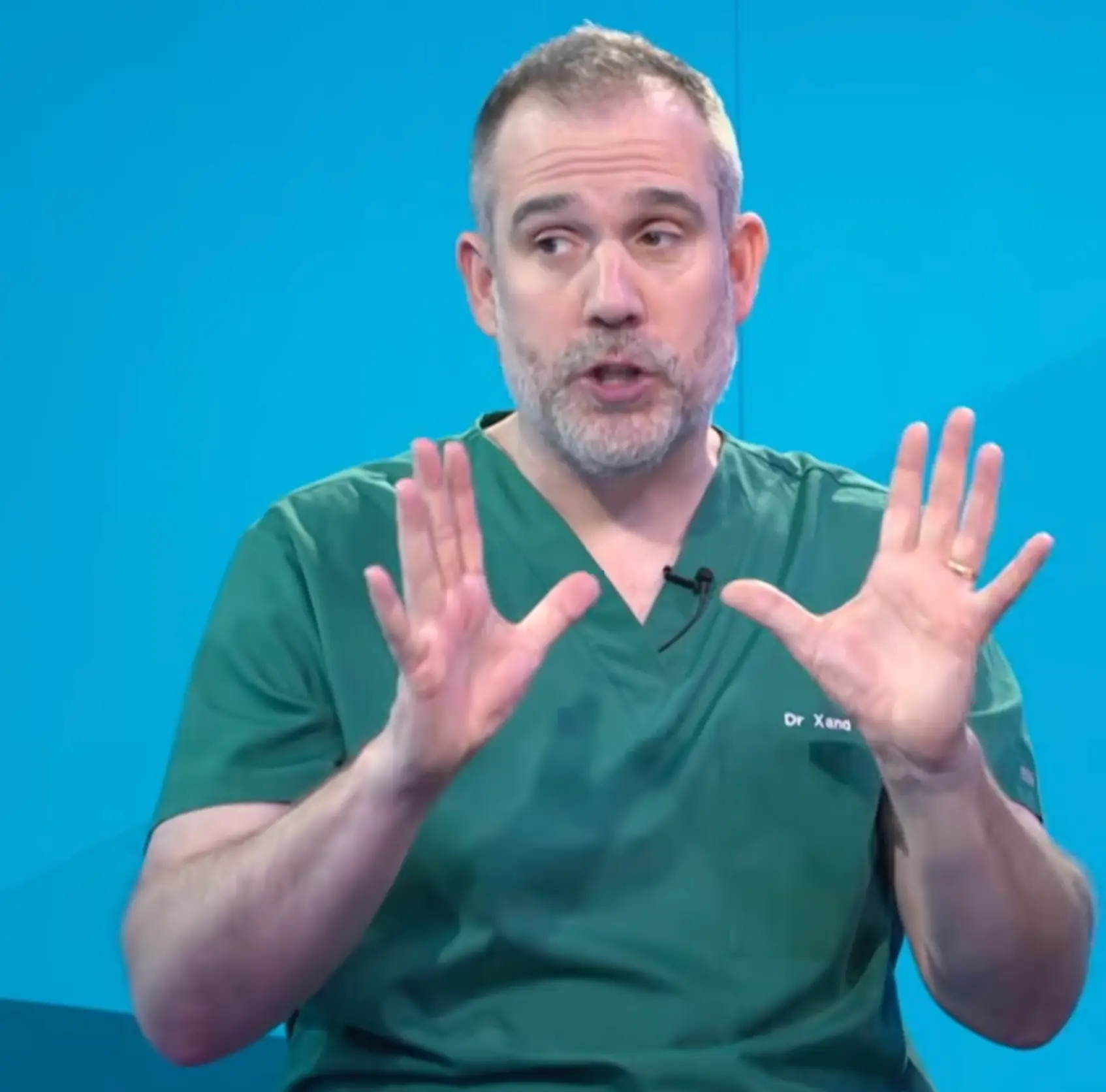
Dr Xand explained that caffeine can boost painkiller effectiveness, noting that some over-the-counter products already combine the two. “So paracetamol and ibuprofen in combination, with some caffeine, around 150ml of caffeine, so a cup of normal coffee, not super strong, will get you there,” he shared. “Won’t work for everyone. But don’t get into the potato and hot water [hacks], it can be dangerous.”
The Migraine Trust estimates that 10 to 15 million people in the UK experience migraines, with approximately 190,000 attacks occurring daily. Despite this prevalence, fewer than one in five sufferers receive a formal clinical diagnosis from a medical professional.
The NHS describes migraine as a complex neurological condition distinct from ordinary headaches. Attacks typically last between four hours and three days, forcing many sufferers to retreat to dark, quiet rooms due to extreme sensitivity to light, sound, and smells.
During episodes, patients may also experience nausea, vomiting, abdominal discomfort, and diarrhea. Some experience migraine with aura, which produces temporary neurological warning signs including flashing lights, zigzag lines, blind spots, or temporary vision loss. These visual disturbances can persist for up to an hour before or during the headache itself.

The NHS recommends taking acute medications such as painkillers or triptans at the first sign of an attack for maximum effectiveness. Patients are advised to lie in a quiet, darkened room, apply an ice pack or cool cloth to the forehead or neck, and sip water continuously since dehydration can worsen symptoms. A warm pack may help those experiencing accompanying muscle tension.