

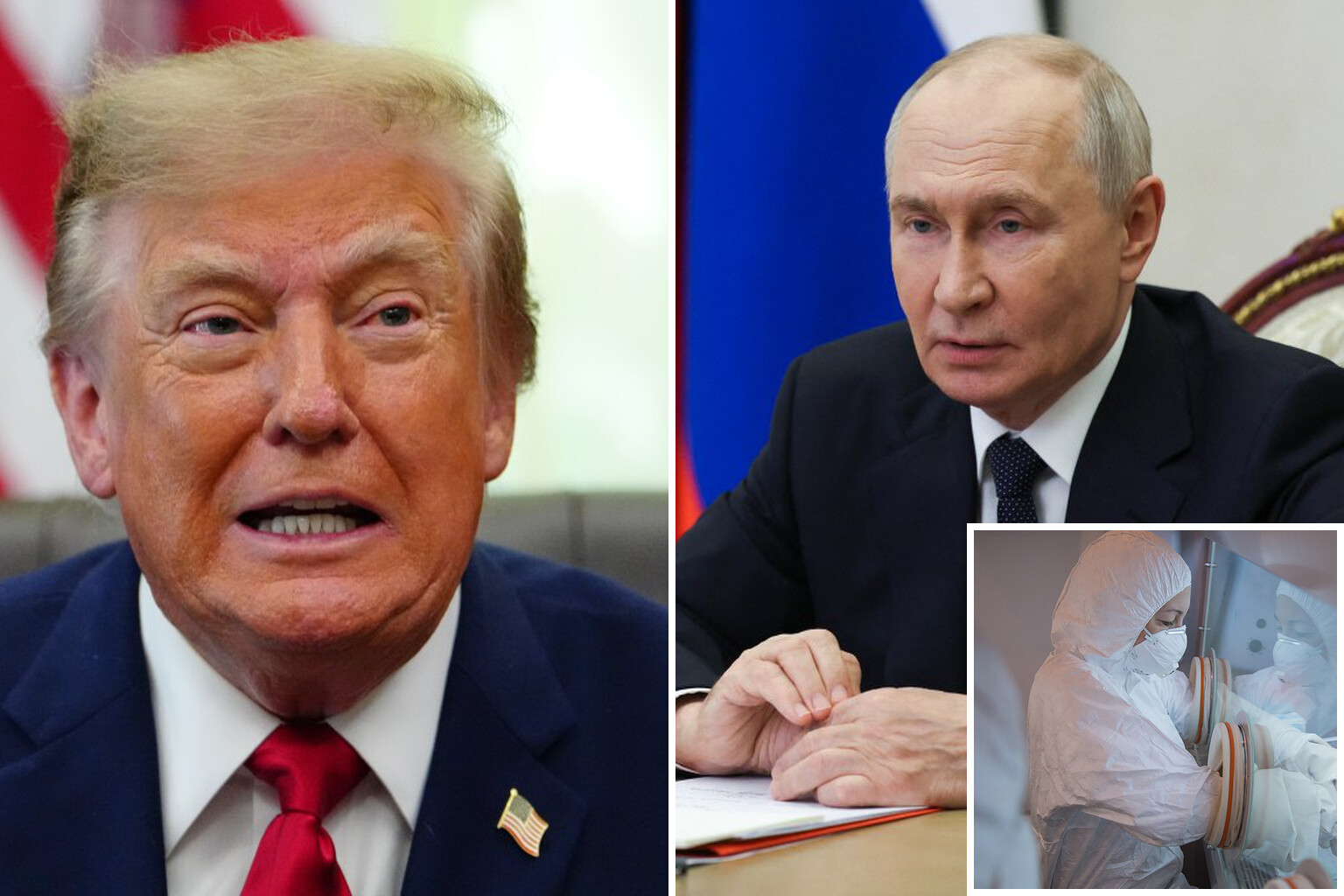
President Trump said Tuesday he does not believe a Russian plague scientist died from a biological weapon, though he promised answers would come quickly.
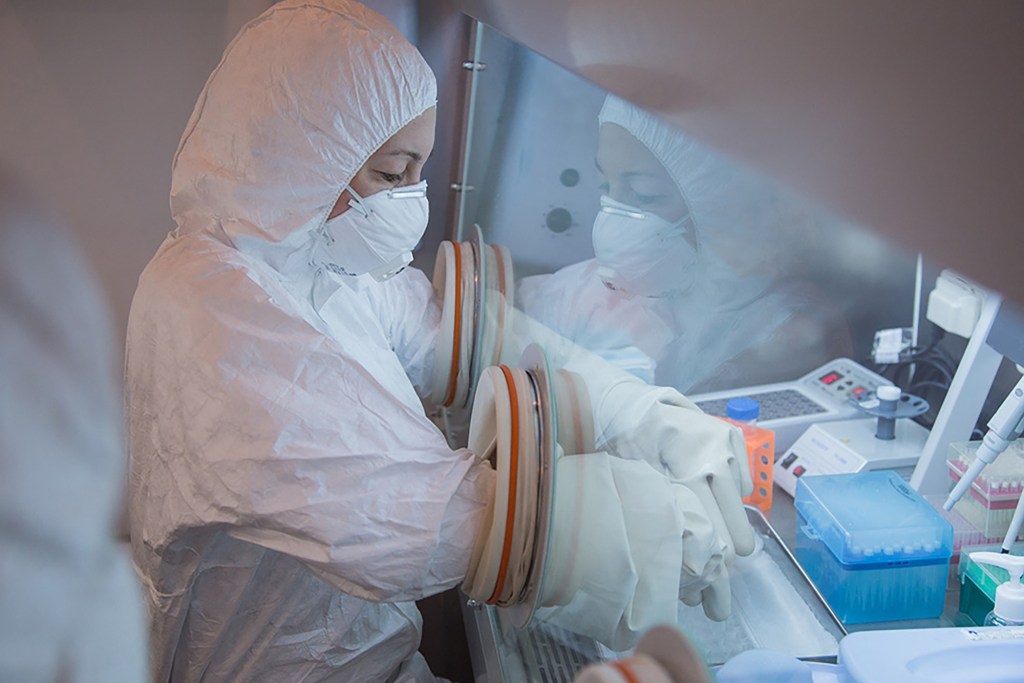
The president, 78, addressed the death of Daria Shipilova, 28, from the Oval Office after receiving a briefing from U.S. Officials on the case that has rattled American scientists and security experts. Shipilova died last Friday in a hospital outside Irkutsk, a city in Siberia, and her illness immediately fueled speculation that it was tied to her employment at the nearby Anti-Plague Research Institute.
“We don’t think so. We’re going to find out soon enough, but we don’t think so,” Trump told journalists when asked whether Shipilova may have died from a bioweapon. He added that Russian officials had given assurances about the situation: “If you listen to them, it’s under control. You know, people have said that before about other things.”
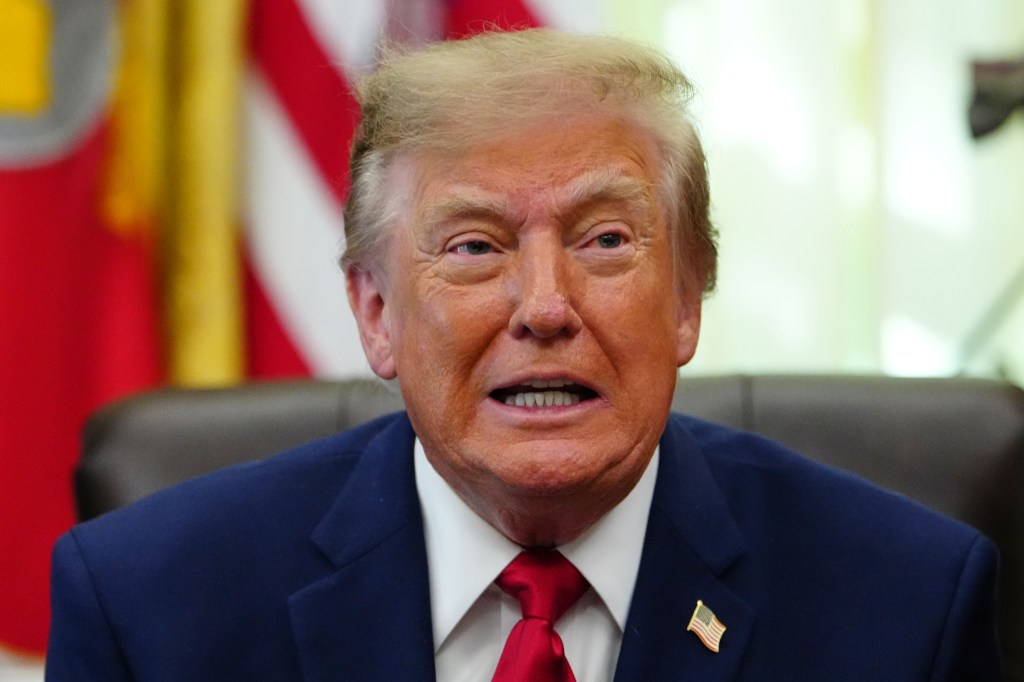
Trump drew a direct parallel between Moscow’s current silence and Beijing’s handling of the COVID-19 outbreak in 2019, which the FBI and other U.S. Agencies believe began with a lab leak of the novel pathogen. “China didn’t say much, and Russia’s not saying much either. But they do say they have it very much under control,” he said. The president expressed hope that the situation was indeed contained, noting, “They’re very sophisticated, very smart, and they’re saying it’s very much under control.”
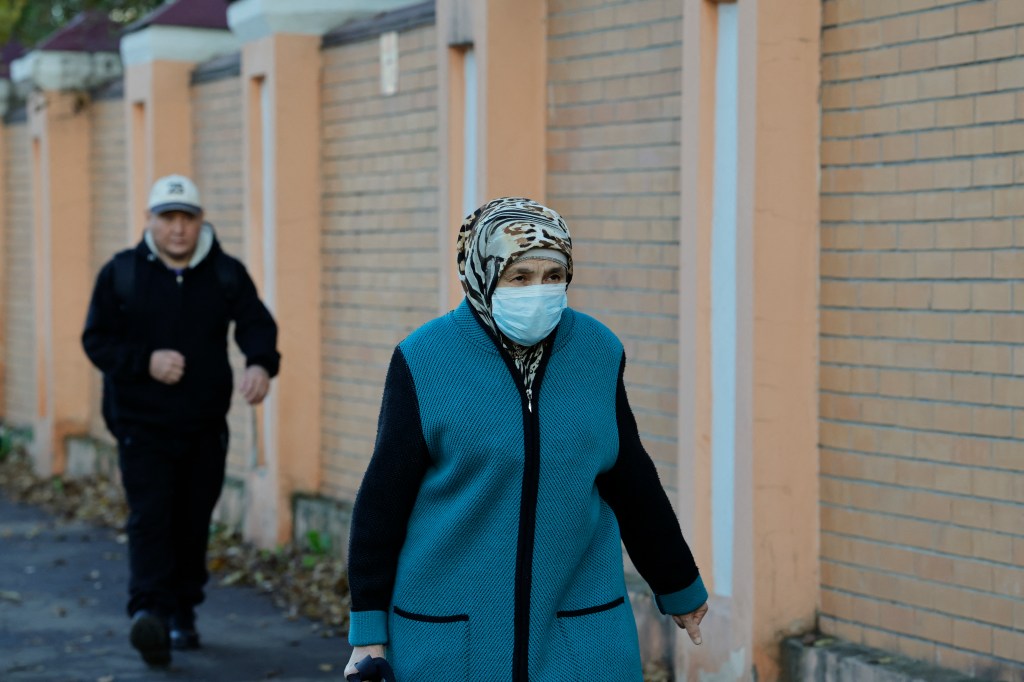
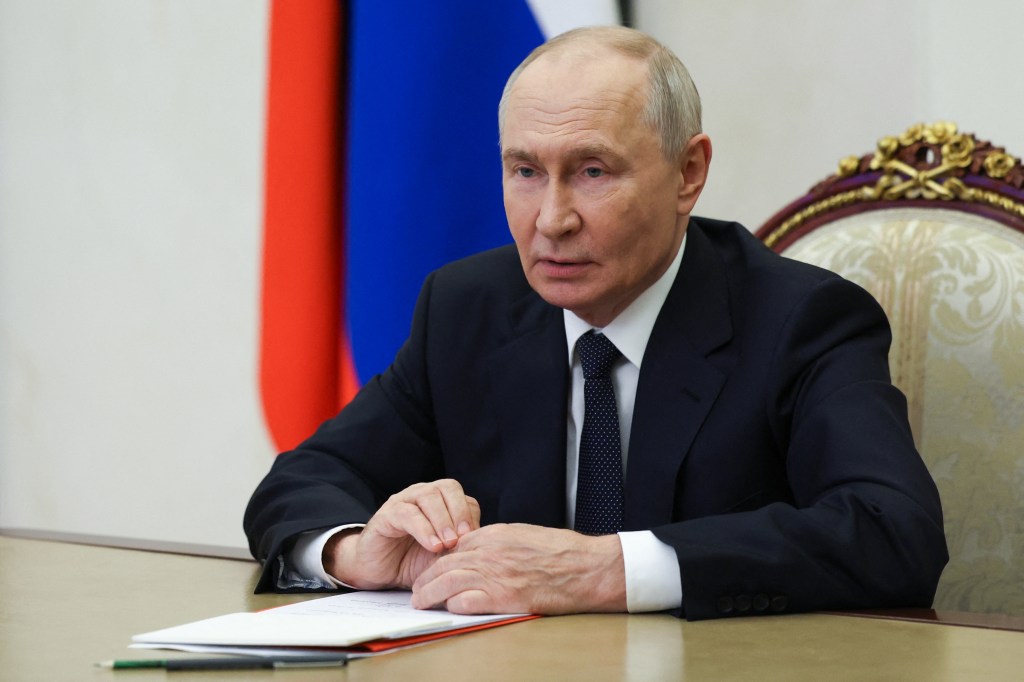
The level of information sharing between Washington and Moscow has been limited, according to Trump’s own account. “I have a call set up” with Russian President Vladimir Putin to discuss the crisis, he disclosed, though he did not specify when the conversation would take place. He noted the timing carried some awkwardness: “Today is Vladimir Putin’s birthday,” he said, adding with a joke, “I’m sure you’re going to celebrate.” Trump indicated that Russian officials were “sharing [information] a little bit with our people” but that the U.S. Expected “them to share it a lot with our people.”
Some early reports indicated Shipilova had broken a test tube at work before falling ill, and officials sent conflicting signals about whether pneumonic plague — which is nearly always fatal without prompt antibiotic treatment — was the actual cause of death. The Soviet Union’s biological weapons program in the 1980s had modified Yersinia pestis, the bacterium that causes plague, to create antibiotic-resistant strains, intensifying fears about what might be unfolding in Irkutsk.
Former CDC principal deputy director Nirav Shah wrote on X that the Russian government “surely knows the cause, and likely has a genomic sequence. They are unlikely to share it.” He assessed that speculation about “something sinister happening (bioweapon gone bad, etc.)” remained “a hypothesis but not much more” given the available evidence.
Other experts have been less restrained in their public assessments. Harvard public environmental professor Joseph Allen appeared on CNN to warn that “it feels like they’re hiding something,” and he wrote separately that the Russian government’s public-health response in the area “is disproportionate to what would happen if a lab worker was exposed to plague. That’s the tell.”
MIT biotechnology professor Kevin Esvelt wrote that the “physical lockdown indicates it cannot be controlled with prophylactic antibiotics, implying engineered pan-resistance or that it isn’t plague at all.”

Marshall Billingslea, a former senior Pentagon and Treasury Department official who oversaw military special operations, raised the stakes further in a post on X. “In the 1990s I worked with Ken Alibek, the former No. 2 in the Soviet biological weapons program, after he defected to the US,” he wrote. “He claimed that they had engineered a strain of plague that was antibiotic-resistant & that they had worked on plague chimeras (fusing 2 or more pathogens).”
Billingslea continued: “He specifically called out Irkutsk for being involved in the [biological weapons] program. This outbreak is deeply worrisome. This may not be just ‘the plague.’ It may be far worse.”
The Irkutsk facility where Shipilova worked sits in a region with documented historical ties to Soviet biological weapons research, a legacy that has amplified international attention to her death and the Russian government’s subsequent actions. The mixed messaging from officials about the cause of death, combined with the visible public-health response on the ground, has created an information vacuum that experts have rushed to fill with competing theories.
Trump’s scheduled call with Putin represents the most direct diplomatic channel for addressing the unanswered questions, though the president offered no timeline for when that conversation might produce additional clarity for American officials or the public.