


Svetlana Shipilova says she knows what really killed her daughter.
The 64-year-old mother of Darya Shipilova, a 28-year-old scientist who died on October 2 at the Irkutsk Anti-Plague Institute in Siberia, has flatly rejected the official narrative that a broken test tube containing pneumonic plague caused the fatal exposure. In an interview with local outlet Glubina, the elder Shipilova, herself a medical professional, accused Russian authorities of letting her daughter die and dismissed the broken vial theory as amateurish nonsense.
“I know the truth,” she told the outlet. “I’m having to fend off stupid acquaintances who believed all this – the clever ones didn’t believe it, of course.”
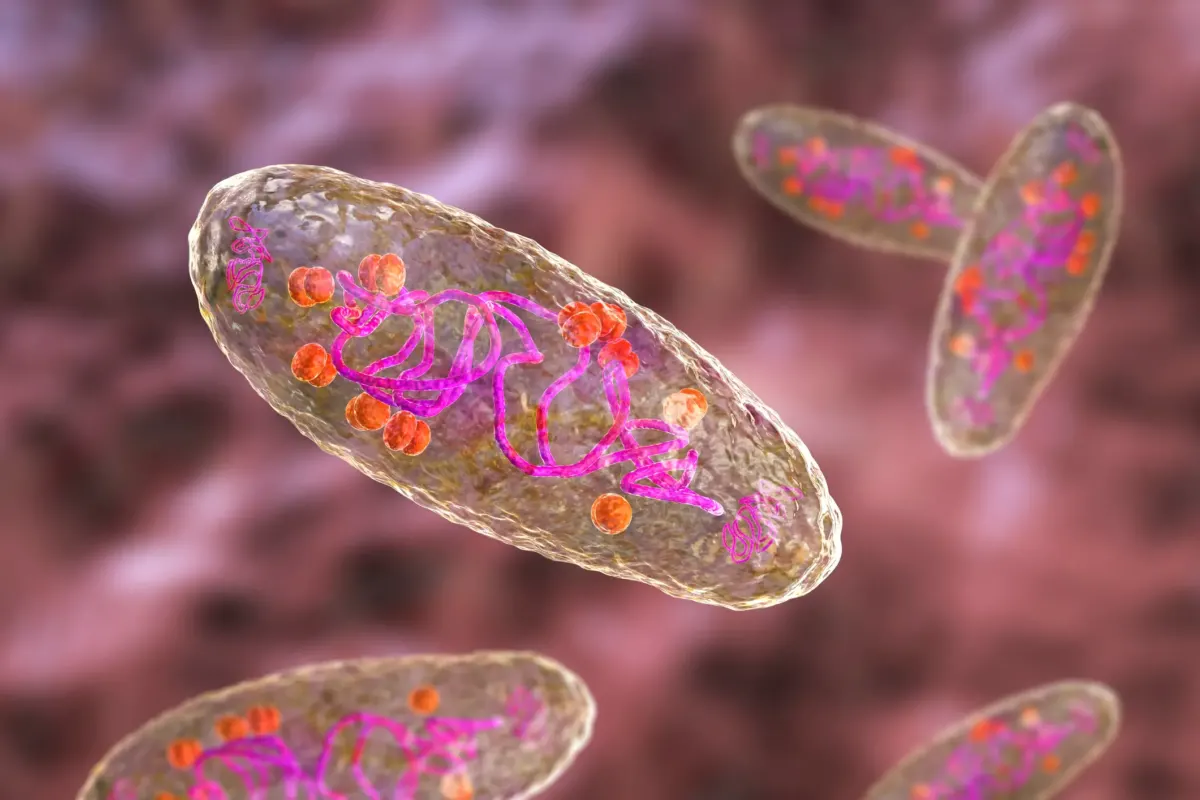
Her skepticism centers on laboratory engineering. Shipilova explained that test tubes designed for dangerous pathogens are built to withstand far more than a simple drop or collision. “Not even all medical professionals understand it’s impossible to break a test tube like that,” she claimed. “Even if you fling it at the wall. Only an amateur could say something like that.”
She continued: “Even hypothetically, you simply can’t spill what’s inside or break the tube – they’re that well protected.”
The Russian national public health agency, Rospotrebnadzor, has attributed Darya Shipilova’s death to “pneumonia of unknown aetiology,” a classification that sidesteps any confirmed link to the Yersinia pestis pathogen allegedly involved. The World Health Organization has sought clarity on the case as concerns spread across Eastern Europe.
Mikhail Favorov, a senior Russian epidemiologist, has publicly backed the mother’s doubts. “It’s laughable,” he said, per Moscow Times. “Someone working at the Anti-Plague Institute in Irkutsk wears a protective anti-plague suit. If you break a test tube, the likelihood of infection is actually very low.”
Favorov added a darker assessment of official transparency: “In short, it doesn’t matter to the general public – they’ll believe the ‘broken test tube’ story. It’s absolutely hair-raising. We will not be told what really happened.”
Svetlana Shipilova’s grievances extend beyond the cause of death to the treatment her daughter received afterward. Isolated in hospital, Darya did not survive despite what her mother characterized as routine salvageable cases. “I’ve saved more than one patient like [Darya], but they didn’t save my daughter,” she said. “They just let my daughter die.”
The family remains trapped in medical center lockdown, unable even to arrange a funeral. “[She] hasn’t been buried yet,” Shipilova said. “Who is going to bury her if we are sitting here imprisoned?”
The incident has triggered significant regional response. Around 100 people who had contact with Darya Shipilova before her death remain hospitalized under monitoring, though some outlets have reported quarantine figures approaching 200. The Irkutsk Anti-Plague Institute itself has been placed under lockdown. Neighboring Kazakhstan, Kyrgyzstan, Uzbekistan, and Tajikistan have introduced quarantine measures at state borders, and the United States has issued a Level 4 travel advisory urging citizens to avoid Russia entirely.
Darya Shipilova’s death came after alleged exposure to pneumonic plague, a severe form of Yersinia pestis, at the Siberian facility where she worked. News station Lyudi Baikala initially reported the broken test tube theory that her mother and independent experts now dispute.