


Christa Pike’s lawyer says she woke up “angry and confused” after becoming the first known U.S. Death row inmate to survive a lethal injection.
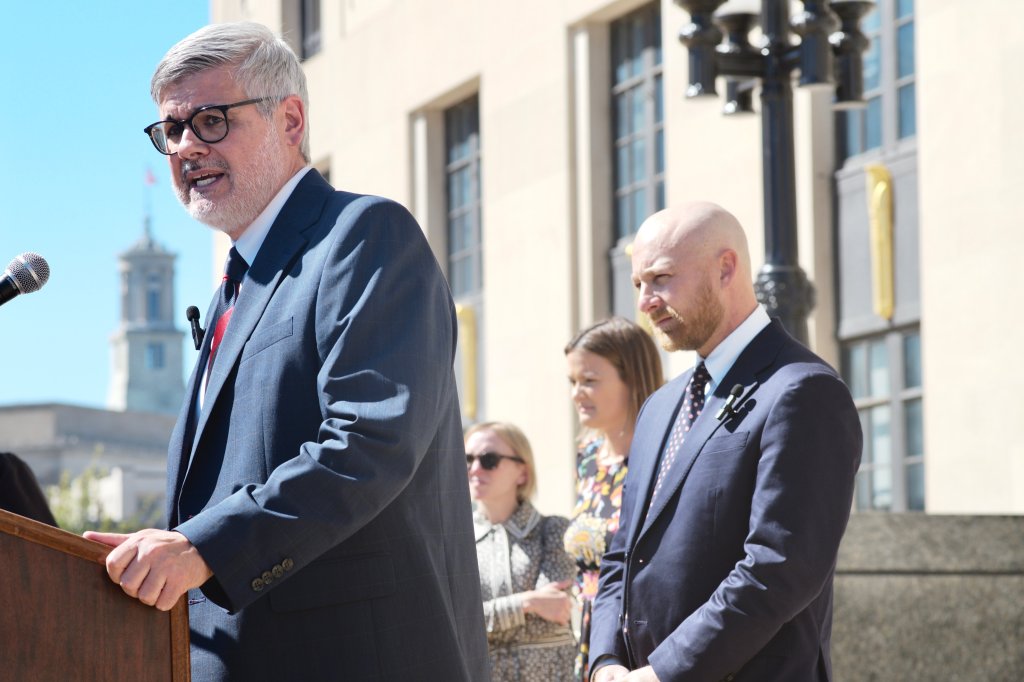
Randy Spivey, her attorney, told reporters Wednesday that Pike, 50, regained consciousness Tuesday at a Nashville hospital following the botched Sept. 30 execution at Riverbend Maximum Security Institution. She had been unconscious and on a ventilator after two doses of pentobarbital failed to kill her.
“Christa was at peace, she helped the execution team find what they thought was venous access,” Spivey said at the press conference. “She was kind and polite as they worked for an hour, stabbing her arm with needle after needle, and then she felt the burn of the pentobarbital.”
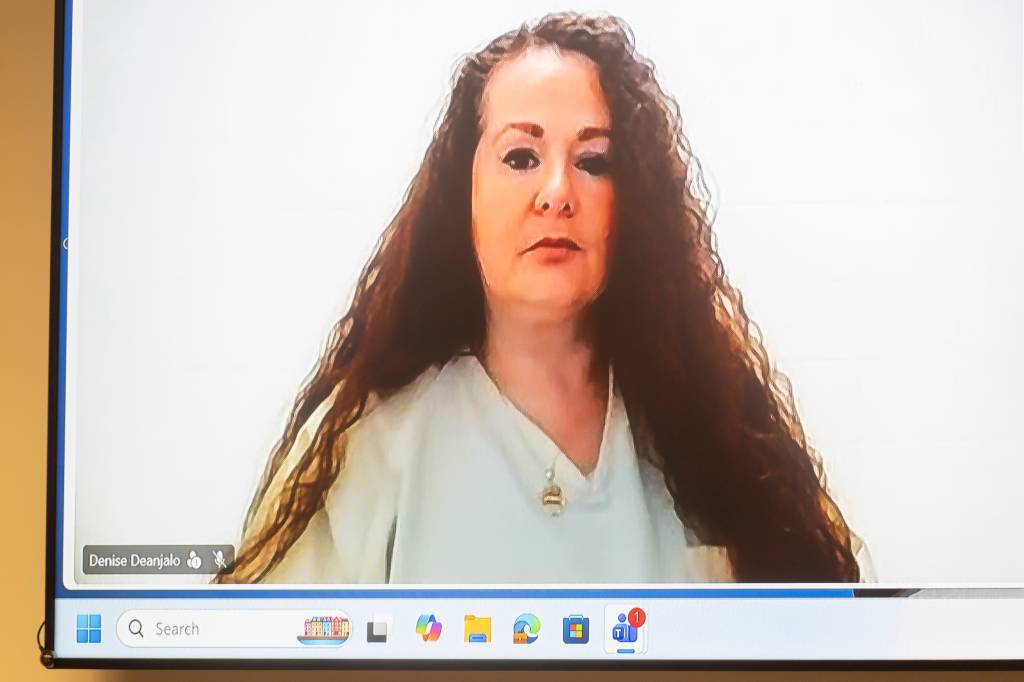
Spivey revealed that Pike had requested an all-female execution team, a wish that was granted before the procedure went wrong. The team struggled for approximately 60 minutes to establish venous access, repeatedly piercing her arm with needles before administering the drug.
Pike’s survival marks an unprecedented failure in American capital punishment history. No death row inmate is believed to have previously lived through a completed lethal injection protocol.
The Tennessee Department of Correction has launched an investigation into what went wrong during the execution attempt. State officials have not publicly disclosed technical details about why the pentobarbital failed to cause death or whether procedural errors contributed to the outcome.
Spivey described his client’s medical condition in the aftermath as grave. Pike developed pneumonia following the failed execution and has lost function in both arms, he said. Her legal team also disclosed that medical personnel had considered taking her off life support before she unexpectedly woke.
The case has drawn renewed attention to Pike’s decades on death row for one of Tennessee’s most notorious crimes. In January 1995, when she was 18, Pike and two accomplices lured 19-year-old Colleen Slemmer, her Job Corps classmate, to a remote spot near the University of Tennessee campus in Knoxville. Pike attacked Slemmer with a box cutter, beat her with a chunk of asphalt, and carved a pentagram into her chest. A piece of asphalt with Slemmer’s blood was found in Pike’s possession when she was arrested.
Pike has now spent more than half her life awaiting execution for the murder. She was 18 at the time of the killing and 50 at the time of the failed execution date.
Her legal team continues to monitor her medical condition as state authorities conduct their review of the botched procedure.