

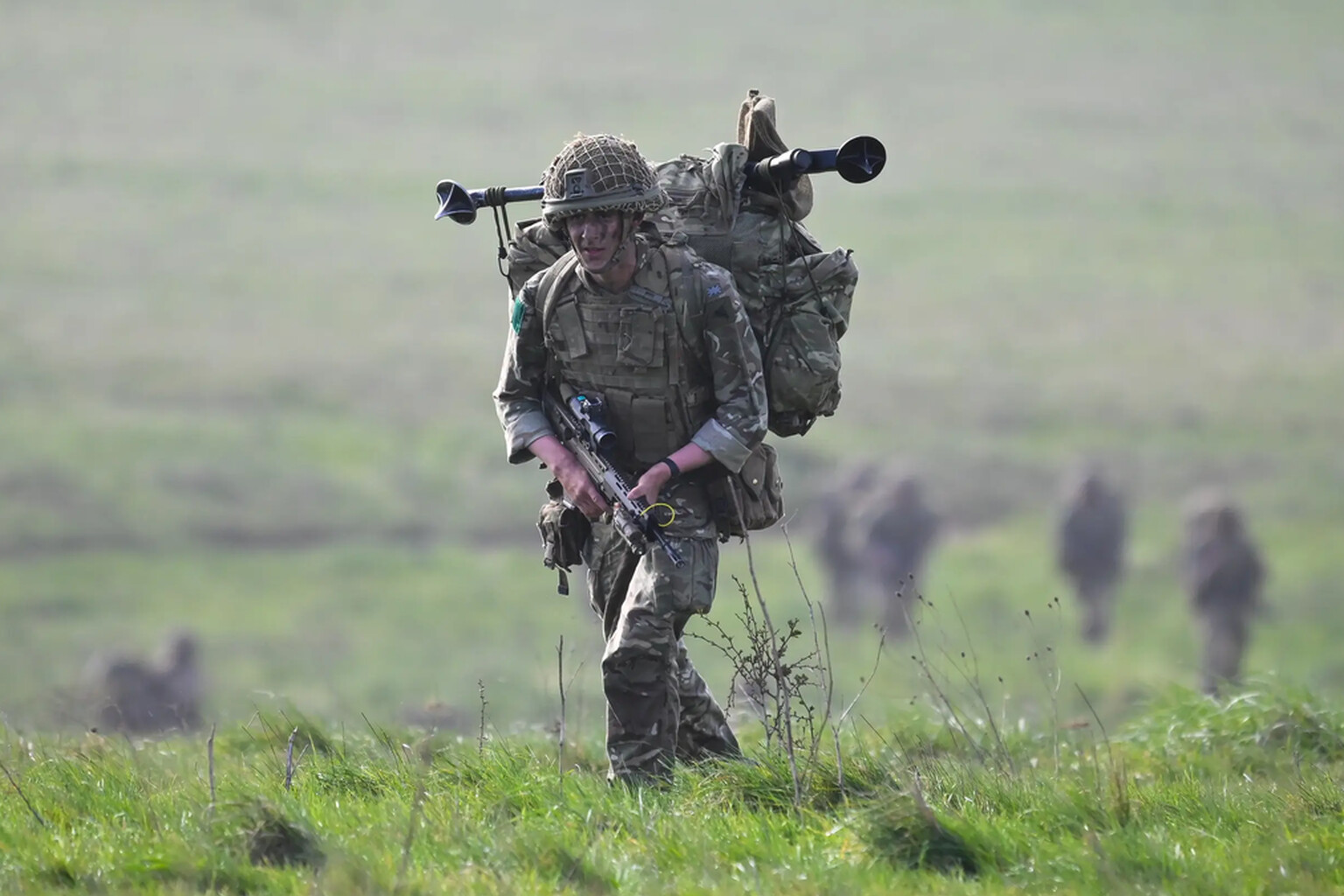
Almost half of Britons say they would refuse to take up arms for the United Kingdom regardless of the circumstances, a new Ipsos survey has found.
The poll of 1,090 adults, conducted between 29 September and 1 October, showed 48 percent of respondents unwilling to fight under any conditions, while just 36 percent said they would go to war for their country. Another 16 percent remained undecided, according to the data released this week.
The findings arrive amid heightened anxiety across Europe about potential Russian aggression, with senior officials and intelligence services warning in recent weeks that Moscow may be planning to test NATO through increased covert attacks or even direct incursion following a string of sabotage incidents. Denmark’s defence intelligence service issued a specific warning that Russia could employ such tactics to fracture the alliance.
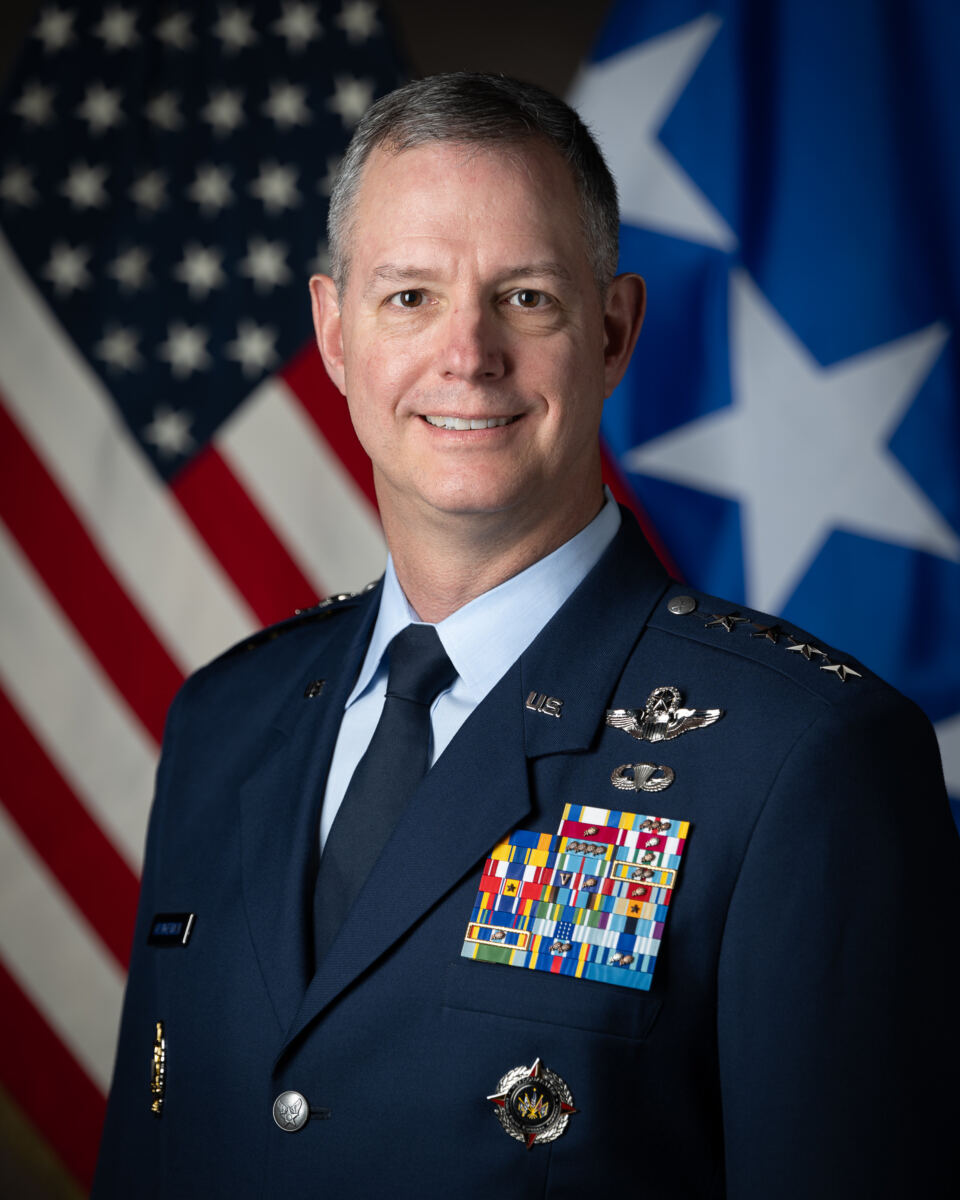
US General Alexus Grynkewich, NATO’s top military commander, addressed these tensions at the Warsaw Security Forum, stating the alliance stands “ready to fight tonight” if attacked. He emphasized that he does not consider conflict imminent or inevitable, but maintained that preparation remains essential.
“My theory of victory is simple,” Grynkewich said. “We will block the initial attack. If the attack persists, we will blunt it and prevent any enemy advance. And if required, we will break the enemy’s forces and the operational war-fighting system arrayed against us.” The general offered no specifics about what kind of attack NATO is preparing for, nor where or with what forces.
The same Ipsos poll revealed a striking contradiction in British public sentiment: while personal willingness to fight lags, appetite for military investment runs strong. More than half of respondents, 51 percent, believe the UK Government should increase defence spending even if that requires raising taxes or cutting other programmes. Only 12 percent favoured reducing the defence budget.
Exactly half of those surveyed also said building a close defence relationship with the European Union should be a priority for Britain.
Caroline Paskell, research director at Ipsos in the UK, said: “Our latest polling underscores the continued public recognition of the demands facing Britain’s Armed Forces, with half of Britons backing an increase in defence spending despite wider economic pressures.”
She continued: “However, the public mood remains finely balanced when faced with the direct trade-offs required to fund this expansion.” Paskell noted that enthusiasm for military investment weakens considerably when funding mechanisms involve personal taxation or cuts to favoured public services.
“The key challenge for ministers will be navigating these competing fiscal priorities,” she added, “communicating clearly how increased security investment can coexist with public service protection and broader economic growth.”
Grynkewich stressed the importance of maintaining open lines of communication to “resolve misunderstandings” as part of preserving peace, even as NATO forces prepare for potential combined land, sea and air operations to stop any Russian territorial seizure and deny Moscow the ability to hold ground.
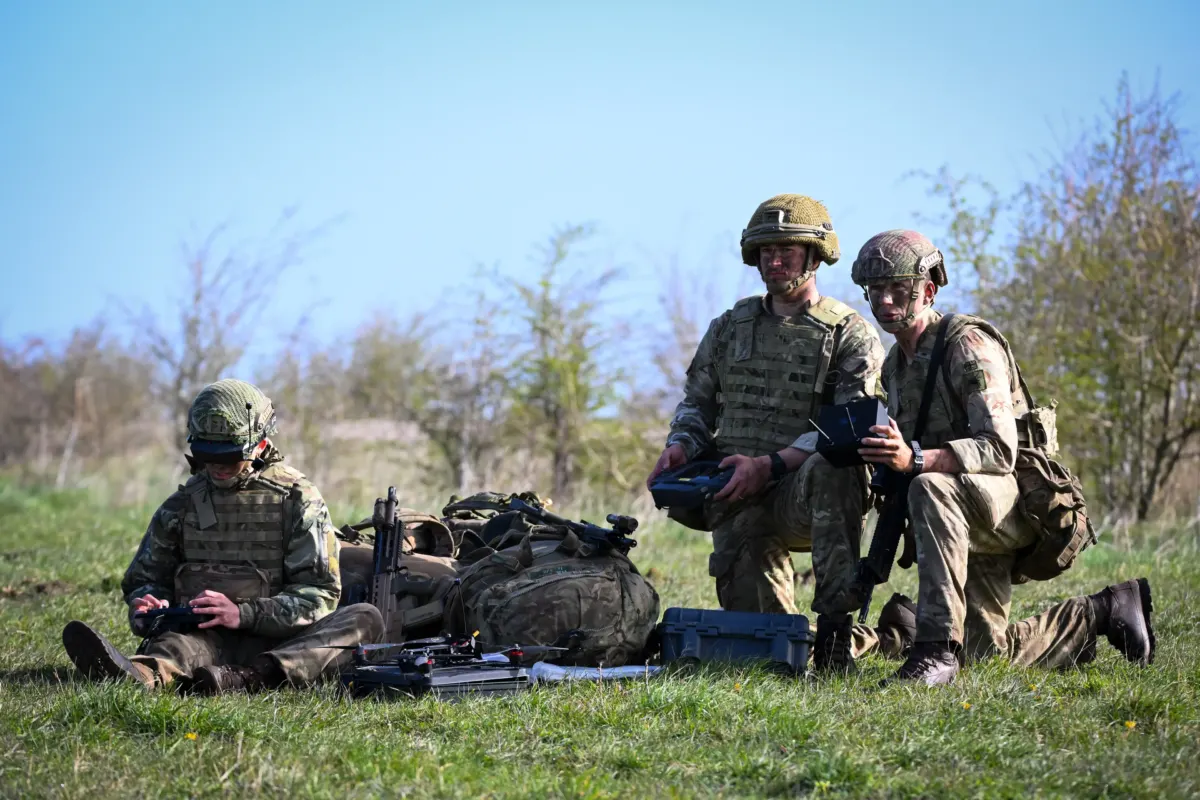
The survey’s timing underscores the growing gap between abstract support for national defence and personal readiness to participate in it, a tension likely to shape British political debate as both major parties confront questions of military funding, conscription, and the country’s role in European security.