

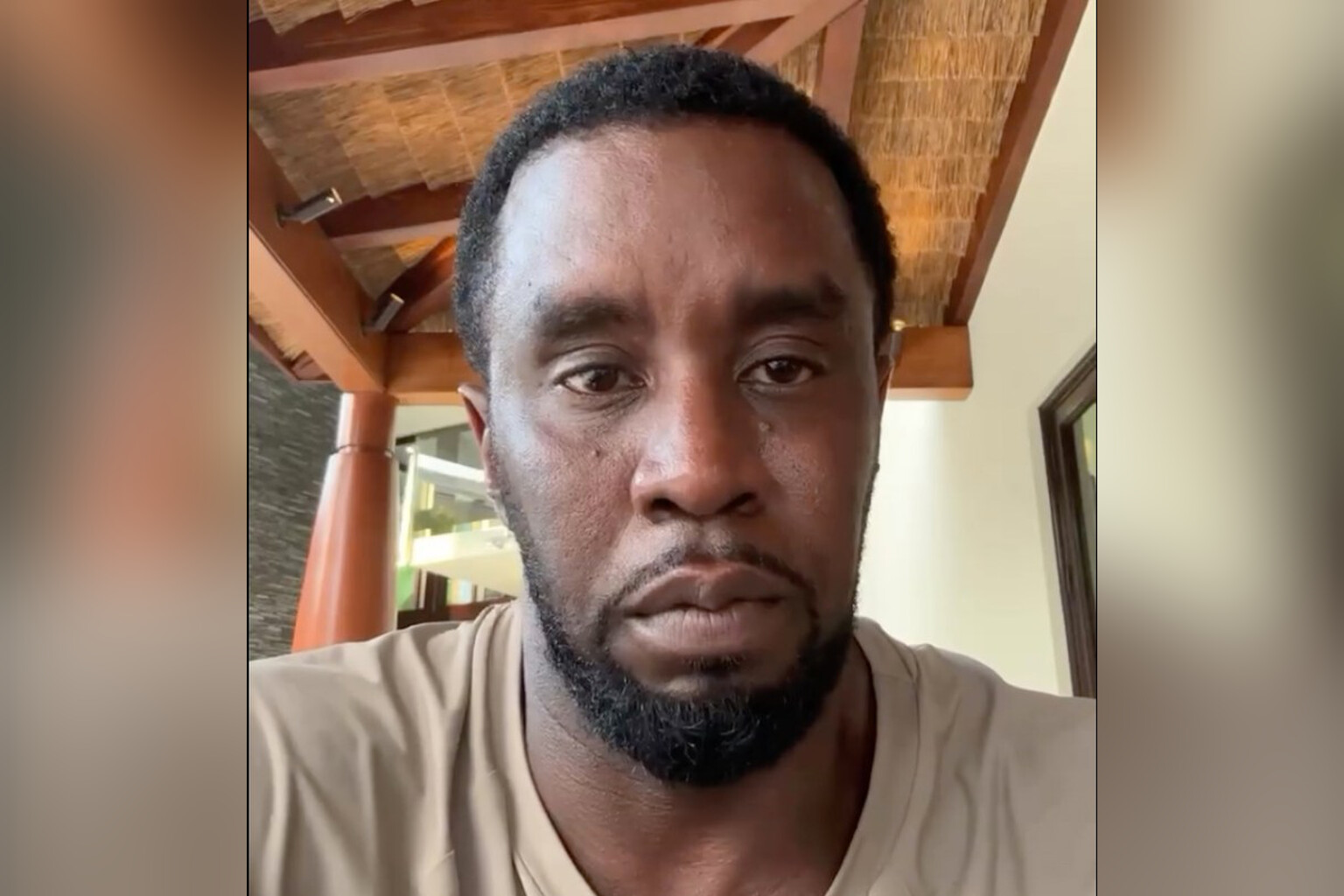
Sean “Diddy” Combs has been moved to a new federal prison in Pennsylvania following a hospital trip for a head injury sustained behind bars in New Jersey.
The 56-year-old music mogul was transferred from FCI Fort Dix in New Jersey to Federal Corrections Institution Allenwood, a low-security facility in central Pennsylvania, reports said Friday. The move came less than a week after he was rushed to a hospital Saturday for treatment of a bloody head wound.
Reports said exclusively Tuesday that Combs struck his head on a bunk bed while housed at the New Jersey prison, resulting in the injury that required outside medical attention. The nature of the wound and any stitches or staples required have not been disclosed by Bureau of Prisons officials.

The transfer places Combs roughly 150 miles west of his previous facility, in a complex that houses male offenders across three separate institutions with varying security levels. Allenwood’s low-security designation typically features dormitory-style housing, less restrictive movement and more programming opportunities than medium or high-security prisons.
Combs has been in federal custody since September 2024 following his arrest on sex trafficking, racketeering and transportation to engage in prostitution charges. He was initially held at the Metropolitan Detention Center in Brooklyn before being moved to Fort Dix, which had become his longest stay at any single facility during his pretrial detention.

The head injury marks at least the second known medical incident involving Combs during his incarceration. His legal team has previously raised concerns about conditions at Brooklyn’s MDC, where he was held in the facility’s notorious special housing unit before that facility’s closure for unrelated reasons.
Federal prison transfers following medical treatment are not uncommon, though the timing of Combs’ move—days after a visible injury and amid ongoing media scrutiny—has drawn attention to whether standard protocols are being followed. The Bureau of Prisons does not typically comment on individual inmate movements or medical matters.
Combs has pleaded not guilty to all charges. His trial is scheduled for May 2025 in federal court in Manhattan, where prosecutors have assembled a case involving multiple accusers and spanning more than a decade of alleged misconduct.
The “I’ll Be Missing You” artist’s legal team has aggressively fought pretrial detention, offering a $50 million bail package secured by his Miami home that was rejected by multiple judges. They have argued that conditions at Brooklyn’s MDC were dangerous and that Combs, as a high-profile detainee, faced unique security risks.
His attorneys have also challenged the government’s evidence as the product of an overbroad investigation targeting a successful Black entrepreneur, while prosecutors have countered that Combs used his wealth and influence to coerce and silence victims.
The Pennsylvania transfer does not appear to alter Combs’ trial timeline, though defense filings have suggested they may seek delays based on the volume of discovery material. Prosecutors have indicated additional charges or defendants could be added to the case.
Combs’ case has drawn sustained media coverage since federal agents raided his Los Angeles and Miami properties in March 2024, seizing electronic devices and other evidence. The investigation expanded following civil lawsuits by multiple plaintiffs alleging sexual assault, abuse and coercion, beginning with a complaint filed by his former girlfriend Casandra “Cassie” Ventura in November 2023.
Ventura’s suit, settled within 24 hours, opened the floodgates to more than a dozen additional civil claims against Combs. Several plaintiffs have since joined as witnesses in the government’s criminal case, which centers on allegations that Combs operated a criminal enterprise using his business empire to facilitate and conceal sexual exploitation.
The head injury and rapid transfer have fueled online speculation about Combs’ treatment in custody, with some supporters claiming special targeting and critics questioning whether he receives preferential access to medical care. Neither his attorneys nor family members have issued public statements about the bunk bed incident or the Pennsylvania move.
Federal records show Allenwood has housed other high-profile inmates, though none with Combs’ level of public recognition during the social media era. The facility’s low-security population typically includes white-collar offenders and those with relatively short sentences remaining.
Combs faces a potential sentence of decades in prison if convicted on the top charges. His trial before Judge Arun Subramanian is set to begin May 5, in Manhattan federal court.