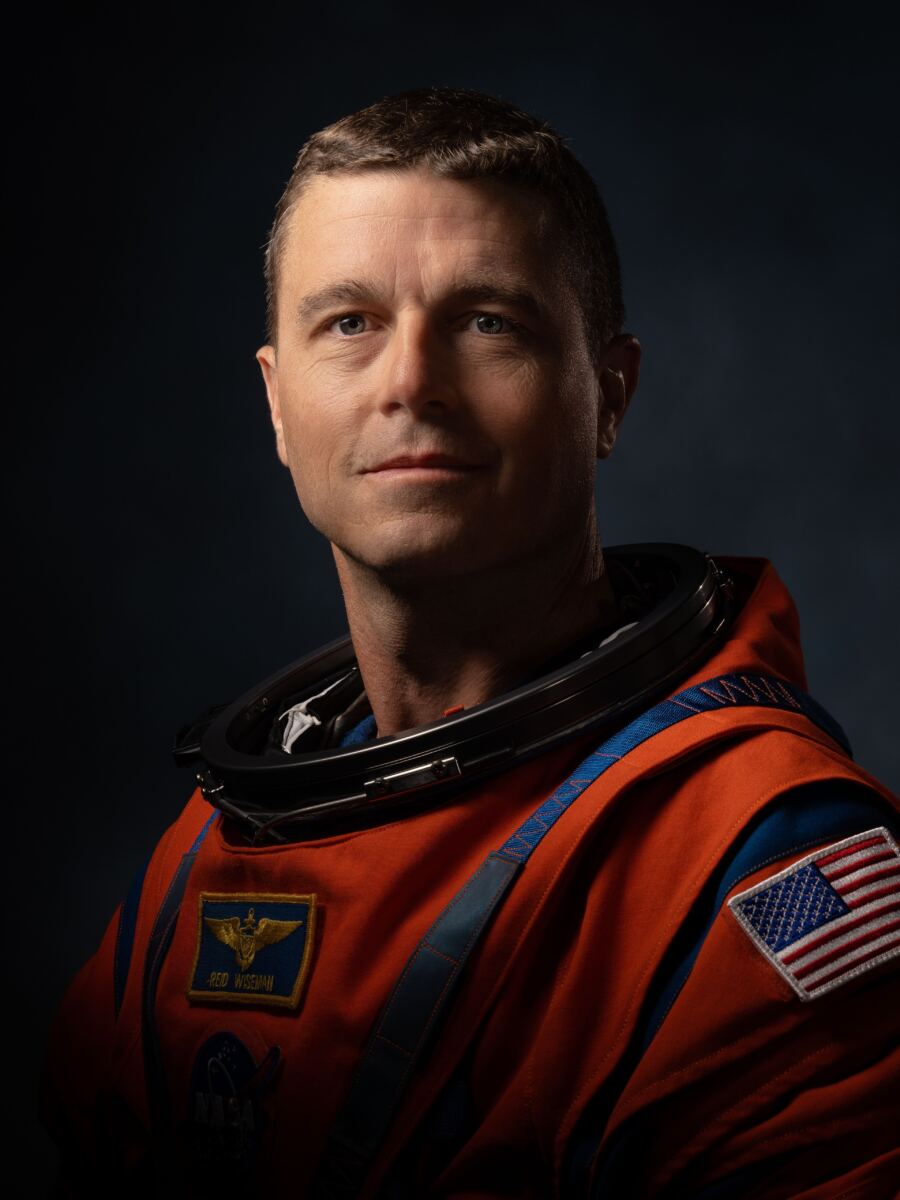
Reid Wiseman has revealed he felt “real fear” his crew would not survive their return after their Orion spacecraft drifted farther from Earth than NASA had promised.
Wiseman, 49, was commander of the Artemis II mission that launched from Kennedy Space Center in Florida on April 1 and splashed down April 10. The flight lasted nine days, one hour and 32 minutes, carrying Wiseman, pilot Victor Glover, 49, mission specialist Christina Koch, 45, and Canadian mission specialist Col. Jeremy Hansen, 49, on the first crewed lunar flyby in more than 50 years. NASA billed the journey as a critical step toward returning humans to the Moon’s surface by 2028 and eventual Mars missions.
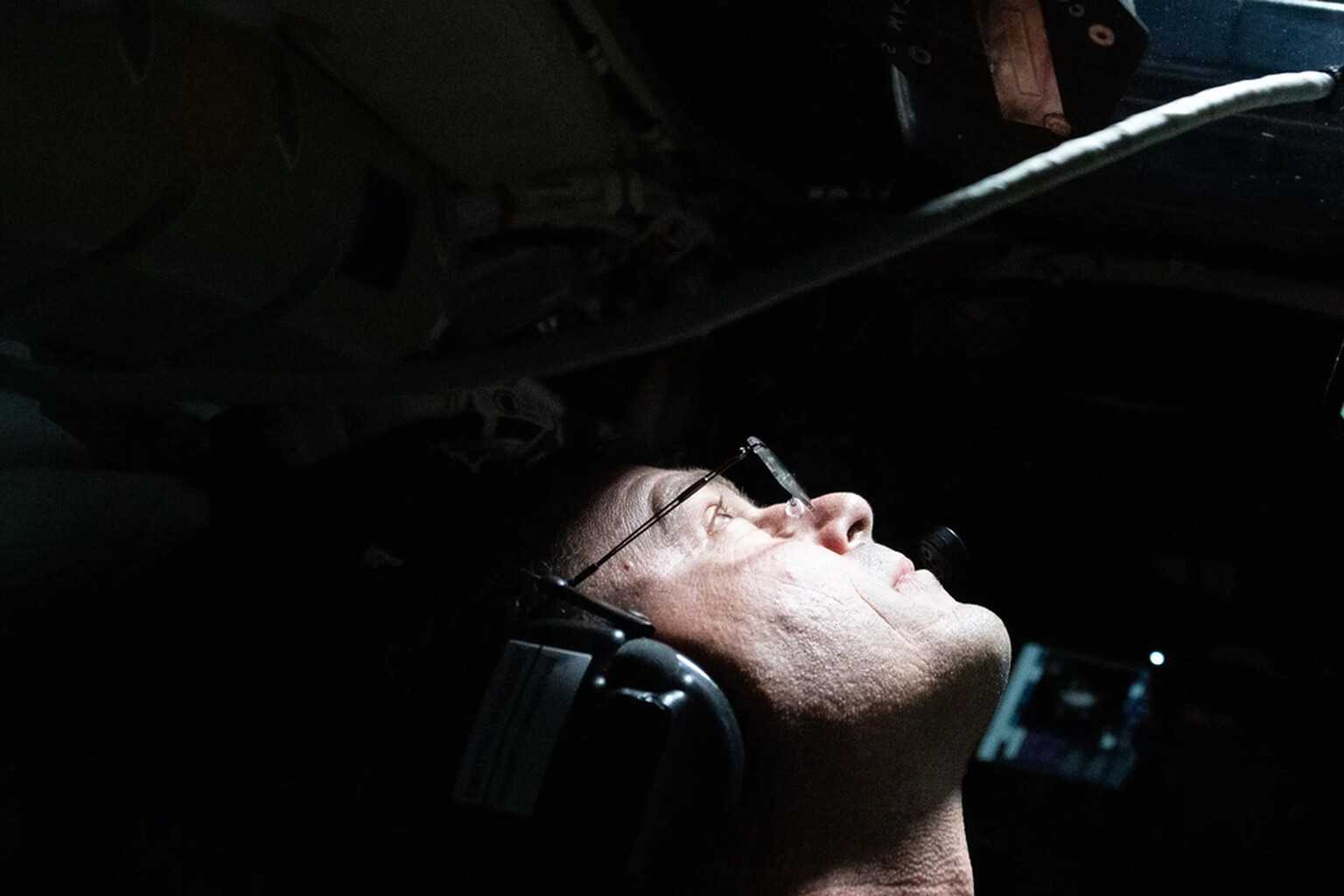
The crew had been told their maximum distance from Earth would be 219,667 nautical miles, a figure meant to mark the farthest any humans had ever traveled. Wiseman watched the readout closely as Orion passed behind the Moon, expecting the number to tick down once it peaked. Instead, it kept climbing.
“Mission control in Houston had told us our maximum distance, the furthest we were supposed to be from Earth, was 219,667,” Wiseman told the Starmus Festival in Tenerife, as quoted by The Telegraph. “I was watching this number, and I saw it hit 219,667, and I thought, ‘great, this is the farthest we will be from Earth, and the next number I will see will be 219,666, we’ll be going home’, but about three minutes later, I saw 219,668. It went up.”
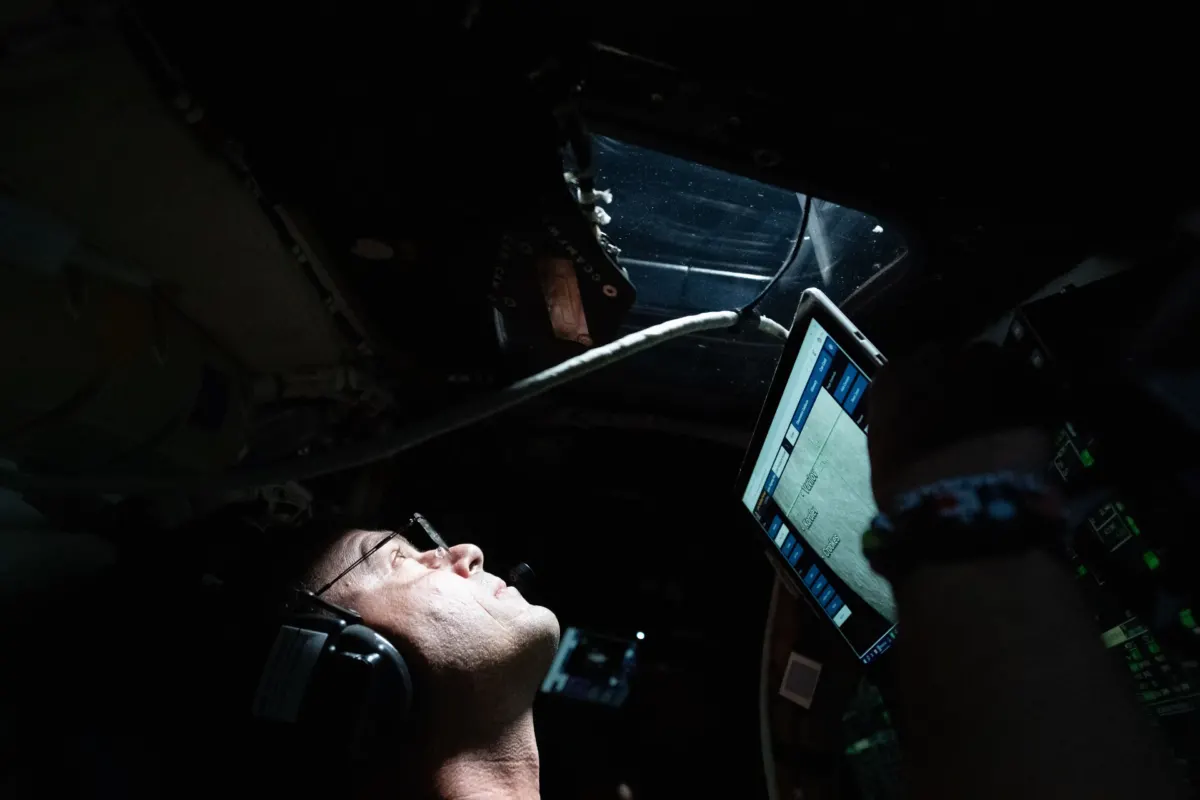
The counter reached 219,669 while the spacecraft remained over the Moon’s dark side, cut off from direct Earth communication. Wiseman recalled feeling “real fear” that the craft had “gone too far” and that some technical failure would prevent their return. Three minutes passed before the distance finally began decreasing.
Hansen said the entire crew had confronted this possibility before launch, discussing during pre-flight preparations what it would mean to sit alive in the spacecraft knowing they might never reach home again. He said they found “a peace” at that prospect.
“Not because we’re brave, it’s not bravado, it’s because we had an acceptance of whatever came, we would do the best, or our time would end,” Hansen added.
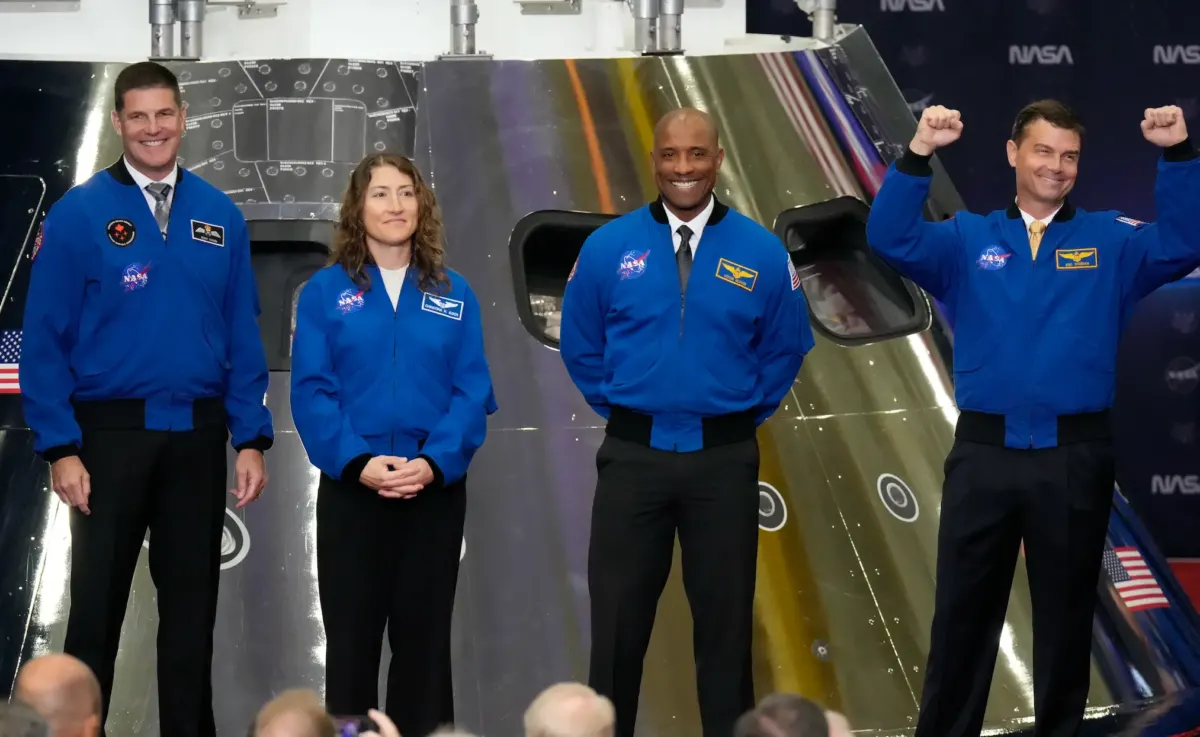
The mission plan called for the crew to travel 219,667 nautical miles from Earth to test systems NASA intends to use for future lunar landings. The April flight marked the first crewed Artemis mission and the first human voyage beyond low-Earth orbit since the final Apollo mission in 1972. Orion carried the astronauts around the Moon and back without entering lunar orbit, a profile designed to validate the spacecraft’s life support and propulsion systems under actual flight conditions.
After re-entry and splashdown, recovery teams brought the crew aboard the USS Martha. Wiseman said he immediately sought out the ship’s chaplain and broke down in tears, unable to articulate what the journey had meant.
“There was just nothing I could even say to him, the English language does not have the words for what we experienced, and he understood,” Wiseman said.