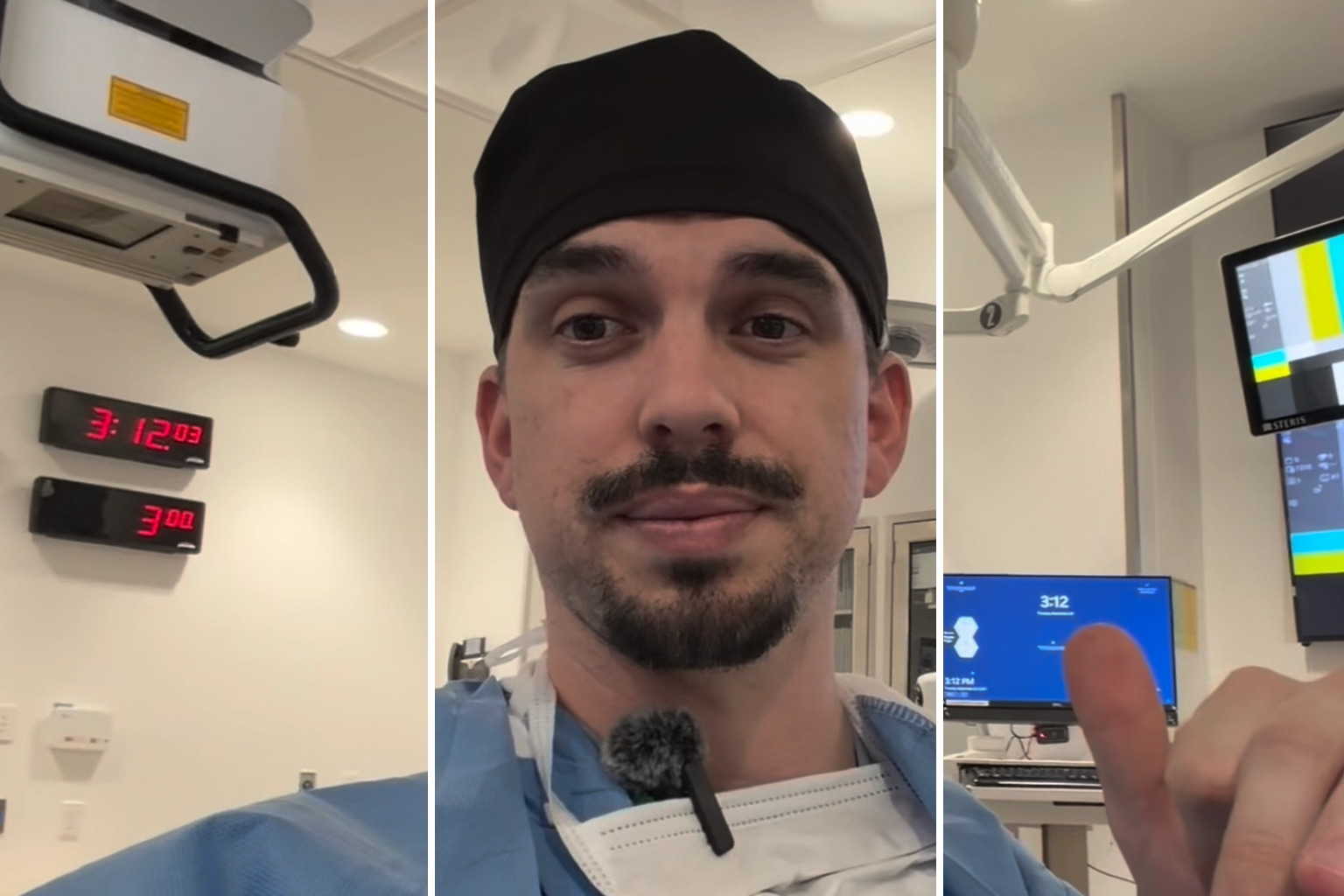
Dr. Ty Rogers, an anesthesiologist, has broken down the science behind surgical sedation in a YouTube video that details how medical teams keep patients unconscious during operations.
The sleep induced by general anesthesia differs fundamentally from natural sleep, producing entirely different brain waves even when patients later describe it as the best rest they have ever experienced. To prevent the nightmare scenario of waking mid-procedure, doctors rely on multiple monitoring systems rather than a single metric.

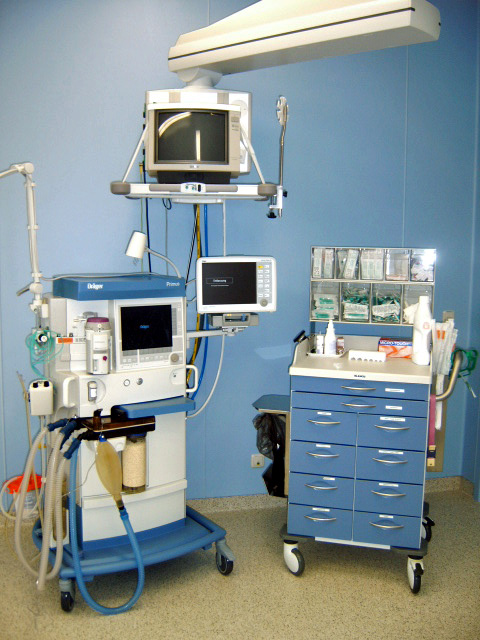
The primary measurement is MAC, or minimum alveolar concentration, which tracks how much inhaled anesthetic is present in a patient’s lungs. This gas concentration serves as a reliable indicator of how much anesthetic has reached the brain. During standard procedures, medical teams target a MAC of one, a level where half of all patients will not respond to surgical stimulus. To push that safety margin to 95 percent, the dial gets turned to 1.2.
“From an anesthesia perspective, a MAC of one probably sounds like the most important thing,” Rogers said. “We don’t want our patients moving or being aware during surgery.”
Yet Rogers emphasized that the numbers tell only part of the story. Other MAC thresholds carry their own clinical significance: a MAC of 0.2 to 0.3 falls into the zone Rogers called “MAC aware,” where roughly half of people might still respond to external stimuli. At 0.5, patients enter “MAC amnesia,” where explicit memory formation shuts down for about half of those under sedation. Cranking to 1.6 will suppress autonomic responses entirely, though Rogers noted this can potentially destabilize a patient.
“There’s many things we actually consider when you’re asleep. We don’t just only look at Mac,” Rogers continued. “We look at the whole picture. We look at your vital signs. We look at you, see if you’re moving.”
Rogers added that the team watches for specific warning signals: “We want to see if your blood pressure is too high or if you’re tacocartic – and that might be a sign we need to increase our anesthetic depth.”
Those vital sign spikes can indicate insufficient sedation, though Rogers pointed out they may also stem from pain, blood loss, or other medications administered during surgery. The clinical picture demands constant interpretation.
Not every patient receives inhaled gases such as Sevoflurane or Desflurane. Some instead receive total intravenous anesthesia, delivered directly through the veins. In these cases, lung concentration readings become useless for tracking sedation depth.
For these patients, medical teams deploy a Bispectral Index monitor, essentially an electroencephalogram that attaches to the forehead to measure brain activity directly. This EEG-based tool helps clinicians estimate the level of hypnosis and verify that patients remain insensate to pain.
The layered approach reflects a fundamental reality of surgical medicine: unconsciousness is not a single switch to be flipped but a dynamic state requiring continuous, multi-channel assessment. Rogers’s explanation underscores why anesthesiology remains a distinct medical specialty with its own rigorous training, rather than a simple matter of counting backward from ten.