

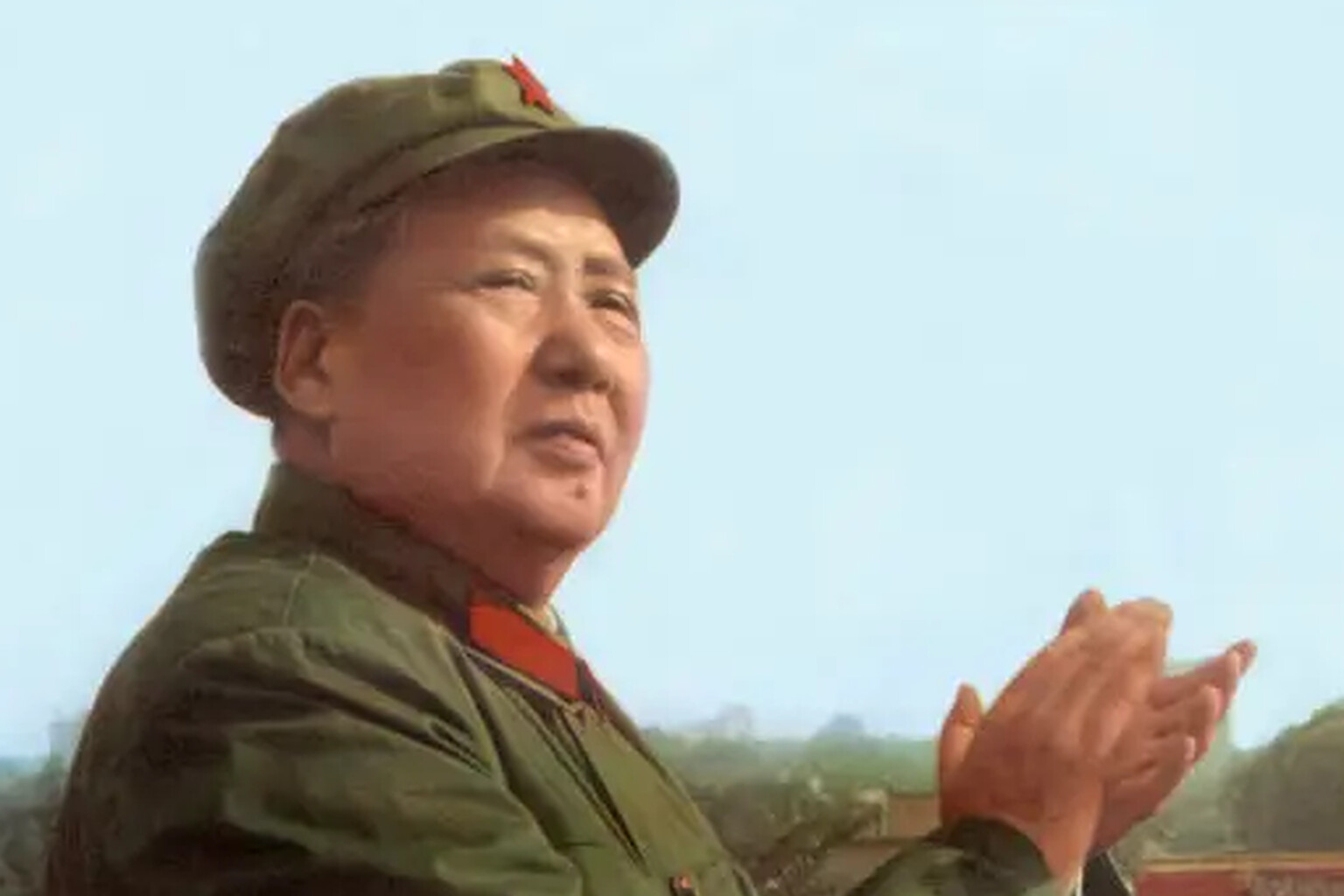
Grok’s ranking of history’s deadliest figures has left X users stunned after Adolf Hitler failed to crack the top three.
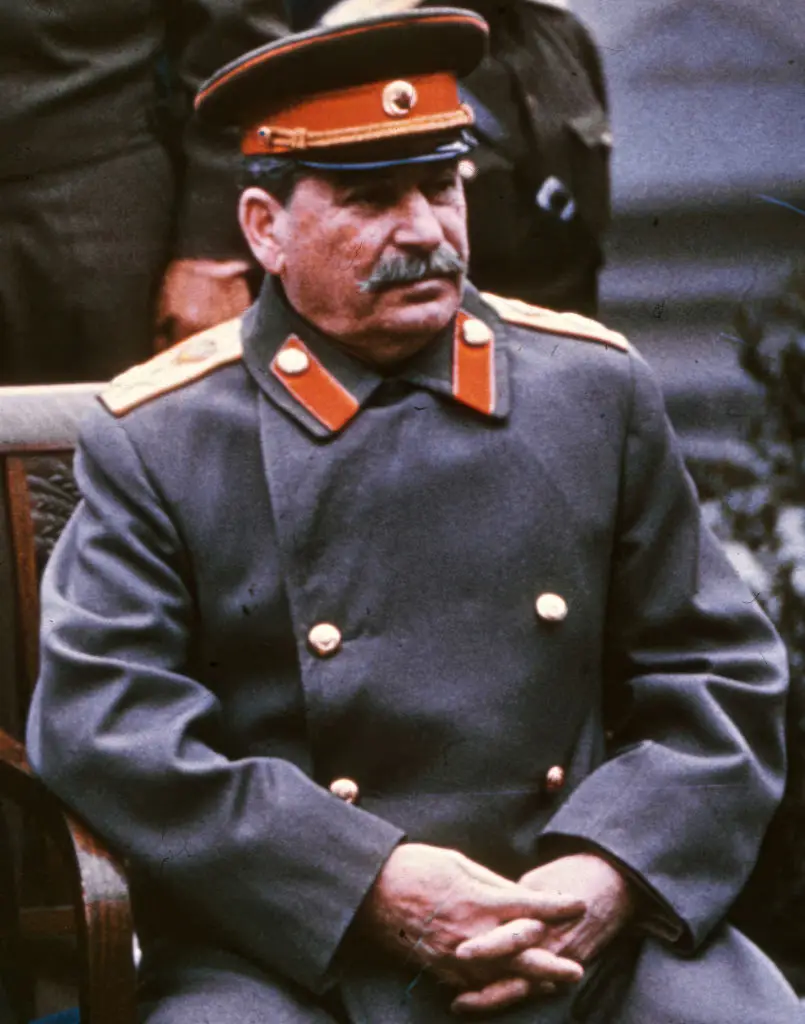
The exchange started when an X user queried Elon Musk’s Grok chatbot on who has killed the most people in the world, then pressed for a top-three list. Grok, 3, cautioned that estimates “vary widely by source and method” before delivering its answer. Mao Zedong landed in first place with 40 to 70 million deaths tied to the Great Leap Forward famine, purges and the Cultural Revolution. Genghis Khan followed with 20 to 40 million from Mongol conquests and related depopulation, while Joseph Stalin took third with 15 to 20 million-plus linked to famines, Gulags and purges.
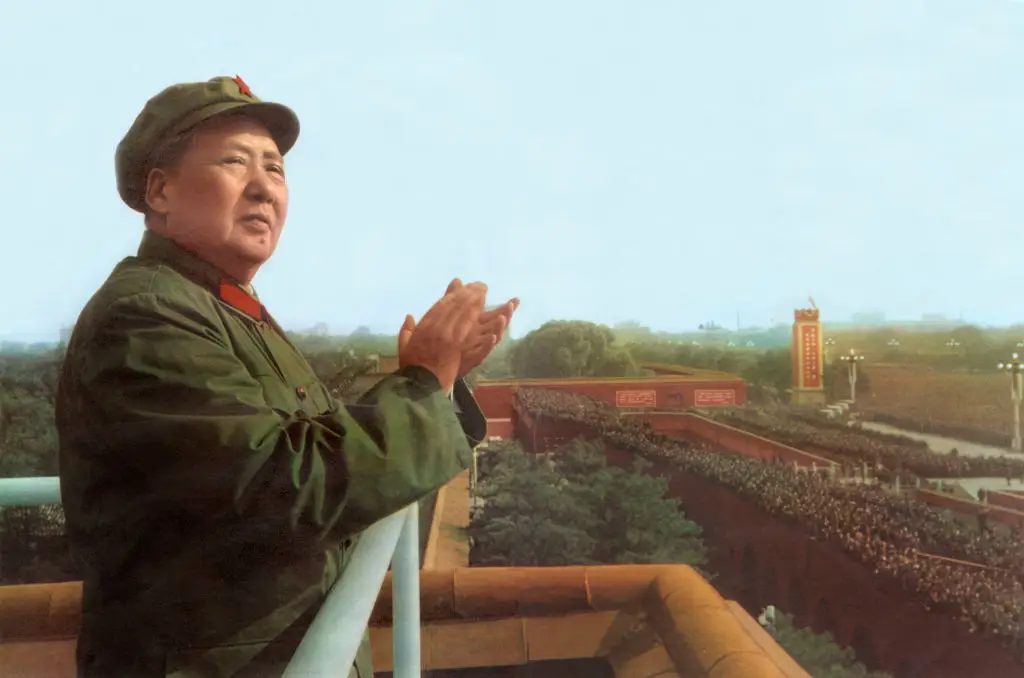
The chatbot added a notable footnote: “Hitler ranks close behind at 11-17 million deliberate noncombatant deaths.” That placement triggered an avalanche of replies from users who expected the Nazi leader to appear higher. ChatGPT, when asked the same question, offered a different framing that placed greater emphasis on Hitler’s atrocities. ChatGPT stated that Adolf Hitler and the Nazi regime were responsible for the systematic murder of approximately 6 million Jewish People, alongside an estimated 11 million to 17 million-plus total victims of mass atrocities, forced labor and genocide between 1933 and 1945.
A separate longer top-ten list generated by AI shuffled the rankings dramatically and inflated several death tolls. That version kept Mao first with 40 to 78 million deaths, but bumped Genghis Khan to a tie at roughly 40 million and elevated Hitler to third with 17 to 30 million direct victims and 50 to 80 million when total World War II deaths were counted. Stalin fell to fourth with 20 to 40 million.
The remainder of that alternate list included Timur (Tamerlane) with 17 million, Hong Xiuquan with 20 to 30 million for the Taiping Rebellion, King Leopold II with 10 to 15 million in the Congo Free State, Chiang Kai-shek with 10 million, Vladimir Lenin with 5 to 10 million and Hideki Tojo with 4 to 5 million.
Individual rulers represent only one lens for measuring historical carnage, and several of the worst atrocities stand as discrete events rather than reigns. The Armenian Genocide, between 1915 and 1923, saw the Ottoman Empire deport, starve and massacre an estimated 1.5 million Armenians. Under Pol Pot, the Khmer Rouge executed, starved and worked to death an estimated 1.7 to 2 million people between 1975 and 1979, roughly a quarter of Cambodia’s population.
In Rwanda in 1994, extremist Hutu militia and government forces killed an estimated 800,000 to 1 million Tutsis and moderate Hutus in roughly 100 days. During the Bosnian Genocide of 1992 to 1995, Bosnian Serb forces carried out ethnic cleansing and mass executions. That included the 1995 Srebrenica massacre, in which over 8,000 Bosnian Muslim men and boys were killed.

The viral Grok exchange highlights how AI chatbots are increasingly becoming arbiters of historical interpretation, with their outputs sparking real-time public reaction. The discrepancy between Grok’s conservative Hitler tally and the expanded World War II casualty figures in other AI-generated lists underscores the volatility of historical death estimates, which shift based on whether direct state killings, war fatalities, famine deaths or broader conflict casualties are counted.
Social media users’ fixation on Hitler’s ranking also reveals how present-day moral frameworks collide with quantitative historical analysis. Grok’s methodology appeared to prioritize documented democides and state-engineered catastrophes over war deaths, a methodological choice that placed Mao’s domestic policies above Hitler’s combined genocide and military aggression.
ChatGPT’s more expansive framing of Hitler’s toll, including forced labor and genocide victims, demonstrated how even slight definitional variations produce radically different historical portraits when filtered through AI systems. Neither chatbot disclosed its full sourcing or methodological criteria in the exchanges that circulated online.
The Grok thread joins a growing corpus of viral moments where AI responses to charged historical questions generate controversy, engagement and confusion in equal measure. Users encountering these rankings often treat them as authoritative while overlooking the estimation caveats the chatbots themselves include.
X’s platform dynamics amplified the surprise, with reply threads filling with users debating whether famine deaths under Mao should count equivalently to Hitler’s industrialized genocide, or whether Grok’s exclusion of total war dead from Hitler’s tally represented a meaningful analytical choice or a glaring omission.