

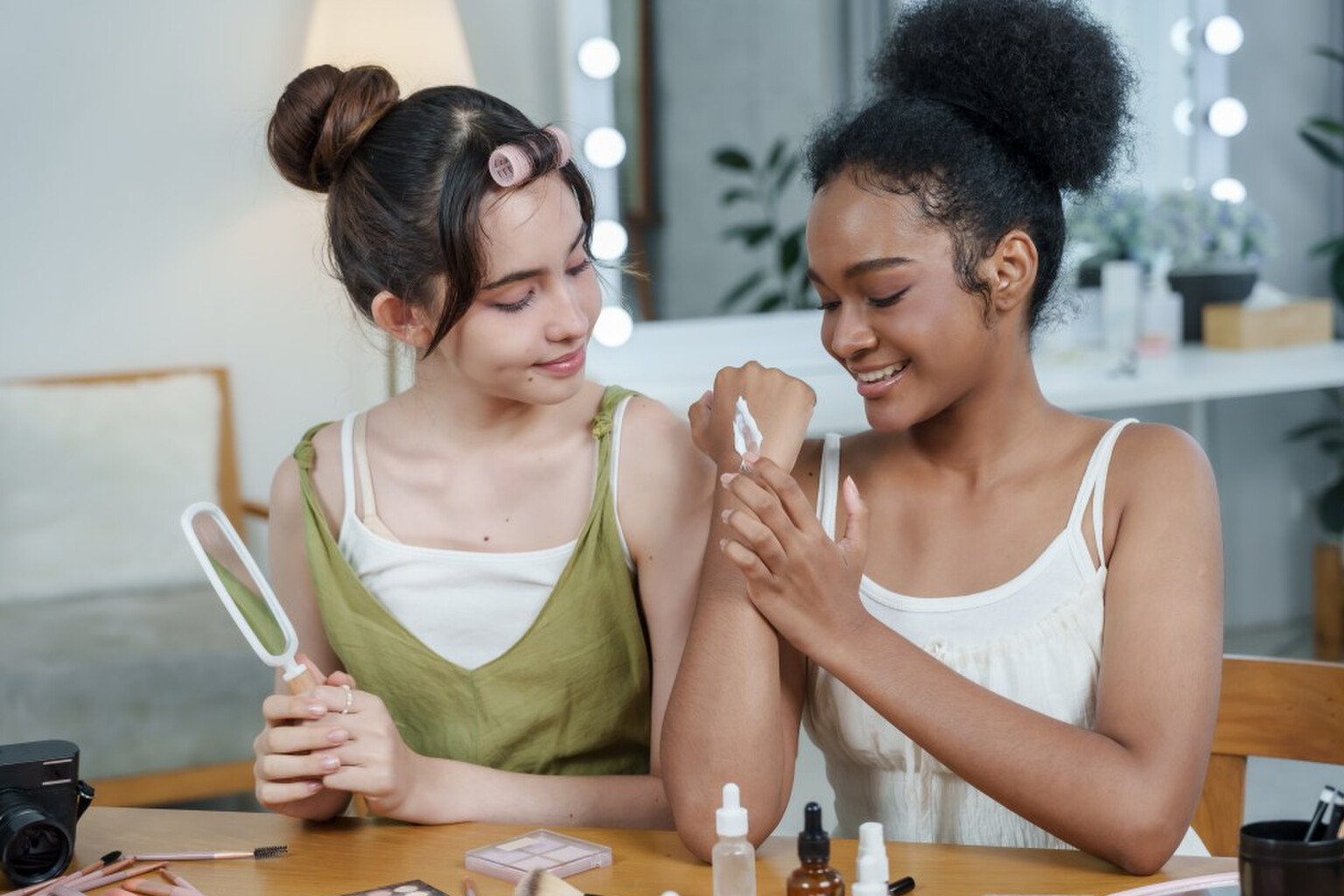
A leading dermatologist is warning that teenagers’ elaborate skin care routines are triggering lifelong allergic reactions.
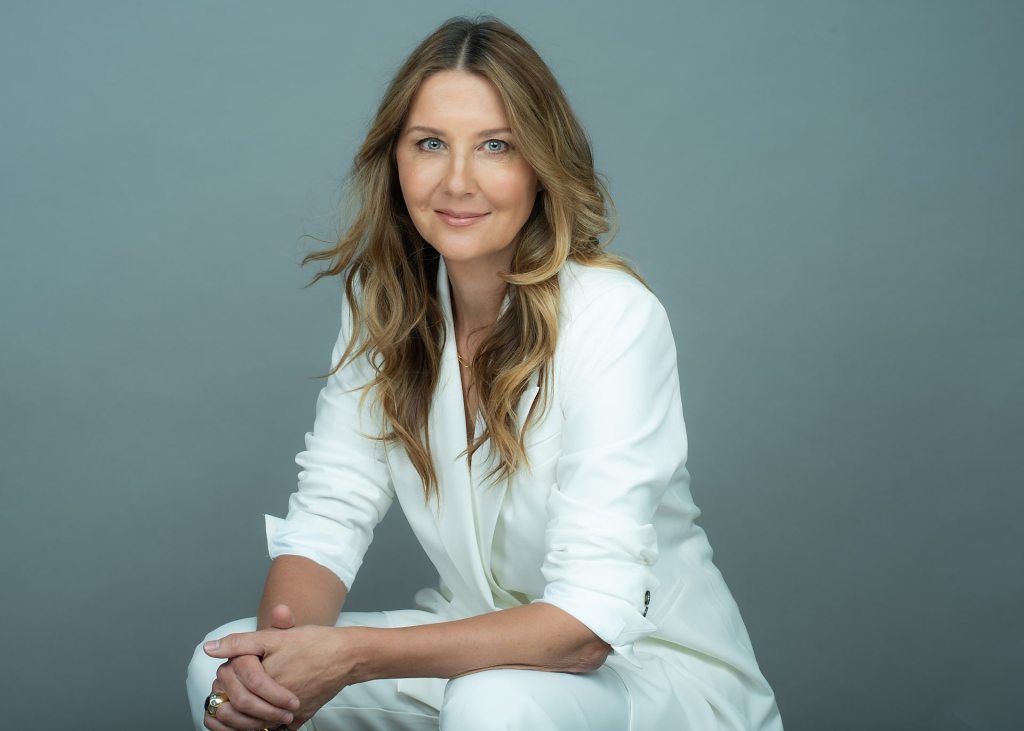
Dr. Sandy Skotnicki, author of “Beyond Soap” and co-host of the “Skin to It” podcast, told The Post that adolescents are “developing lifelong contact allergies to things like fragrances, which will impact their use of personal care products for the rest of their lives.” The Toronto-based specialist has watched the trend accelerate as social media drives younger and younger users toward multi-step regimens.
The damage starts with the skin barrier itself. “The skin barrier has a job to do — keep moisture in and irritants out,” Skotnicki said. “When you bombard it with too many ingredients, you break it down — and once it’s compromised, you open the door to redness, burning, itching, breakouts, even long-term sensitivity.”
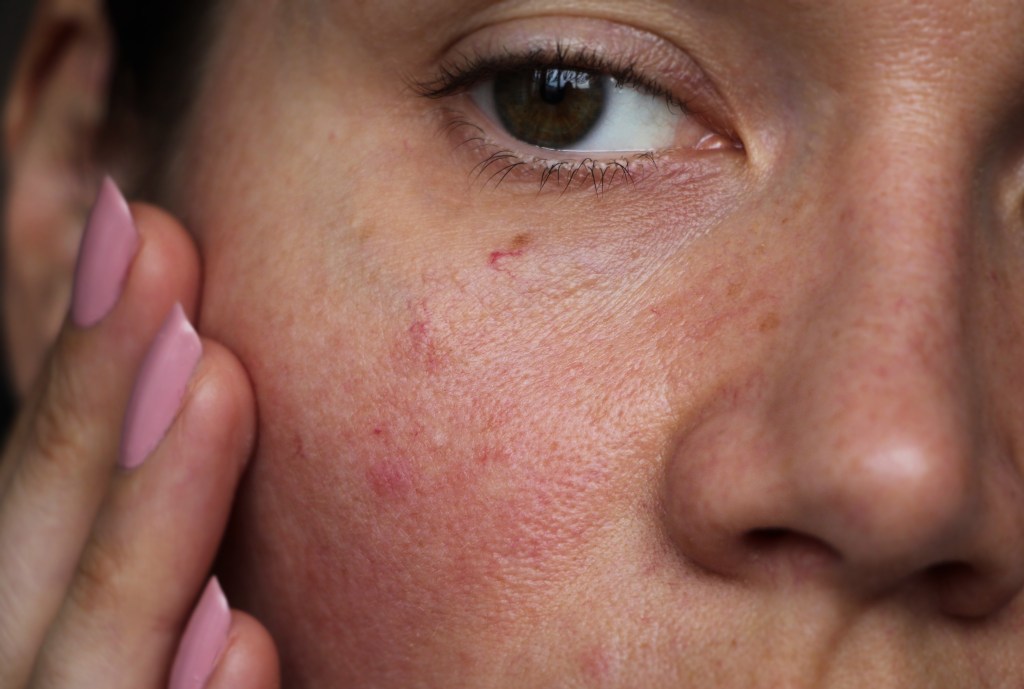
Teenagers face heightened risk because their skin is already more delicate and sensitive than adult skin. The problem compounds when young users stack product after product, each loaded with dozens of compounds. Skotnicki laid out the arithmetic: a typical routine might expose already-irritated skin to 300 or more ingredients daily.
“Then [they’re] exposing this compromised skin barrier to another 10 products each having 30+ ingredients,” she said. “The math? 300+ ingredients the skin must deal with over a compromised skin barrier.”
A study published in the journal Pediatrics examined teenagers’ skin care routines on TikTok and found that teens using multiple products experienced higher rates of irritation and allergic contact dermatitis. The research underscored what Skotnicki has observed in her own practice.
“I had a teen ask me during an acne consult if she could still use her niacinamide, retinol, eye bamboo masks and skin primer under her foundation — she was 15,” Skotnicki added.
The consequences extend far beyond temporary redness. Once the barrier is breached, ingredients penetrate deeper than intended.
“Some of the 300 ingredients you put on your skin every day can pass through to the deeper layers of the skin,” Skotnicki said. “You can sensitize yourself and then are forever allergic to that ingredient.”
Among the hundreds of potential triggers, one category stands apart. “The No. 1 culprit is fragrance in all forms — natural, synthetic and those in essential oils,” Skotnicki said. “Once allergic, you can react to many fragrances not just on the skin but in the air. It is life changing.”
Skotnicki uses a construction metaphor to explain how the damage occurs. “It’s useful to think of the skin barrier like a brick wall,” she explained. “The bricks are the skin cells and the mortar are the natural lipids — water, detergent or cleansing, [and] exfoliation decrease the mortar and make the skin barrier ‘leaky’ or compromised.”
Exfoliants like AHA and retinol — staples of many viral routines — actively strip away that protective mortar. The resulting vulnerability leaves young users primed for reactions that can persist for decades.
Despite the risks, Skotnicki does not advocate stripping all enjoyment from skin care. “The layering and use of eye masks, etc., is about self care,” she said. “Ten steps in the shower — I think this was called ‘the everything shower’ on TikTok — is not overly helpful for the skin, but amazing for your mental health.”
Her compromise approach allows experimentation within guardrails. “Keep your basics simple,” she tells resistant young patients. “Then add a few products to have fun with. Try them on at a time over a full week to make sure they play nice with your other products. Also consider cycling them.”
For a sustainable foundation, she recommends stripping back to three essentials. “All you need is a basic cleanser, sunscreen and a moisturizer,” she advised. “If you poll most dermatologists, that’s all they use.”