

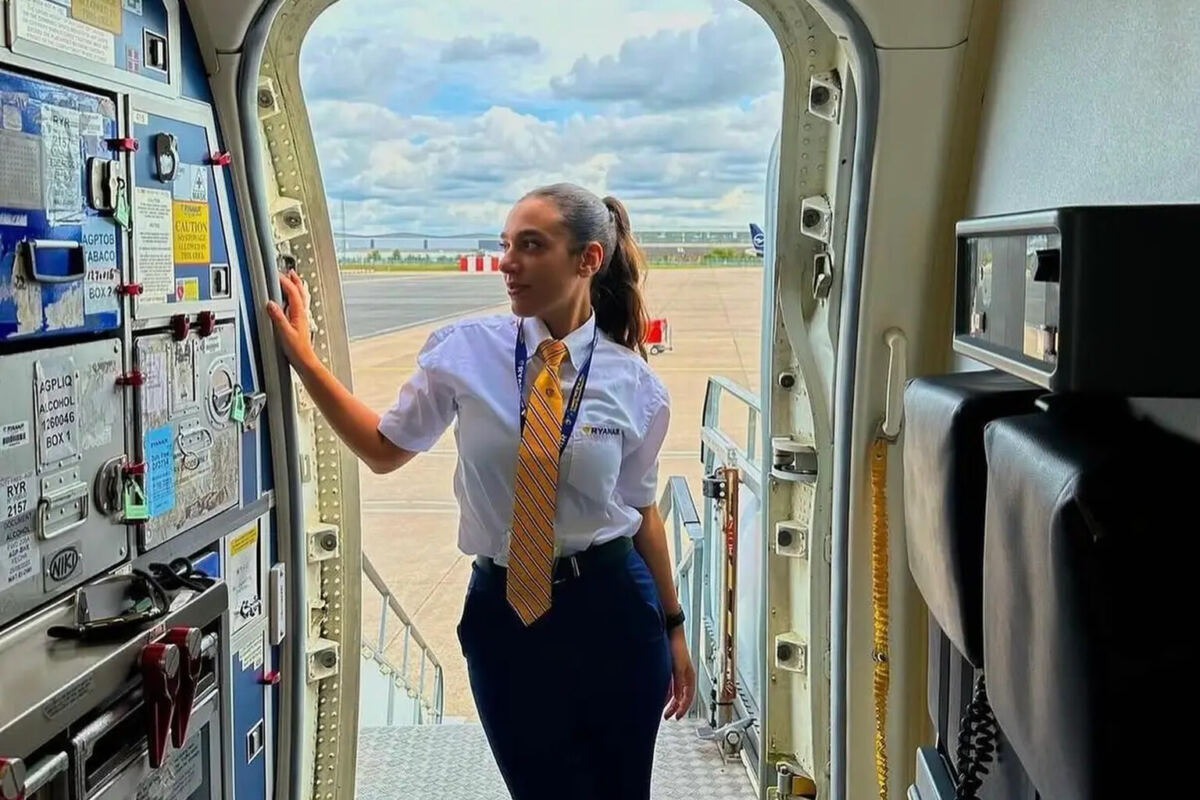
A flight attendant has debunked the myth that airplane air conditioning makes travelers sick and revealed the real culprits behind post-flight illness.
Naomi Rotolo, a crew member at budget carrier Ryanair, told SlotsLV that passengers who switch off their overhead vents are making a mistake that leaves them vulnerable to germs. She urged flyers to keep a steady stream of air flowing around their seats throughout every flight.
“Passengers should always use the air vent above them to keep a gentle flow of air around them,” she said.
“The gentle flow of air helps weaken germs and dust particles that might be in your personal space. Although planes are notoriously cold, this isn’t what makes passengers ill; it is the germs that linger in stagnant air.”
Rotolo dismissed the common complaint that frigid cabin temperatures cause sniffles and sore throats. She explained that the chill passengers feel is actually working in their favor.
“Air con making you unwell is a total myth,” she wrote. “Yes, it can leave your nose and mouth feeling dry, but it actually creates an air curtain that blows germs away from your personal space.”
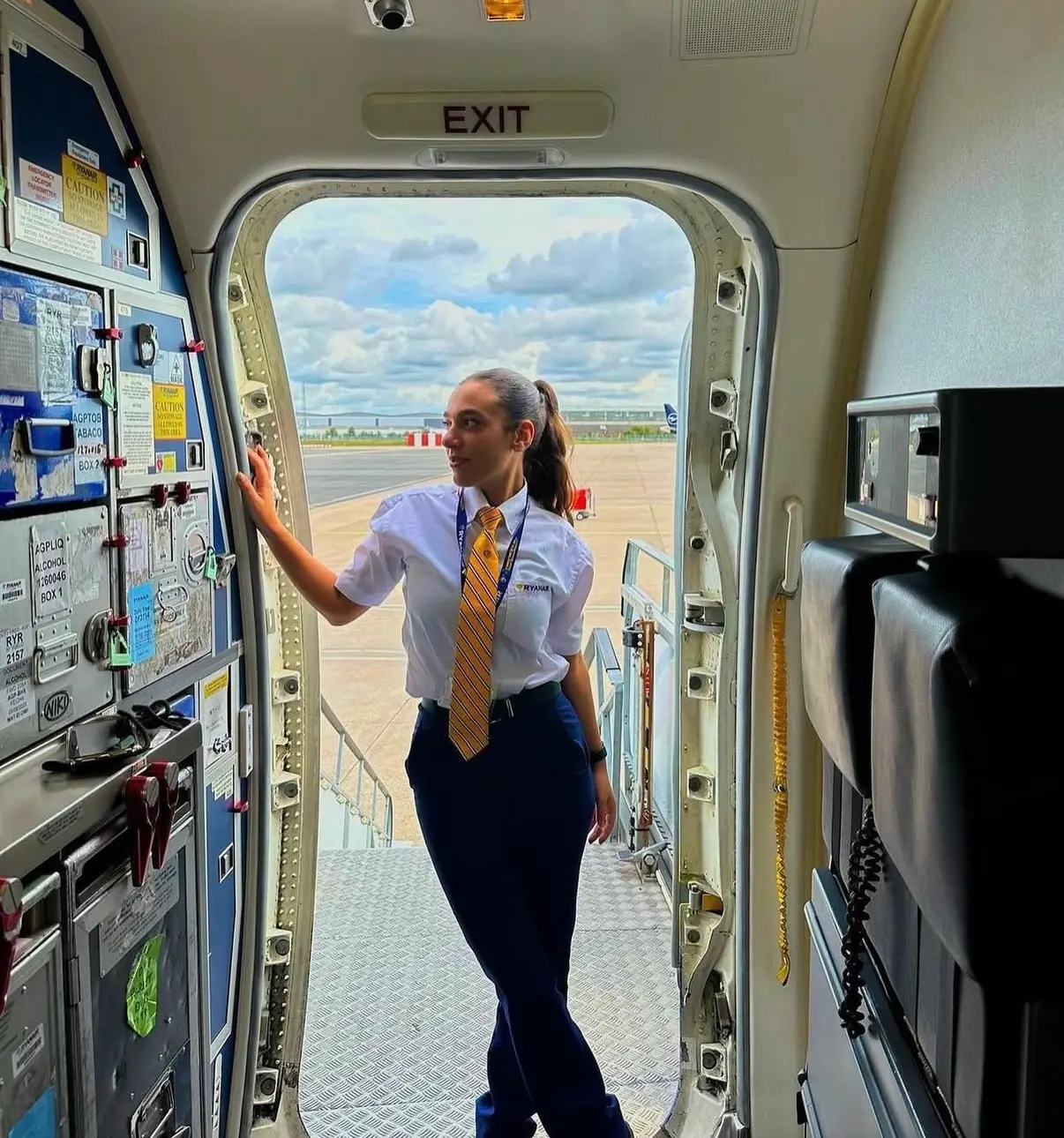
The crew member offered three practical hygiene measures she said every traveler should adopt. Her warnings focused on surfaces and behaviors most passengers rarely consider risky.
Touching the aircraft floor topped her list of habits to break. Rotolo described the lavatory floor as particularly hazardous, noting that moisture there is rarely just water. She tied the warning to both health and operational safety.
“Put your shoes back on before going to the toilet: the floor there is often wet, and trust me, it’s not water,” she said.
“It’s a safety thing too, because if there’s sudden turbulence or we need to move quickly, you don’t want to be barefoot.”
Rotolo extended the floor warning to personal items. She recommended stowing bags and belongings in overhead compartments rather than letting them rest near passengers’ feet.
“I’d also recommend keeping your belongings off the floor, use the overhead lockers as much as possible,” she added.
Tray tables drew her sharpest criticism. Rotolo called them the single most contaminated surface aboard and insisted bacterial wipes belong in every carry-on.
“If I had to pick one thing to avoid touching on a flight, it’s the tray table,” she said. “Clean it before you put anything on it, even just your phone. Trust me, nobody cleans it between flights as often as you’d hope.”
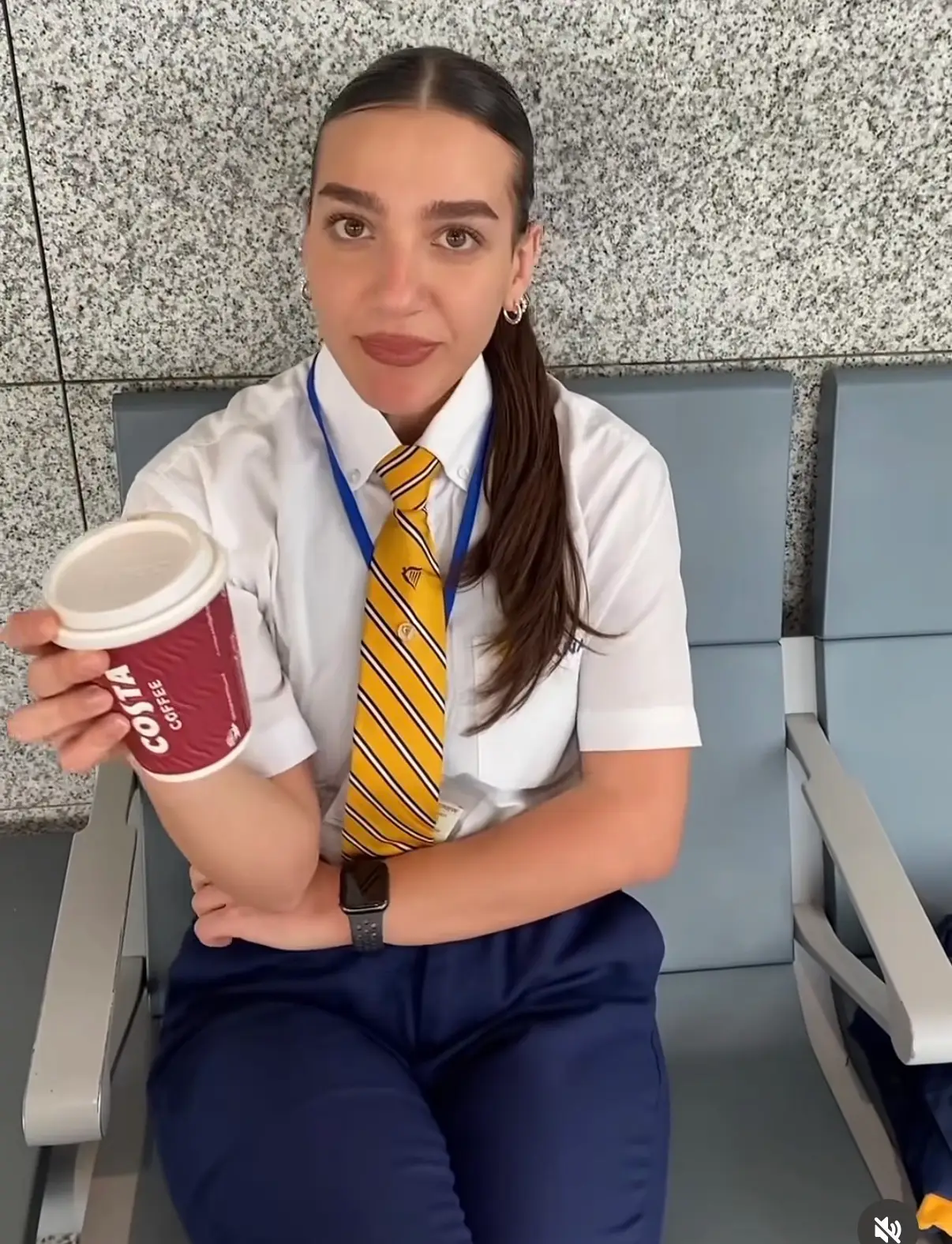
Clothing choices also factor into staying healthy aloft, according to Rotolo. She advised dressing in layers and packing a scarf or light hoodie to combat the dry cabin environment while still keeping vents running.
“I always dress in layers and bring a light scarf or hoodie,” she explained. “Cabin air is dry, and we want that air con to stay on; staying warm and comfortable helps your body cope.”
Footwear matters too. Rotolo said she never boards barefoot or in flip-flops, calling closed shoes with socks essential for both hygiene and emergency preparedness.
“I also wear closed, comfortable shoes and socks, never just bare feet or flip-flops, for hygiene and safety,” she added.
The guidance arrives during peak winter travel season, when crowded cabins and circulating respiratory viruses already strain passenger health. Rotolo’s recommendations center on simple, low-cost precautions that require no special equipment beyond basic antibacterial wipes and appropriate clothing.
Ryanair operates one of Europe’s largest low-cost networks, with Rotolo among thousands of crew members who log hundreds of hours monthly in pressurized aluminum tubes where germs can linger for hours.