

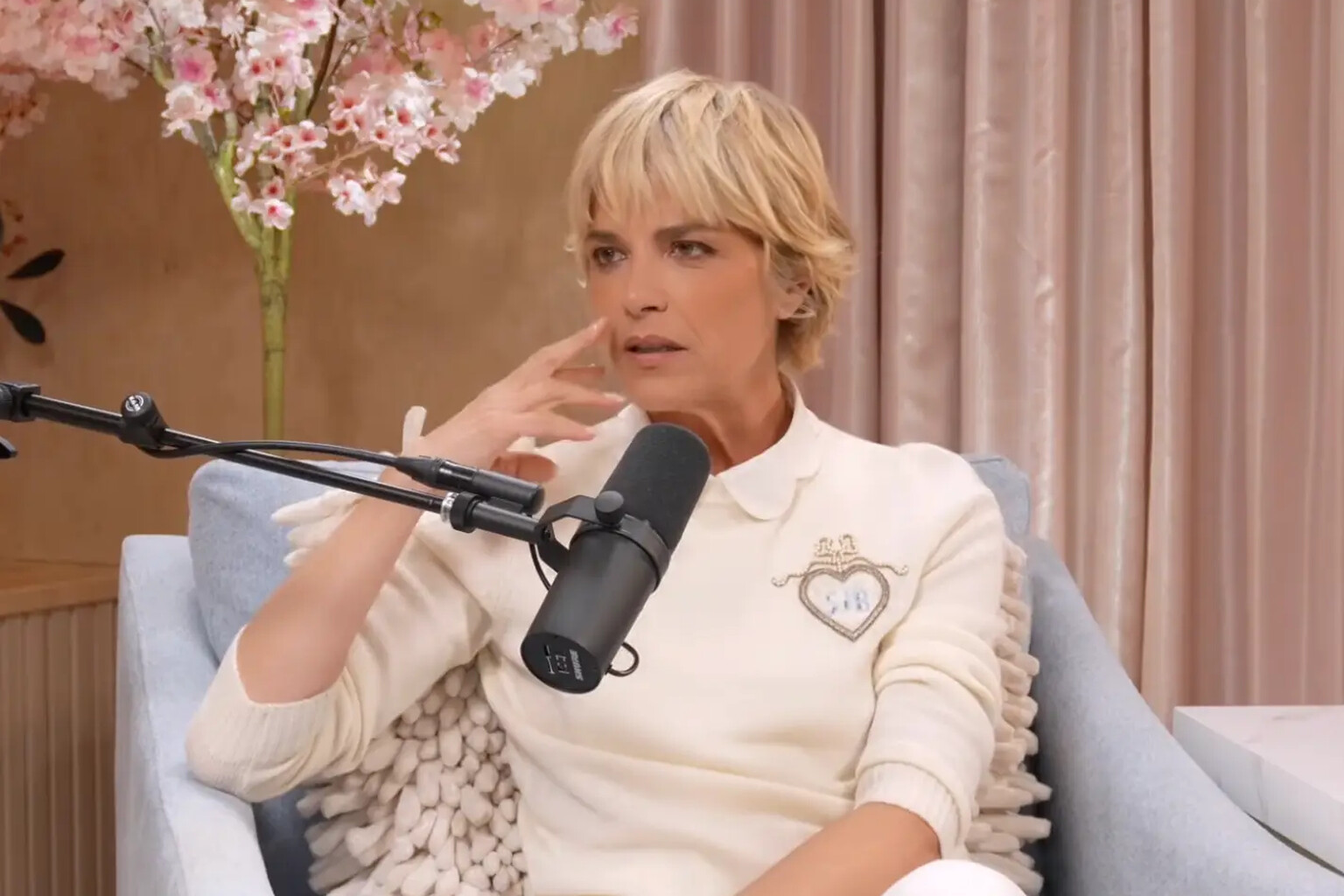
Selma Blair has opened up about using alcohol to dull the nerve pain of undiagnosed multiple sclerosis, a coping mechanism she now calls out as harmful.
The “Cruel Intentions” actress, 54, revealed on Jenny McCarthy’s podcast that drinking became her refuge during years of mysterious symptoms that began in childhood. Blair received her official diagnosis of relapsing-remitting MS in 2018 at age 46, though she believes the disease took root far earlier.
Blair traced her first neurological episode to approximately age seven, when optical neuritis struck and left her with permanent nerve damage and a lazy eye. Speaking at the Flow Space Women’s Health Summit last year, she noted that medical professionals overlooked warning signs throughout her life. “But there were a lot of things missed my whole life,” she said at the summit.
The gap between symptom onset and diagnosis stretched across decades, and Blair turned to alcohol as her primary pain management tool. “It’s wild the times that I’ve gone, even as a very young girl, to alcohol. I was never someone that liked drugs. I was just afraid of them, you know,” she told McCarthy on the podcast.
Blair distinguished her substance preferences, expressing relief that her body rejected stronger pharmaceuticals. “I was never someone that could tolerate opiates, thank God. Like vomit, vomit, vomit, you know, especially with all my teeth stuff,” she continued.
The alcohol provided temporary relief from her neurological symptoms. Drinking was the “one thing that took away [her] nerve pain,” Blair explained, though she recognized the path led nowhere healthy. McCarthy responded on the podcast by comparing alcohol consumption with an autoimmune condition to “drinking toxic sludge.”

Blair now maintains what she describes as a modified sobriety. “I don’t live like a sober sober lifestyle with AA, but drinking, no, I cannot do,” she clarified. She acknowledged the social appeal she can no longer access: “I wish I could be someone that could have two glasses of wine and just be flirty and fun and listen better.”
Her current stance is firm about the incompatibility of alcohol with her health. “I’m still a human being, but I recognize that alcohol is not good medicine for me,” she stated.
Medical guidance from Desert Cove Recovery, an Arizona rehabilitation center, underscores Blair’s experience. The facility notes that alcohol’s effects on autoimmune diseases like MS can be “more severe,” with heightened vulnerability to illness and prolonged sluggishness lasting up to two weeks after drinking. Fatigue represents the most frequent complaint among autoimmune patients who consume alcohol, and that exhaustion can trigger additional harmful behaviors including binge eating as the body craves quick energy through sugars and carbohydrates.
The interview follows Blair’s years-long public journey with MS since her 2018 diagnosis, during which she has documented her treatments, mobility challenges, and recovery process with candor on social media and in various forums.
Blair continues her health advocacy work with upcoming speaking engagements.