

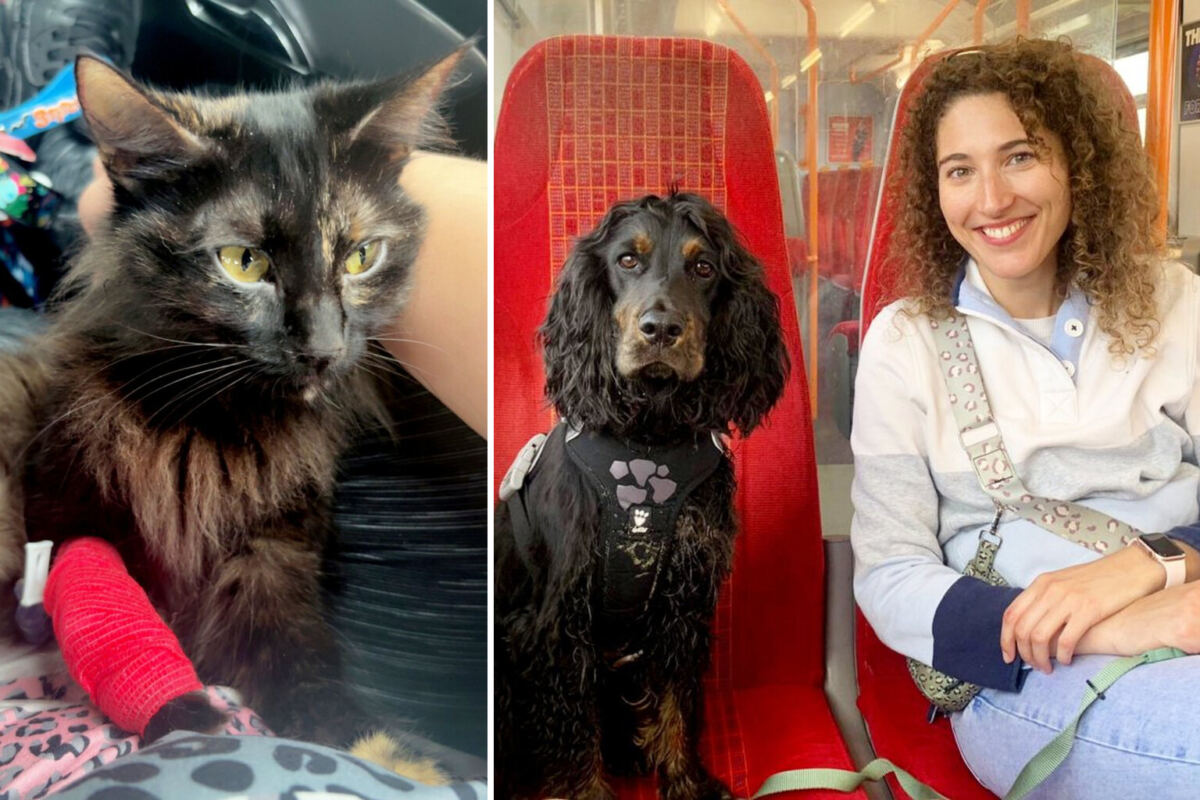
A critically ill cat in south London was saved when an emergency vet used her own pet dog as a blood donor.
Rolo, 2, had collapsed from severe anemia caused by a flea infestation and was rushed to Vets Now in Sutton last Sunday with a red blood cell count of just seven percent, far below the normal level of around 30 percent. Weekend emergency vet Paige Walker faced a race against time when no feline blood was available for the transfusion the cat desperately needed.
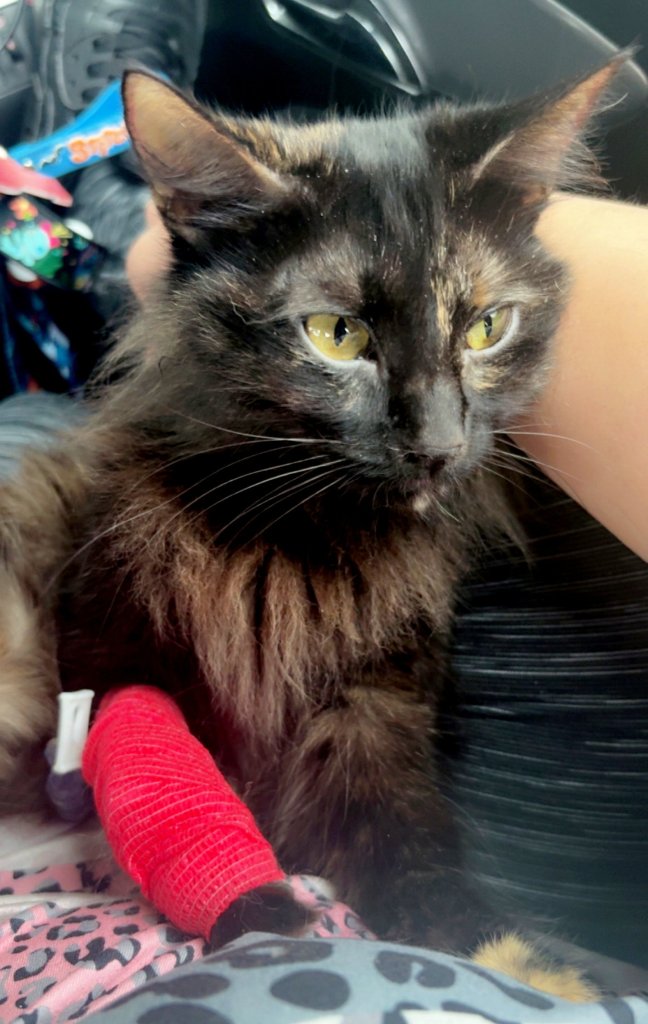
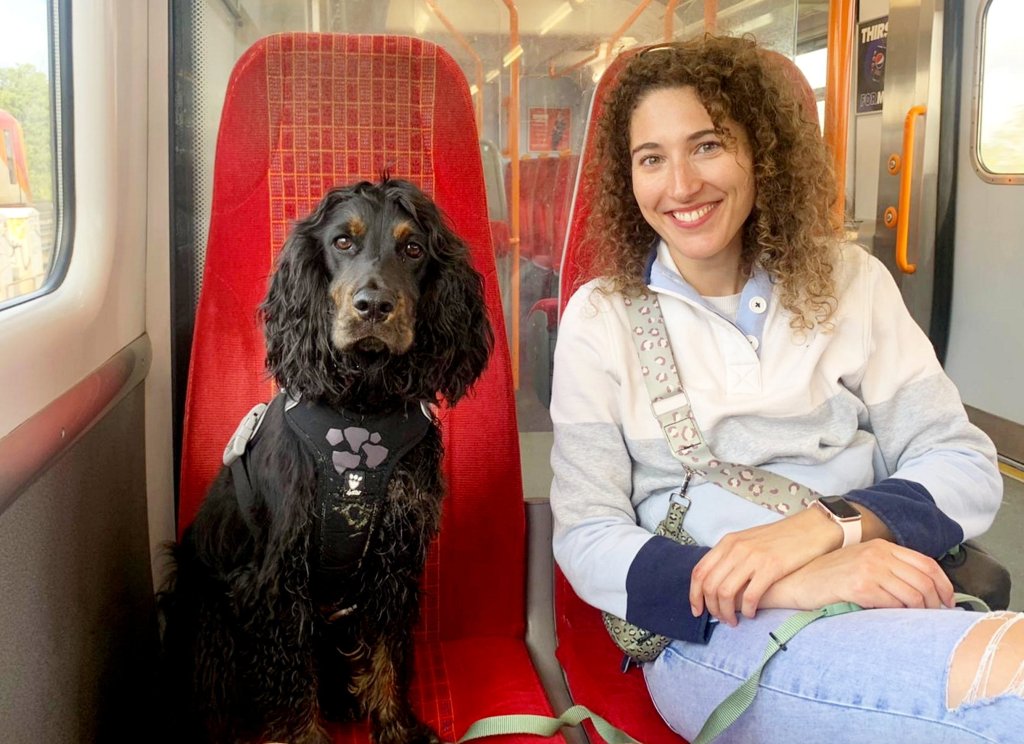
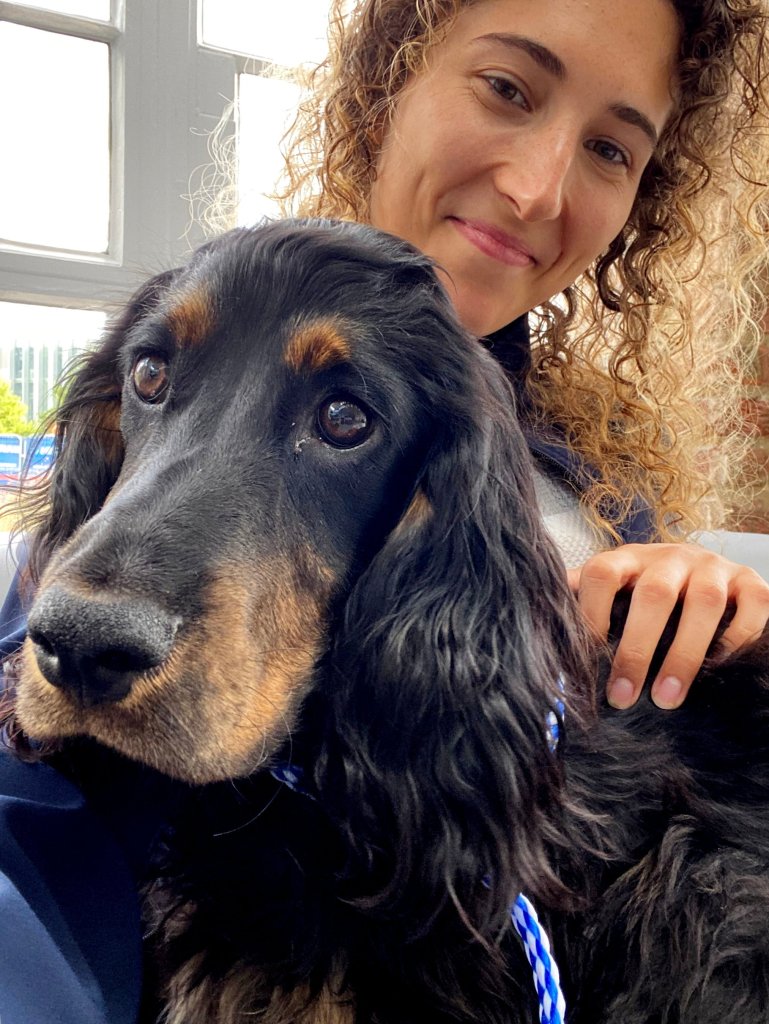
Walker happened to have her four-year-old cocker spaniel Gin with her at the clinic that Sunday afternoon. She drew approximately 60 millilitres of blood from the dog and transfused it into Rolo, then monitored the cat closely through the night.
“Of course, a transfusion of blood from a dog to a cat might on the surface sound quite surprising,” Walker said in a statement from the practice. “But it’s actually an established option for one-off use in emergency circumstances like this, although it’s important to bear in mind that there is never a guarantee that it will have a successful outcome and it is not without risks to the patient.”
The procedure worked. Rolo’s red blood cell count gradually began to rise, and by the following morning she was stable enough to transfer to her daytime veterinary practice before heading home to Carshalton.
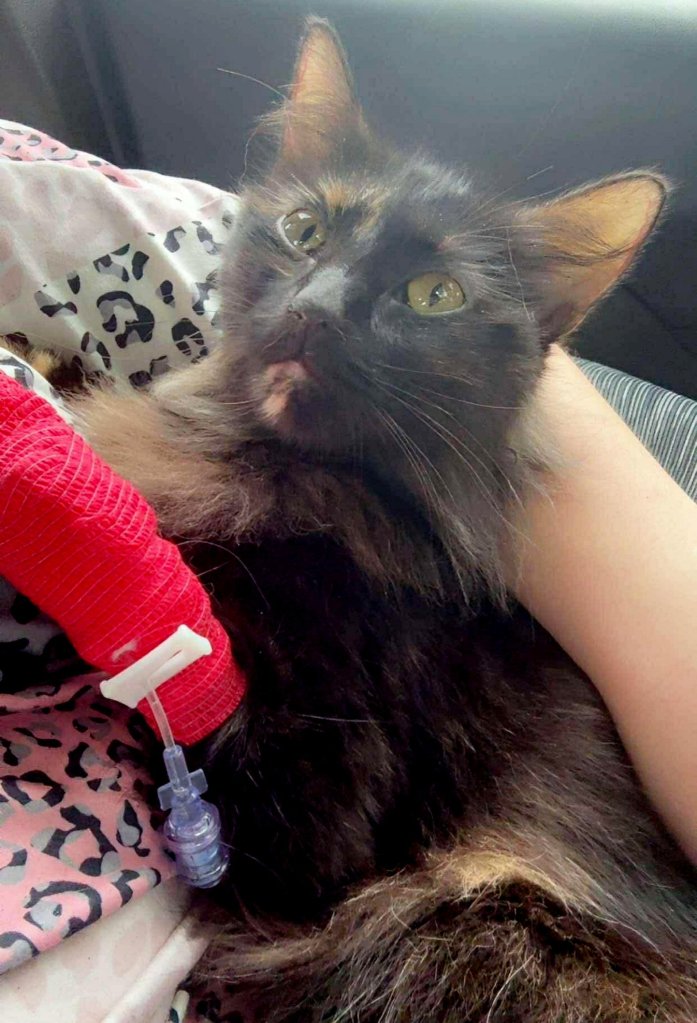
Rolo’s owner, Louise Wood, had feared the worst during those tense hours at the emergency clinic. “I really thought we were going to lose Rolo, and it felt at the vets like we were saying goodbye to her,” she said in the practice’s release. “Paige was very kind and took the time to explain there was a chance of saving her if we tried the transfusion.”
Wood was stunned to learn that dog-to-cat transfusions were even possible. “I had totally no idea that a dog’s blood could be used for a cat,” she said. “It had just never crossed my mind and it really shows how much emergency vet expertise is out there.”
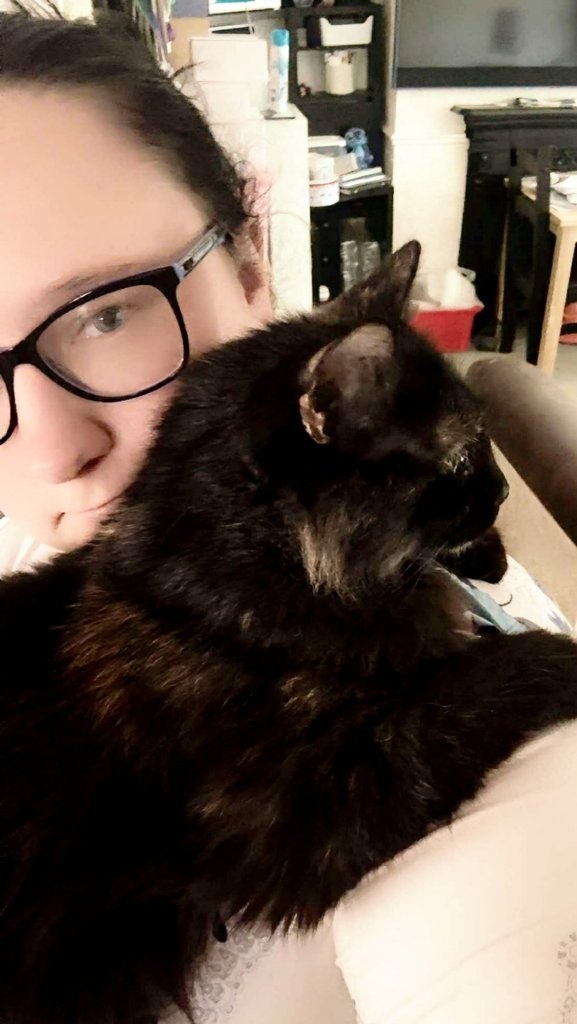
The rescue carried an ironic detail Wood hadn’t anticipated when she named her cat. Rolo was named after Roly, one of the dogs in Disney’s 101 Dalmatians. “So, Rolo is a cat who is named after a dog and whose life was saved by one, which has to be pretty unusual,” she added.
The underlying cause of Rolo’s crisis traced back to a flea infestation that had overwhelmed the treatments Wood had been applying. She had regularly treated Rolo with over-the-counter products, but they proved too weak for the severity of the infestation.
Sam King, principal vet at Vets Now, said this is a frustratingly common scenario for pet owners. “Louise had clearly thought that she was doing all the right things with what was available to her but without success,” King said in the practice statement. “This is quite a common issue, and it is important for owners to be aware of it.”
King explained that fleas develop resistance to treatments over time, rendering most over-the-counter options ineffective regardless of how carefully owners follow instructions. “The best results are obtained using the most modern prescription-only options,” he said.
Wood, reflecting on the ordeal, expressed deep gratitude to the veterinary team that pulled Rolo back from the brink. “I’m just so grateful to Paige, Sam and their team for everything they’ve done for Rolo and for being there in Rolo’s hour of need,” she said. “Without their help we wouldn’t have Rolo with us here now and that just doesn’t bear thinking about.”
Walker had described the severity of Rolo’s condition when she first arrived at the clinic. “Poor Rolo really was very poorly. She’d collapsed, and her gums were very pale, which is a common indicator of anaemia,” the vet said. “We did tests, and her red blood cell count was down to seven per cent, which is one of the lowest levels I’ve ever seen in an adult cat,” She added: “We had to move very quickly, and the only potential option for keeping Rolo alive was an emergency blood transfusion.”
Wood has since switched to prescription flea treatments for Rolo.