

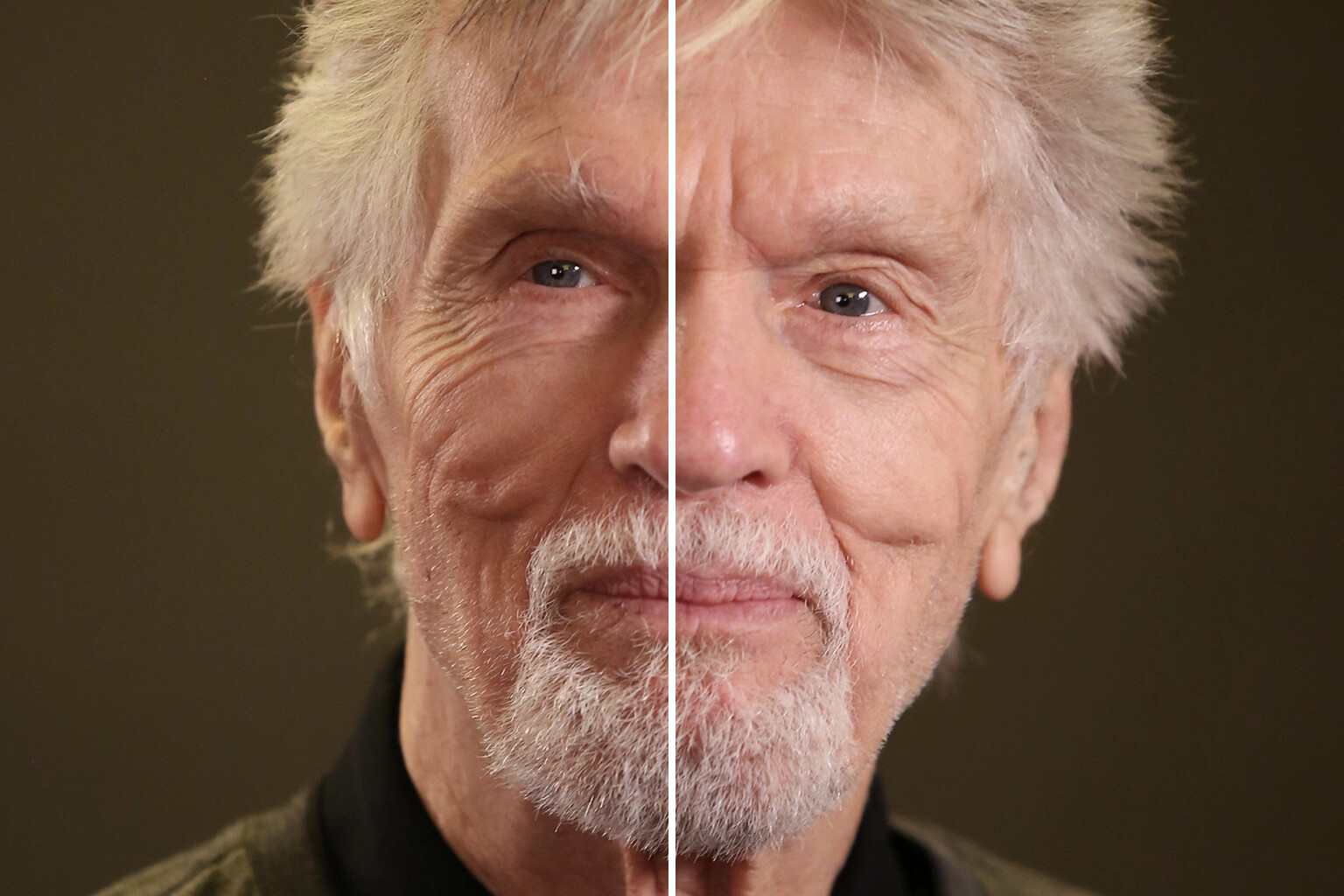
Tom Skerritt, the Emmy-winning actor who commanded the Nostromo as Captain Dallas in Ridley Scott’s Alien, has died at 93.
His family announced that Skerritt passed away from natural causes on Wednesday, October 21, bringing to a close a screen career that stretched across more than six decades. The Hollywood Reporter first reported his death.
“We are heartbroken by his loss,” the family said in a statement. They remembered him for his humor, curiosity, generosity and commitment to helping others find their voices.
While millions knew his face from blockbuster Hollywood productions, those closest to him emphasized a life directed toward service beyond the screen. Skerritt dedicated significant time to supporting military veterans and nurturing aspiring filmmakers trying to break into the industry.
The Seattle-born actor built one of the most recognizable résumés in American cinema. He appeared in Robert Altman’s M*A*S*H in 1970, played a flight instructor opposite Tom Cruise in Tony Scott’s Top Gun in 1986, and anchored the ensemble of A River Runs Through It in 1992. Horror and science-fiction fans cherished his turn as the pragmatic Captain Dallas in Alien, the 1979 classic that launched a franchise and redefined the creature feature for a generation.
Television brought Skerritt perhaps his most decorated role. He starred as Sheriff Jimmy Brock in Picket Fences, the CBS drama created by David E. Kelley that ran from 1992 to 1996. The part earned him an Emmy Award for Outstanding Lead Actor in a Drama Series in 1993, cementing his status as a performer who could anchor a series across multiple seasons.
The actor also appeared in David Cronenberg’s The Dead Zone and Gary Sherman’s Poltergeist III, rounding out a filmography that moved fluidly between prestige dramas, mainstream action pictures, and genre material. Directors repeatedly cast him for the grounded authority he projected, whether as a military officer, a small-town lawman, or a father navigating crisis.
Skerritt’s commitment to veterans’ causes and environmental protection of America’s rivers ran parallel to his acting work rather than following it. He maintained these efforts across decades, treating advocacy as a sustained obligation rather than a celebrity afterthought. The family’s statement highlighting his generosity and his drive to help others find their voices reflected this dual-track life, one that refused to let professional success eclipse civic engagement.
The death notice arrived without advance warning, framed by his family’s personal grief and their insistence on celebrating a life fully lived. No memorial plans have been disclosed.