

Psychologists are warning that Netflix’s recreation of the infamous Stanford Prison Experiment risks repeating the same ethical failures that made the 1971 study notorious.
Gwenhwyfar Henry, a psychologist who spoke, believes examining the experiment’s themes remains vital today, but argues the new series should move past simply proving that authority can breed cruelty.
“I don’t think we need another spectacle of people mistreating one another,” she said. “I think we need to understand how we become capable of it, and importantly, how we stop it.”
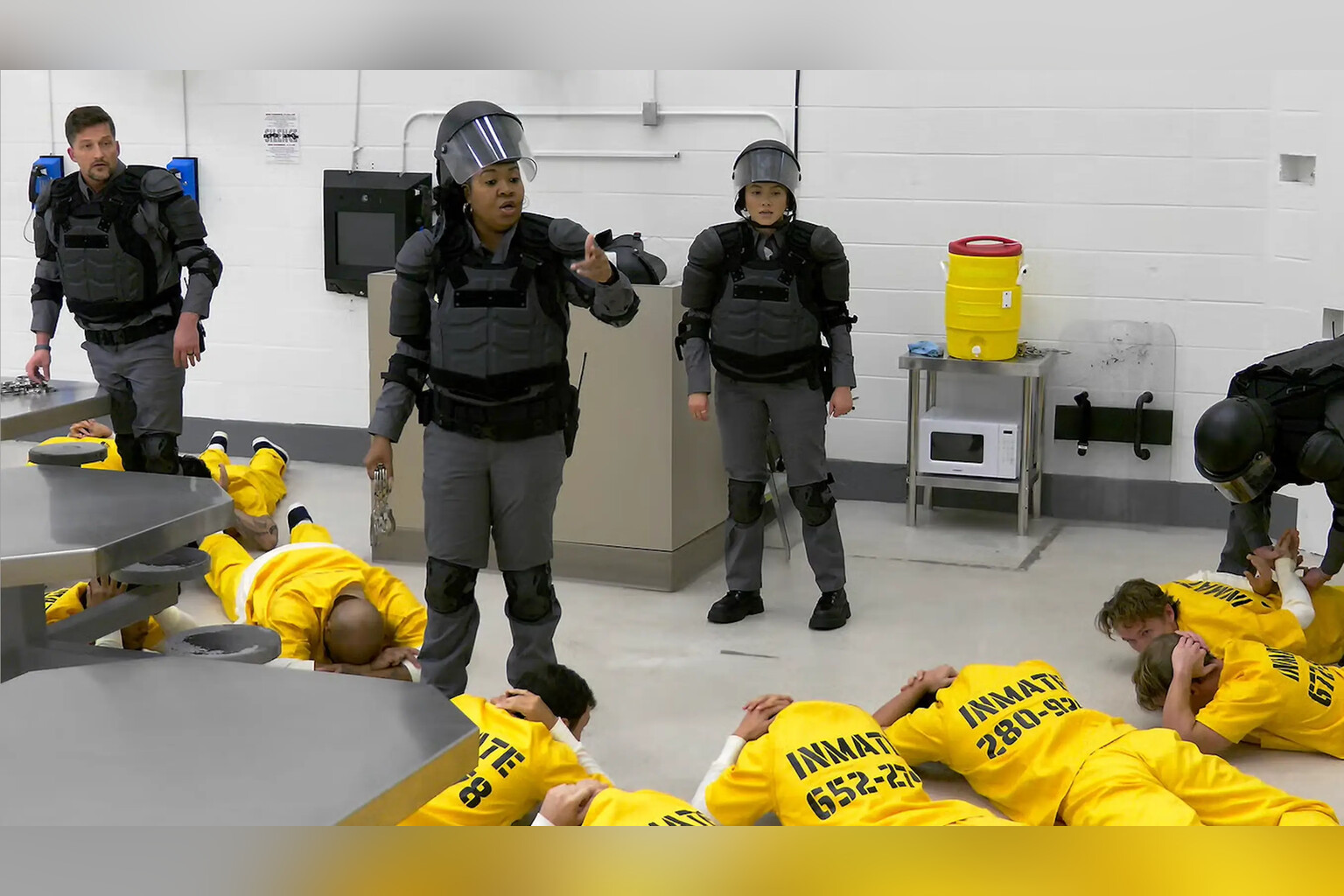
The streaming platform’s six-part series, titled The New Stanford Prison Experiment, places 30 volunteers inside a decommissioned section of an operational adult detention center in Canton, Georgia. Eight participants serve as guards while 22 take on prisoner roles, with the planned two-week experience including intake procedures, fingerprinting, restricted recreation and scheduled phone access. Participants can leave at any time by using the safe word “pineapple.”
Dr. Wildaliz Caro, a medical contributor at Aura Recovery Center in Kentucky, has raised sharp questions about the original research methodology and the scientific value of revisiting its findings.
“Repeating the setup would not resolve the study’s ethical and methodological problems,” Caro said. She pointed to a 2019 archival analysis by researcher Thibault Le Texier, published in American Psychologist, which found evidence that guards in the original study had been coached and that data collection was biased and incomplete.
Caro stressed that replicability remains crucial to legitimate science.
“If scientists find a certain result from an experiment, but no one else is able to replicate it, that’s a red flag,” she added.
The original experiment took place at Stanford University in California in August 1971, when 24 male college students were recruited for a study led by psychologist Philip Zimbardo, who died in 2024 and remained a divisive figure throughout his career. Participants were assigned roles in a mock prison, with some acting as guards and others as prisoners, intended to explore how people responded to authority and imposed social roles. The study was planned to run for two weeks but was stopped after just six days amid reports of psychological distress and increasingly abusive treatment of prisoners. It subsequently became one of the most widely discussed examples of ethical controversy in psychological research, and its scientific credibility has faced repeated challenges over the decades.
The new series introduces planned stages including a role reversal and a final period in which prisoners govern themselves without guards. It is overseen by behavioral scientist and Harvard professor Alison Wood Brooks, journalist Trymaine Lee and retired federal corrections officer Michael Cantrell.
Caro noted that six participants reportedly left because of the intensity of the experience, but stressed that this alone does not establish misconduct. She also highlighted the importance of participant safeguards and debriefing sessions that allow people to discuss and process their experiences, while cautioning that these measures cannot guarantee protection against psychological harm.
Henry pushed the critique further, arguing that the deeper issue is how ordinary people can be persuaded to accept cruelty as justified.
“How do otherwise decent people come to see another human being as the problem?” she asked.
She contended that these dynamics are not confined to research settings, but can emerge in families, workplaces and communities.
“Not repeating something doesn’t mean it doesn’t exist in the world,” Henry said, warning that people can be influenced to turn against one another without recognising they are being manipulated.
For Henry, the value of revisiting the study lies in understanding how people come to participate in harmful behavior, and how those patterns can be identified before they take hold.
Netflix has not publicly responded to the psychologists’ concerns.