

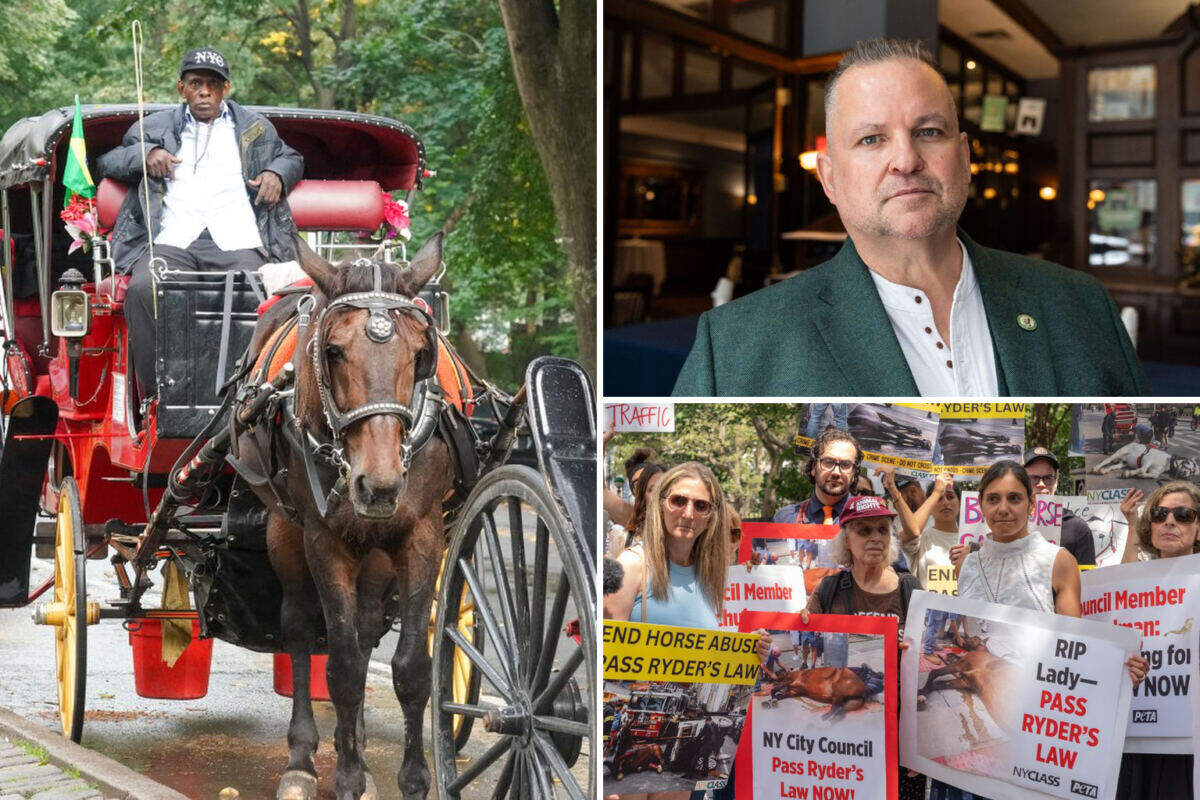
The Transport Workers Union sued New York City the instant lawmakers voted to outlaw Central Park horse carriages.
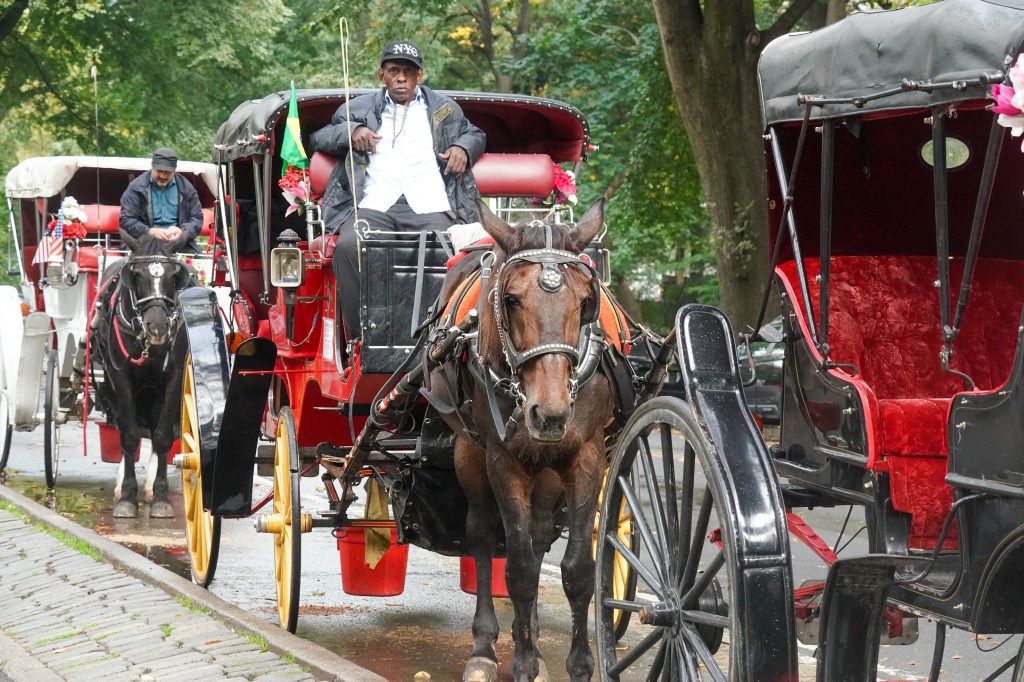
The TWU, which represents roughly 200 drivers and owners, filed for a temporary restraining order Thursday against Romanch’s Law just moments after the City Council passed it with a veto-proof majority. The legislation will end a 168-year tradition of horse-drawn rides through the Manhattan park.
The legal move fulfilled a threat the union had issued barely 24 hours earlier. In a letter to council members Wednesday, TWU attorneys warned they would sue “the minute the ink dries” on the ban.
“This bill is a train wreck of constitutional and due process violations,” TWU International President John Samuelsen fumed in a statement Wednesday.
“It offers nothing concrete for blue-collar drivers and carriage owners who will be financially crushed, stripped of their jobs, their licenses, expensive city-issued medallions, small businesses, and way of life. It is not progressive. It is anti-worker. It’s theft.”
The union’s legal team directed a separate letter to the city’s Law Department chief outlining what they called a “mess of serious Federal and State Constitutional violations.” The attorneys argued the bill amounts to an unconstitutional taking of property without just compensation, rendering years of investment into medallions and careers effectively worthless.
The TWU stressed it does not oppose regulation of the industry outright. In its correspondence to City Council Speaker Julie Menin and Mayor Zohran Mamdani, the union indicated it remains open to crafting alternative legislation that protects workers, safeguards animals, and passes legal muster.
City officials dismissed the threatened litigation. “We are reviewing the letter. We are confident the legislation is grounded in the law and will be prepared to defend it,” Nicholas Paolucci, a spokesperson for the Law Department, said in a statement.
Menin, 47, whose office referred inquiries to her prior remarks, had framed the ban as a necessary response to public safety failures. She pointed to the death this year of 18-year-old tourist Romanch Mahajan, who was thrown from a carriage and killed while the driver was not aboard. The legislation bears his name.
“Horse-drawn carriages have long been part of New York City’s history, but in an increasingly busy Central Park, this tradition has become a growing public safety liability,” Menin said in a statement released last week.
“We can honor our city’s traditions while recognizing when it’s time to move forward in the interest of public safety, protecting workers, and strengthening our city’s economic vitality.”

The council’s Thursday vote delivered a decisive blow to an industry that has operated in the park since the mid-19th century, with drivers and owners now facing the dissolution of their livelihoods under the phased implementation of the prohibition.
The TWU’s lawsuit sets up a legal confrontation over whether the city can eliminate an entire regulated industry without compensating those it licenses to participate. The union’s emphasis on medallions — expensive, city-issued permits that drivers purchased as investments — signals the financial stakes for workers who cannot simply transfer their specialized equipment and expertise to another trade.
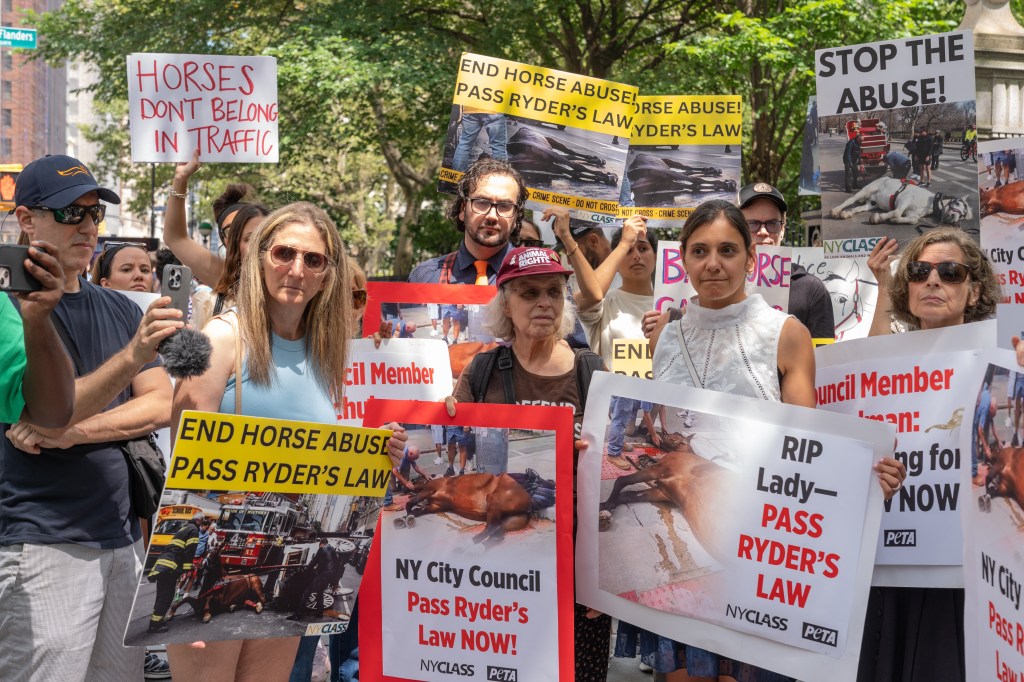
The legislation now heads toward implementation as both sides prepare for court.