

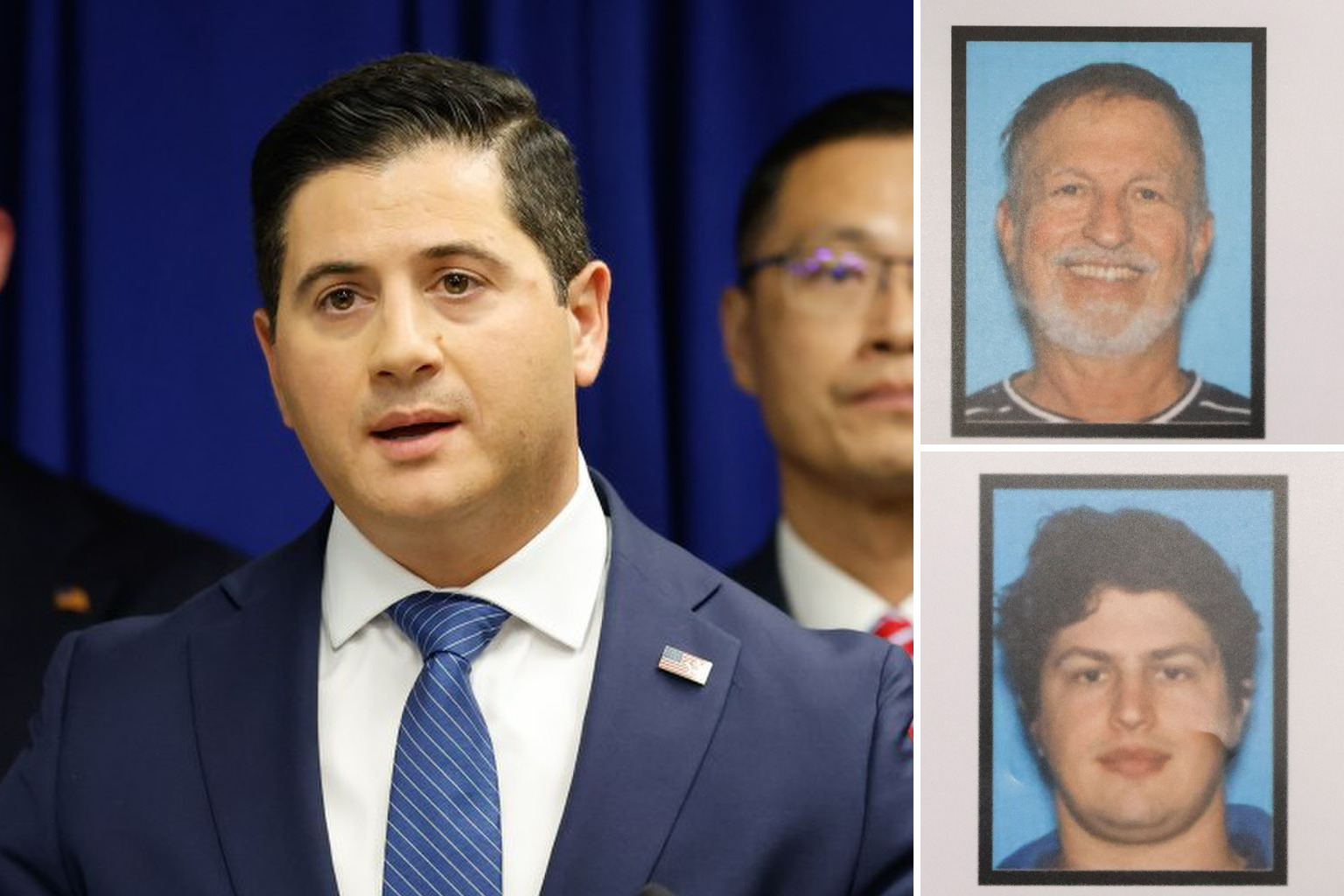
Federal authorities have arrested four people accused of running a $1.6 billion rehab fraud that trafficked thousands of homeless addicts into California through a network of body brokers.
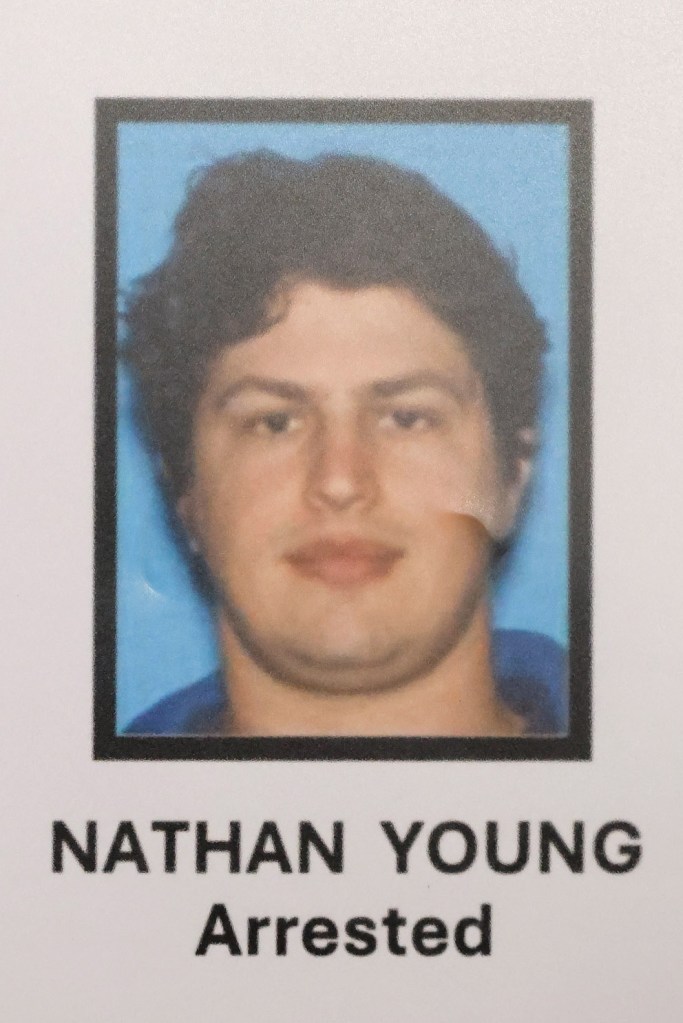
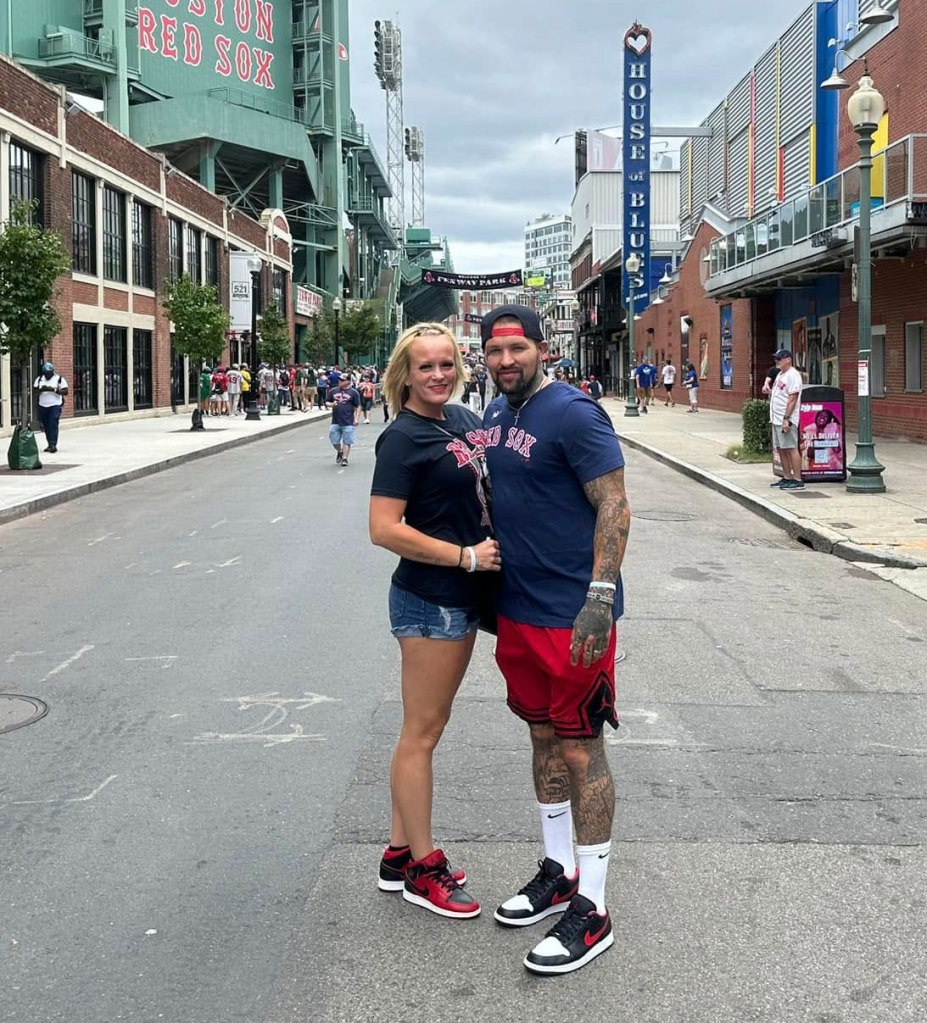
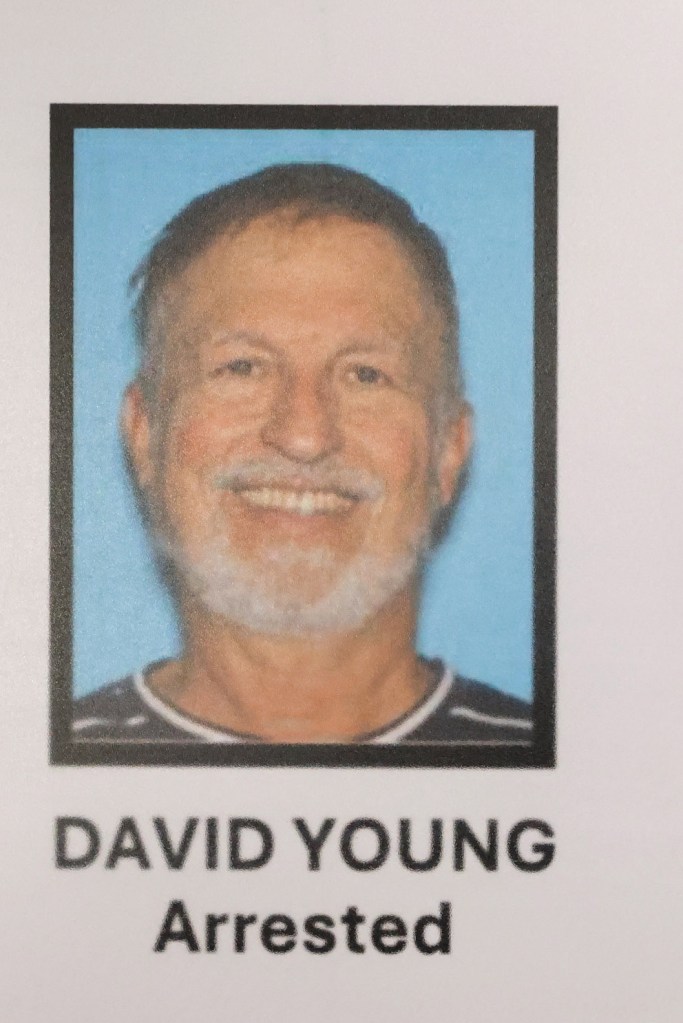
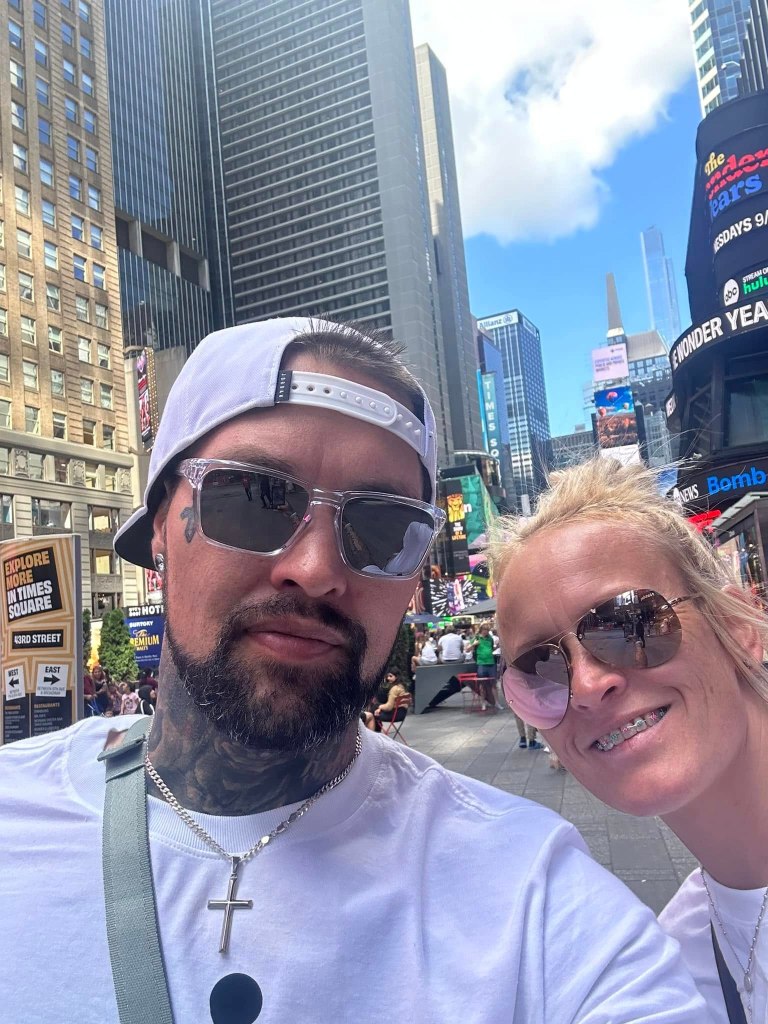
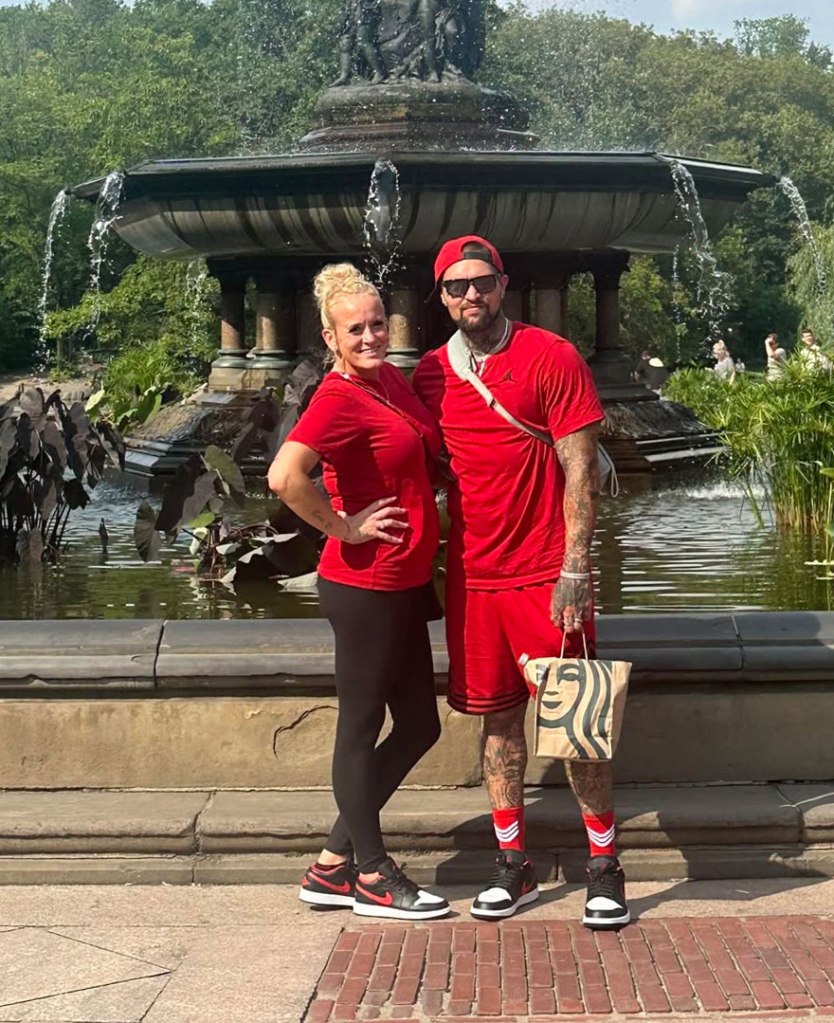
David Young, 71, and his son Nathan Young, 39, allegedly directed the six-year scheme from Los Angeles, using recruiters including Honey Phipps, 42, and Cody Phipps, 36, a married couple from Greenville, Texas. The four were taken into custody Thursday as part of a sweeping anti-healthcare fraud operation unveiled by federal prosecutors in Los Angeles.
The body brokers targeted vulnerable addicts nationwide with promises that included free airline flights, groceries, cash, drugs, and luxury housing in desirable Los Angeles locations. Credit card records showed victims were flown in from Las Vegas, Cleveland, and Birmingham, Ala., to facilities including Rodeo Recovery and Get Real Recovery.
Once enrolled, patients were coached to fabricate or exaggerate their addictions during intake. Some were encouraged to use drugs or alcohol specifically so they would fail urine tests and qualify for treatment.
“Often, as many as approximately 100 patients would be logged into one Zoom session at a time and patients would not be expected to be on camera or to participate in therapy,” court papers state. “In fact, no therapy would be provided during these Zoom sessions.”
The Youngs prioritized patients with insurance policies that paid high reimbursements. For those without such coverage, they arranged sign-ups and in some cases instructed victims to falsely claim Native American status to obtain better benefits. Some patients were even placed at companies known for lucrative insurance policies so the Youngs could collect the payouts.
Inside the network, addicts were cycled through different treatment centers corresponding to different sobriety levels, maximizing billable services. But investigators say genuine care was virtually nonexistent.
Employees were directed to take patients to movies, dinners and other outings, then document and fraudulently bill these as group therapy sessions. Doctors were recruited to prescribe powerful sedatives, with some victims becoming newly addicted to the medications.
To prevent escape, the Youngs allegedly drugged patients, cut off family communication, blocked access to personal belongings, and physically prevented them from leaving facilities. When insurance coverage finally expired, the victims were simply released onto the streets.
“When they couldn’t bill anymore, they’d end up on the streets of California and Los Angeles,” First Assistant US Attorney Bill Essayli said. “It is a pipeline of addicts and homeless people to here in California.”
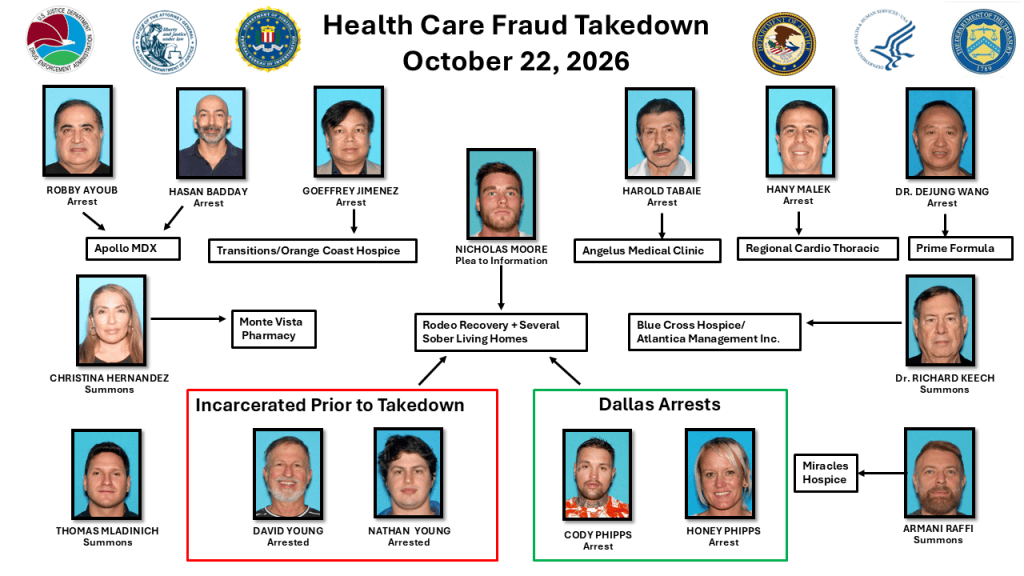
The defendants pocketed more than $210 million while operating rehabs across Los Angeles, San Diego, the Bay Area and elsewhere. At least 6,000 homeless addicts were lured into the scheme, according to prosecutors.
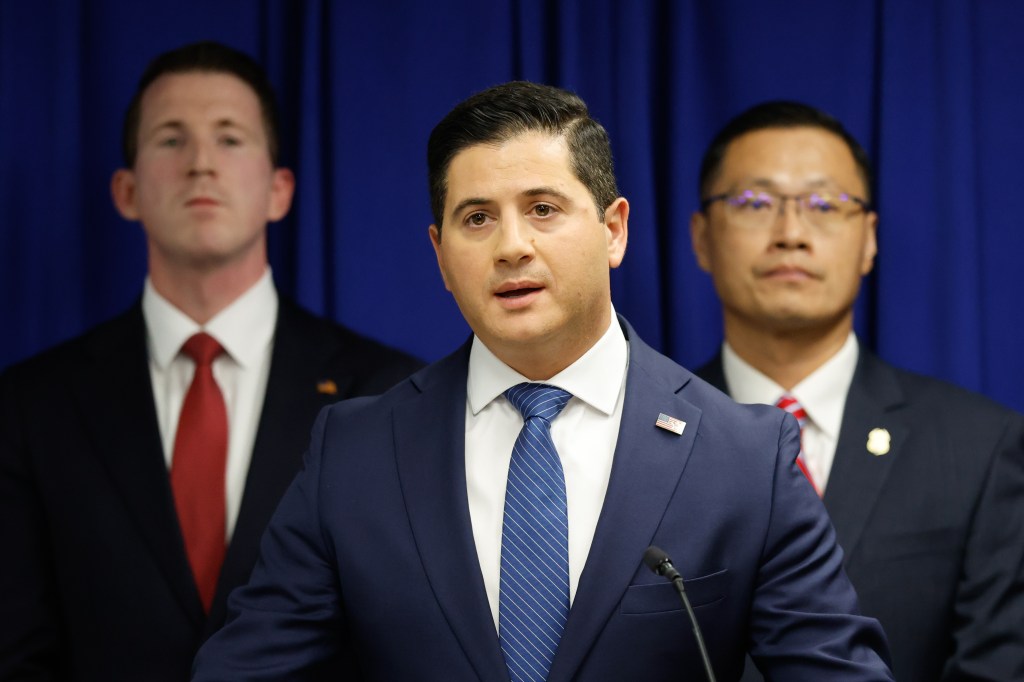
Assistant Attorney General Colin M. McDonald called the case “the largest sober home fraud scheme the Department has ever prosecuted.”

The alleged fraud represents one of the most brazen examples of body brokering in the addiction treatment industry, where recruiters receive kickbacks for delivering patients to specific facilities. The Youngs’ operation allegedly exploited California’s existing homelessness crisis by creating a revolving door of untreated addicts dumped onto local streets.
The case highlights how fraudulent rehabs can exploit insurance systems while abandoning vulnerable populations, using telehealth loopholes and falsified documentation to sustain years of billing without delivering care.
The defendants face federal charges following their arrests in the coordinated enforcement action.