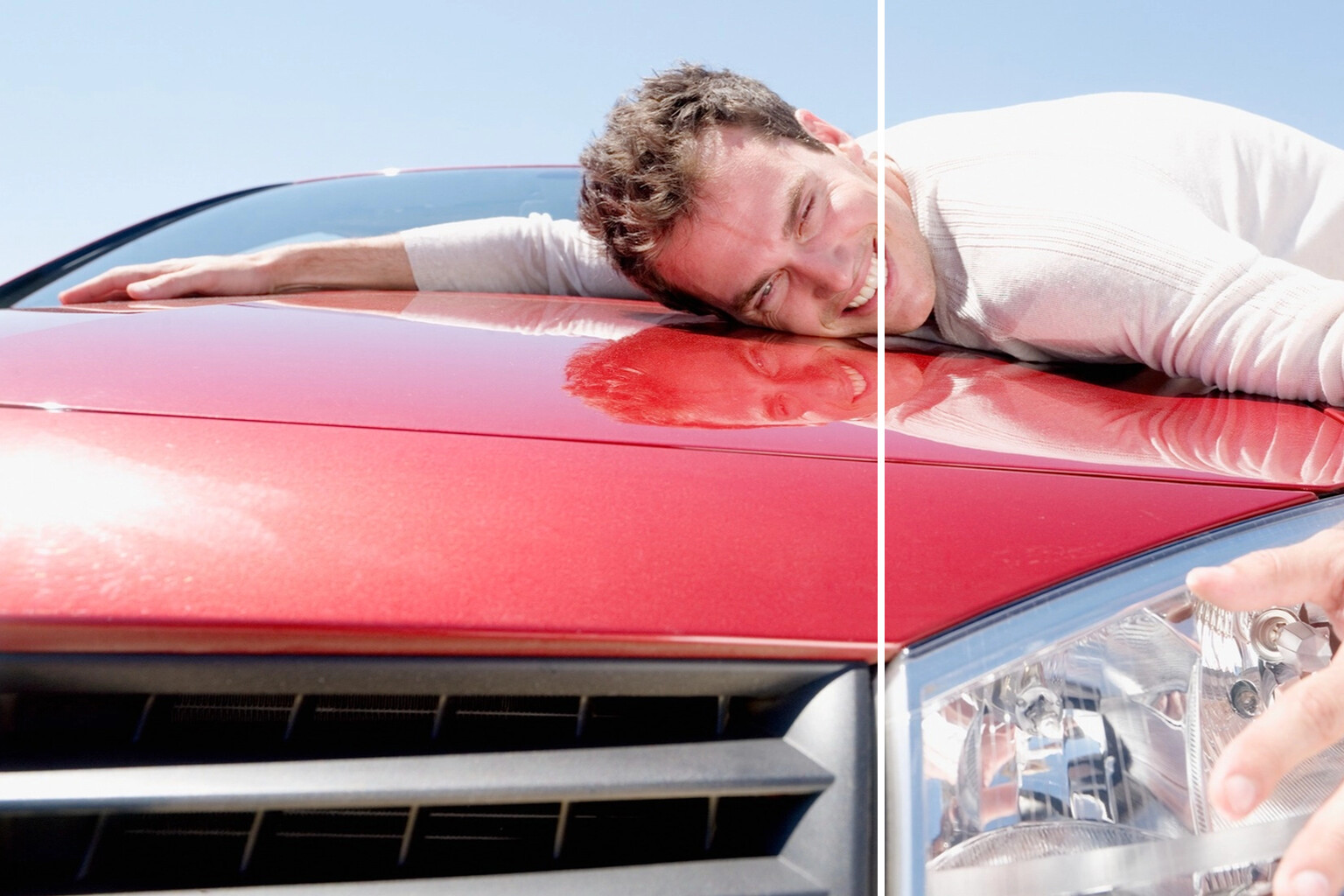
Three intimacy experts have broken down the psychology behind objectum sexuality, a phenomenon in which people experience romantic, emotional or sexual attraction toward inanimate objects.
Sofie Roos, a licensed sexologist and relationship therapist who contributes to Swedish relationship magazine Passionerad, defined the condition in broad terms. “Objectum sexuality, also known as ‘object sexuality’ or ‘objectophilia’, means that a person experiences romantic, emotional and sometimes even sexual attraction to a lifeless object, such as to a building, a vehicle, a bridge, to machines, to a piece of clothing or to something completely else!” she said.
Roos emphasized that experiences vary considerably. Some people feel a strong sense of belonging to an object, while others experience sexual attraction. She cautioned that feeling attached to something does not automatically mean someone identifies with the term. “Just because you feel strongly for an object, it doesn’t mean that you’re object sexual!” she said.

Anna Richards, sex educator and founder of Frolicme.com, identified technosexuality as a subtype in which a person’s primary attraction is directed toward technology. She noted that objects involved in these experiences can include cars, shoes, statues, sex robots, toys and dolls. Richards also pointed out that some people may subscribe to belief systems that attribute a spirit or divine presence to objects.
Psychologist Esther Lapite-Garrett, founder of Alafiora, grounded the phenomenon in familiar human behavior. She noted that people routinely give objects human qualities, from naming their cars to developing childhood attachments to stuffed animals. Films such as Toy Story and Transformers also portray toys and vehicles as characters with their own personalities and relationships.
Lapite-Garrett explained that an object’s emotional significance can sometimes be connected to the people and experiences associated with it. A gift received from someone important, for example, might become a lasting reminder of that relationship, even after the person is no longer part of someone’s life. She said the object can retain some of the emotional meaning attached to the individual.
The same principle can apply to vehicles, which may represent independence, protection or a sense of identity. “A car may represent protection, take us where we need to go, and provide a relatively consistent presence in our lives,” Lapite-Garrett said. She added that people can associate particular emotional experiences with romantic or erotic feelings, potentially influencing the way they experience attraction.

Roos highlighted the possible role of personal memories, explaining that objects can represent positive experiences, identity and security. “An object can also stand as a symbol for positive experiences, memories, your identity, the feeling of safety or even for a person you once had in your life,” she said.
However, Roos cautioned that research into the phenomenon remains limited, meaning there is no definitive answer for why some people develop these feelings. She suggested that possible contributing factors could include loneliness, past trauma, skepticism toward other people and differences in how individuals experience social relationships. But these remain theories rather than established explanations.
Richards similarly suggested that some people may feel drawn to objects because they do not judge them, while others might develop attraction through previous experiences involving particular items. She also discussed how increasingly advanced sex robots can become the focus of emotional and romantic attachments, potentially providing a form of connection for some people.

Both experts addressed whether these attractions indicate mental health concerns. Roos emphasized that experiencing an unusual form of attraction does not automatically indicate a problem. “However, objectum sexuality is rare, an unusual form of attraction doesn’t mean that you’re having any mental issues if you’re experiencing it,” she said. Roos added that the important consideration is whether the attachment is positive, freely experienced and does not negatively affect someone’s everyday life.
Lapite-Garrett stressed that understanding the individual should take priority over assuming a single cause. “As a psychologist, it would be my role to understand their experience rather than assume one explanation,” she said.
Although some psychological theories may help explain why objects become the focus of romantic or sexual feelings, the available research is not sufficient to establish one universal reason. As Roos put it: “This is a field that we hopefully will get more clarity in within the next few years!”