

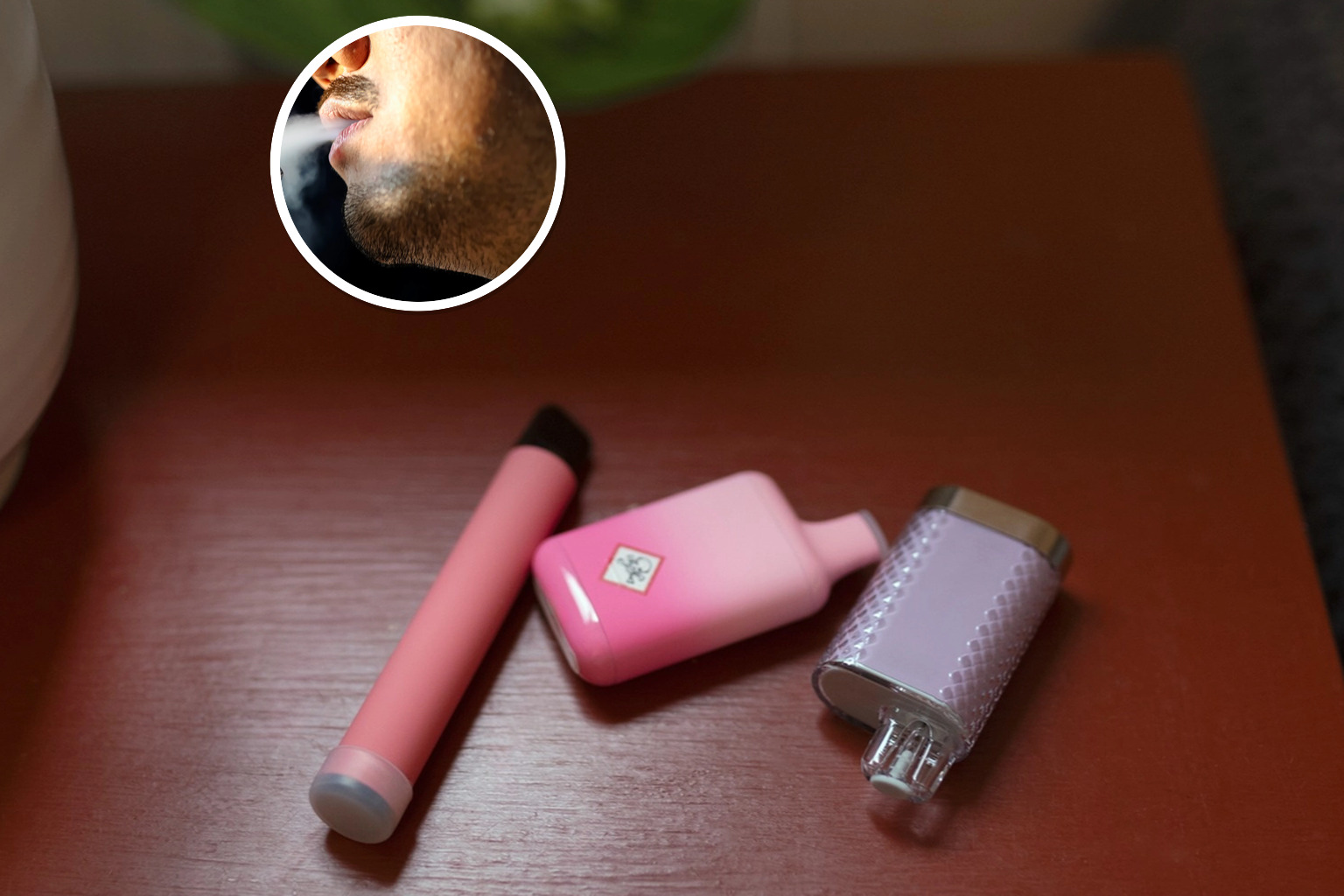
Doctors have mapped out the minute-by-minute biological cascade that vaping triggers inside the human body, revealing how the habit quickly tightens its grip on users.
The new medical breakdown, compiled by health reporters drawing on clinical expertise, shows that the first inhale from an e-cigarette sets off a chain reaction within seconds. Nicotine races through the lungs and into the bloodstream, forcing the heart to beat faster and blood pressure to spike as the cardiovascular system kicks into overdrive. The brain simultaneously floods with dopamine, manufacturing what feels like relaxation or a brief energy surge but is actually a chemical trick.
That same first breath brings immediate respiratory irritation. The vapor assaults the mucous membranes lining the throat and airways, leaving users with dry mouth, coughing fits, or labored breathing. Younger users and vaping newcomers face the worst of these breathing struggles, according to the medical analysis.
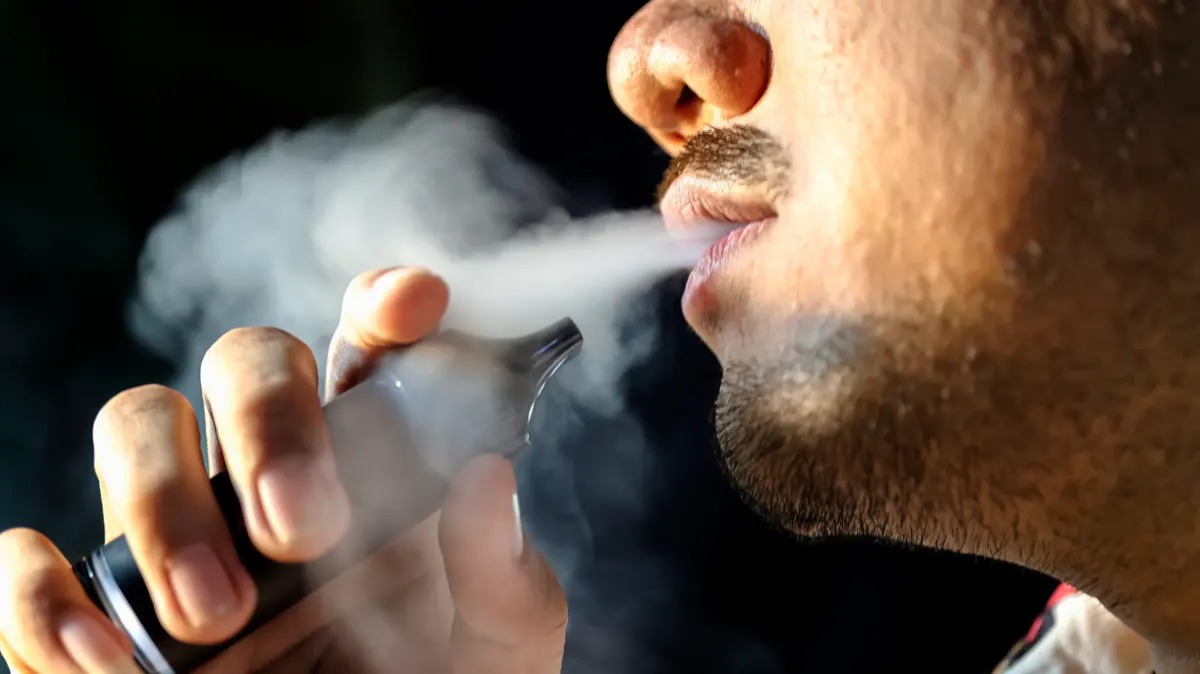
Between ten and thirty minutes after that initial puff, the body confronts a second wave of effects. Nicotine levels fluctuate sharply, sparking anxiety and nervousness. Meanwhile, microscopic aerosol particles and chemical compounds bore deep into pulmonary tissue, inflaming airways in ways that may not show up immediately but start causing damage below the surface.
The half-hour mark brings a deceptive lull. The stimulating rush has faded, yet blood vessels stay constricted. Normal circulation remains compromised, oxygen delivery to tissues falters, and the cardiovascular system labors under sustained strain. The body is still paying for a brief buzz that ended minutes ago.
By the one-hour point, nicotine concentration in the blood crashes. Withdrawal symptoms surface: irritability, foggy concentration, and an urgent craving to vape again. Medical experts emphasize that this cyclical pattern — spike, crash, crave, repeat — is precisely how addiction entrenches itself.
The long-term consequences extend far beyond this hourly loop. Sustained vaping can inflict severe lung damage, including bronchiolitis obliterans, commonly called popcorn lung. Users also experience diminished physical capacity as breathing difficulties worsen over time.
The medical consensus has hardened around clear warnings. Experts urge people who have never smoked to avoid e-cigarettes entirely, given their highly addictive nature. For current traditional cigarette smokers, doctors recommend medically tested cessation tools like nicotine patches rather than turning to vaping as an alternative.

The minute-by-minute analysis arrives amid mounting evidence that e-cigarettes, widely marketed as safer than combustible tobacco, carry substantial health risks that many users underestimated when the devices surged in popularity over the past decade.