

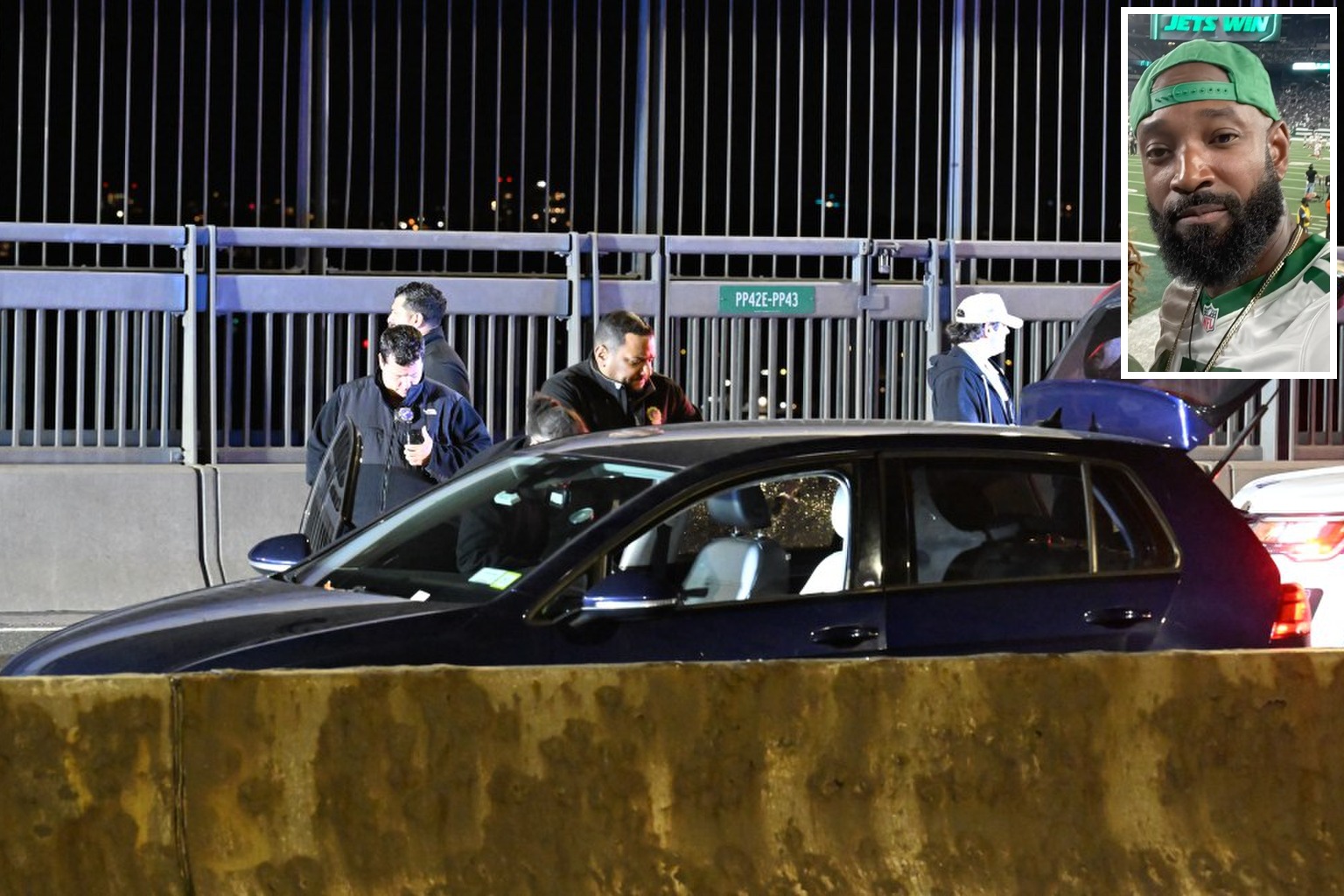
Victor Romero, 62, is free after posting $1 million bail Friday following the deadly shooting of a fellow Rockland County driver on the George Washington Bridge.
The retired NYPD narcotics detective had spent only days behind bars after allegedly gunning down Con Edison worker Koran Irvine, 46, in what prosecutors called a “particularly senseless” act of road rage. Department of Correction records confirmed the seven-figure bond was posted three days after the killing.
Romero left the police force in 2001 and had been working as a driver for the CEO of QVT Financial, a multi-billion-dollar biotech and energy investment firm. He was behind the wheel of the company’s Range Rover SUV when he and Irvine nearly collided during a lane change on the ramp to the upper level of the outbound bridge last week, sources said.
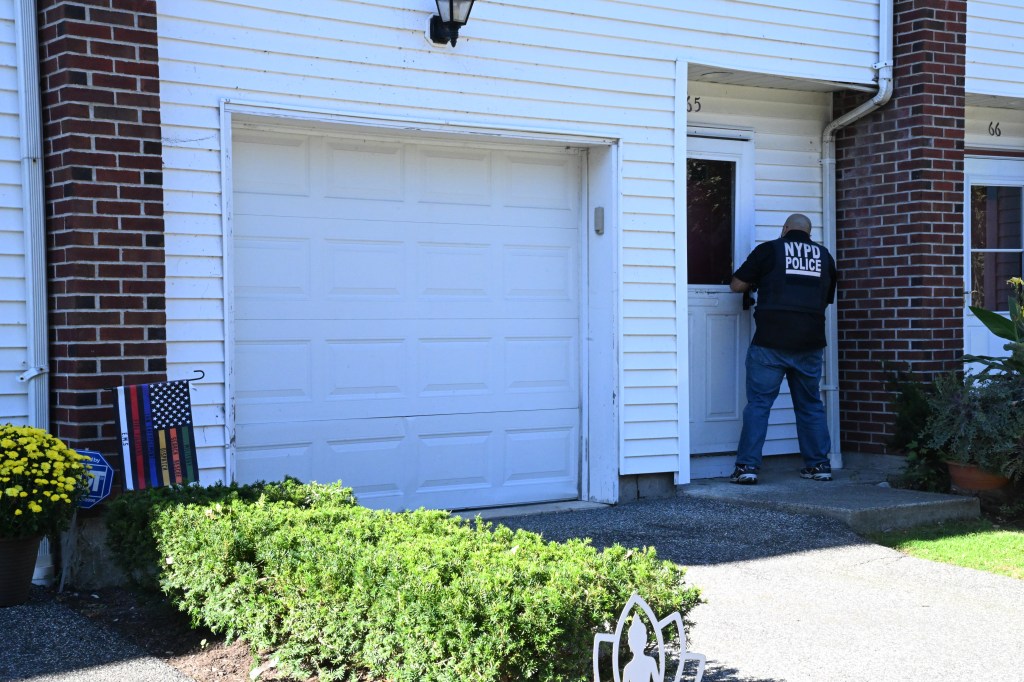
What followed, according to investigators, was a calculated pursuit. Romero allegedly tailed Irvine’s sedan before pulling alongside the passenger side and firing a single shot through the window. The bullet struck the father of two in the shoulder, and Romero drove off without calling 911, authorities said. He was arrested the following day.
The case took a sharp turn at Romero’s Thursday arraignment when murder charges were downgraded to manslaughter without public explanation. That reduction, combined with bail being set at all, has drawn fierce criticism from Irvine’s family and their legal representative.
“I think if he was charged with murder, he should have been remanded without bail,” Keith White, the Irvine family attorney, told The Post on Sunday.
“In most serious cases involving suspects that should be charged with murder, people are remanded,” White explained. “But also, I have cases where people aren’t charged with murder, they’re charged with lesser crimes and they are remanded as a flight risk.”
White pressed the point further in pointed remarks outside Manhattan Criminal Court, where about a dozen of Irvine’s relatives and friends had gathered.
“So somebody who chases down and kills somebody in a car, and then flees the scene, doesn’t call 911 isn’t deemed a flight risk?” the lawyer asked.
The gathering of loved ones reflected a broader belief that Romero received preferential treatment from the court system because of his law enforcement background. The New York City Police Pension Fund public database had withheld information about the value of his retirement payments.
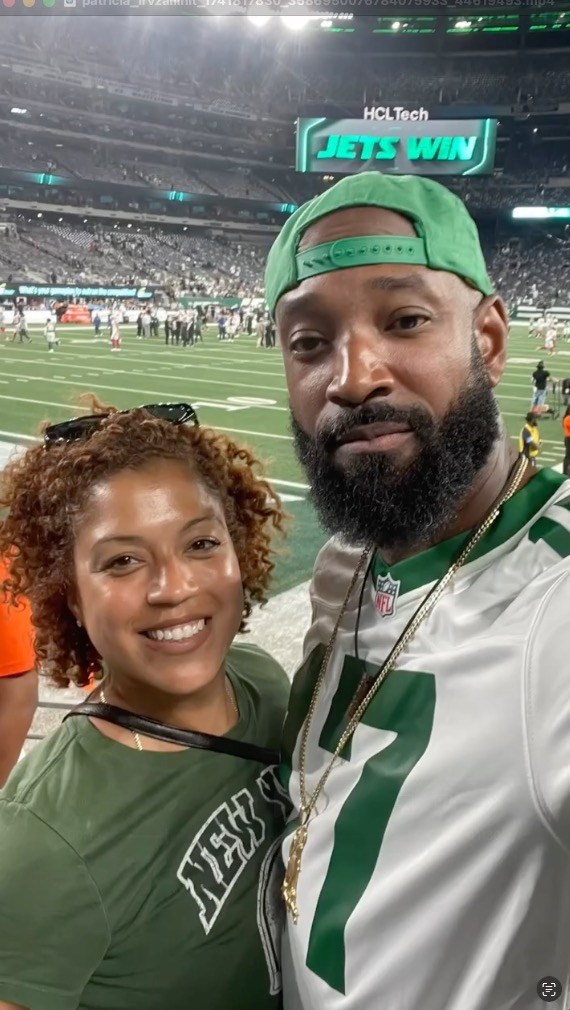
Those close to the Irvine family said his loved ones are struggling to process Romero’s release while simultaneously making funeral arrangements for the slain utility worker. The contrast between the two men’s fates — one dead on a busy bridge, the other freed on bail — has compounded their grief.
Romero’s employment with QVT Financial ended the moment of his arrest, though the firm has not publicly addressed whether it was aware he was carrying a firearm while on duty as a corporate driver. The Range Rover itself became evidence in a homicide investigation rather than returning to the company’s fleet.
The Manhattan District Attorney’s office has not clarified its rationale for the manslaughter charge, leaving a vacuum that defense attorneys and critics of the decision have filled with competing theories. What remains undisputed is the sequence of events: a near-collision, an alleged chase, a single gunshot through glass, and a driver left bleeding on one of the nation’s most heavily trafficked crossings.
Romero is due back in court on Tuesday, court records show.