


Cornell faculty will conclude debate and open voting Wednesday on a no-confidence resolution targeting President Michael Kotlikoff.
The vote, running through Nov. 6, follows a closed Oct. 14 Faculty Senate meeting where members confronted Kotlikoff, 73, over the university’s response to a woman’s report that she was gang raped at a Chi Phi fraternity house in October 2024. Electronic ballots will be anonymous, and the result carries no binding power over the trustees who ultimately control leadership decisions.
Kotlikoff became interim president in July 2024 and took the permanent role last year. He has already weathered a dining and custodial workers strike, criticism for paying $60 million to settle Trump administration civil rights investigations, and activist accusations that his administration stifled campus protests.
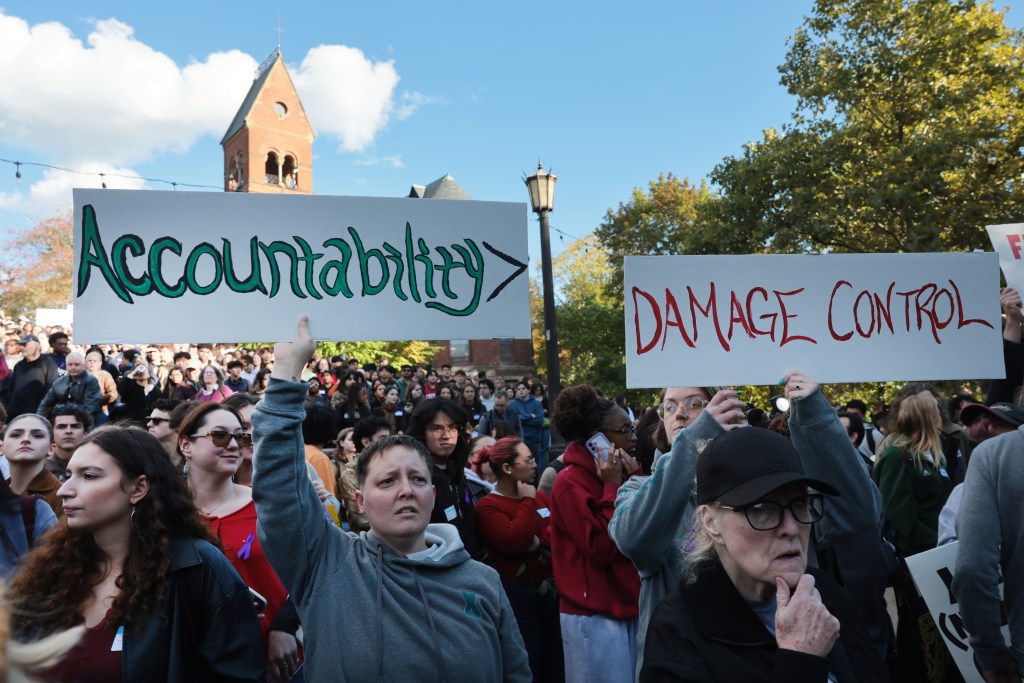
The woman, identified in court documents as Jane Doe, sued last month alleging seven Chi Phi members sexually assaulted or exploited her. All seven men have denied her allegations. Cornell police referred the case to the local district attorney, who declined to pursue charges, stalling the criminal investigation.
In an interview, Kotlikoff said he never followed up to learn what had happened to the woman or the criminal investigation. At the Oct. 14 meeting, a faculty member pressed him on whether he had read the Cornell Police Department’s report.
“I really reject the idea that I had no interest in it or was not concerned about it,” Kotlikoff said.

He acknowledged he had not read the report, explaining that the investigation was confidential and university policy bars top administrators from involvement in criminal probes. Kotlikoff defended his leadership and urged patience for reforms and cultural changes in student social life, pointing to an independent investigation into the university’s handling that he said could produce meaningful change.
“Replacing a president would harm Cornell’s reputation,” Kotlikoff said.
Faculty also challenged Cornell’s handling of a disciplined student’s return to campus, specifically his assignment to a shared dorm room with a roommate who had not been informed of his disciplinary history. After Kotlikoff left the Oct. 14 meeting, multiple faculty speakers stated they had lost confidence in the administration’s ability to combat sexual assault on campus.

Some Faculty Senate members cautioned that rushing to a no-confidence vote would do little to solve underlying problems. Wednesday’s meeting is scheduled for 3:30 p.m. And will be closed to the public and media, with electronic voting opening afterward.

The case emerged after Jane Doe reported the October 2024 incident, leading to the stalled police investigation and her subsequent lawsuit alleging Cornell mishandled her complaints. The no-confidence measure channels broader faculty frustration into a formal challenge to Kotlikoff’s continued leadership.
Wednesday’s meeting will begin at 3:30 p.m. In Ithaca, New York.