

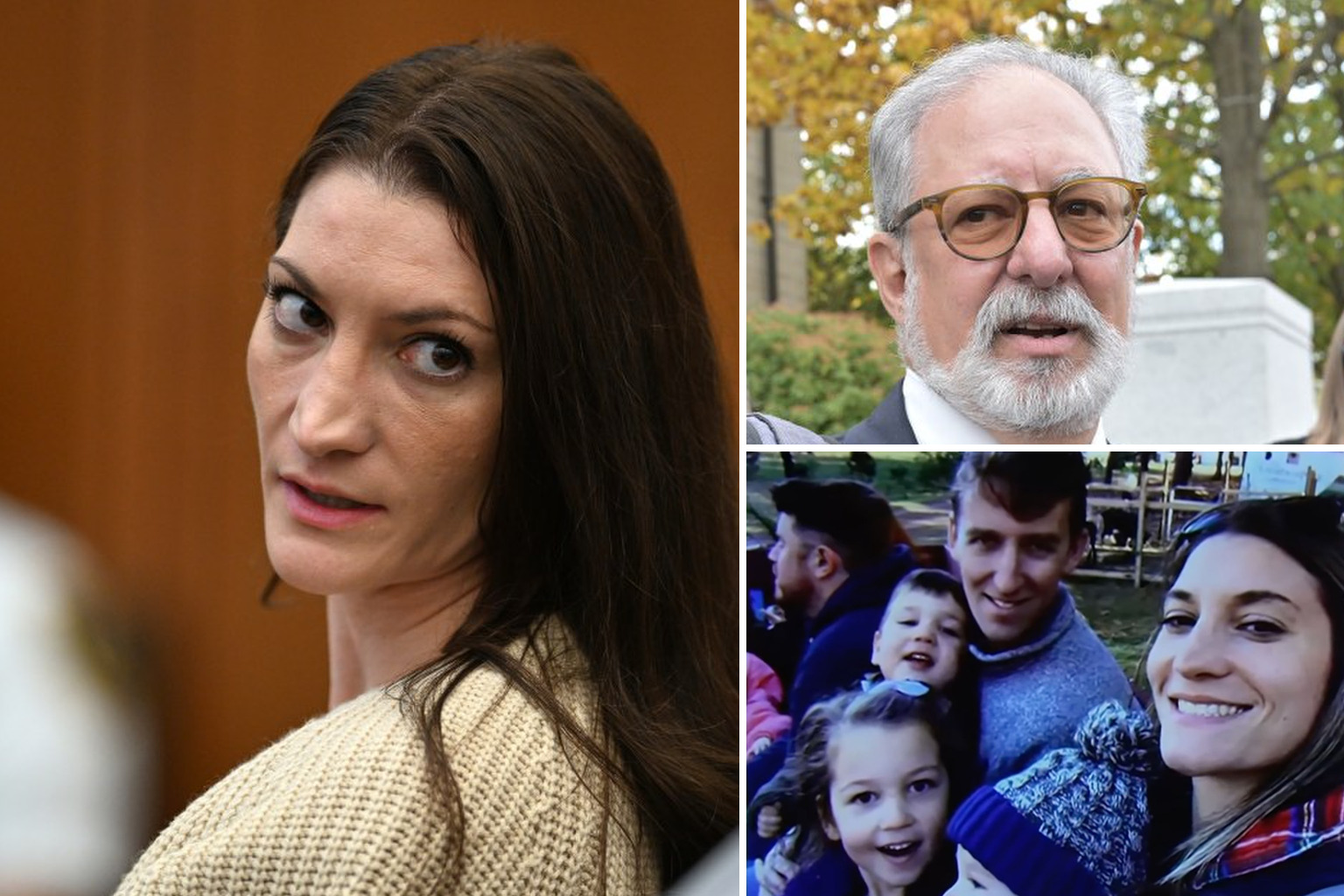
Lindsay Clancy is expected to take the stand in her husband’s wrongful death lawsuit against her doctors once her own criminal case concludes.
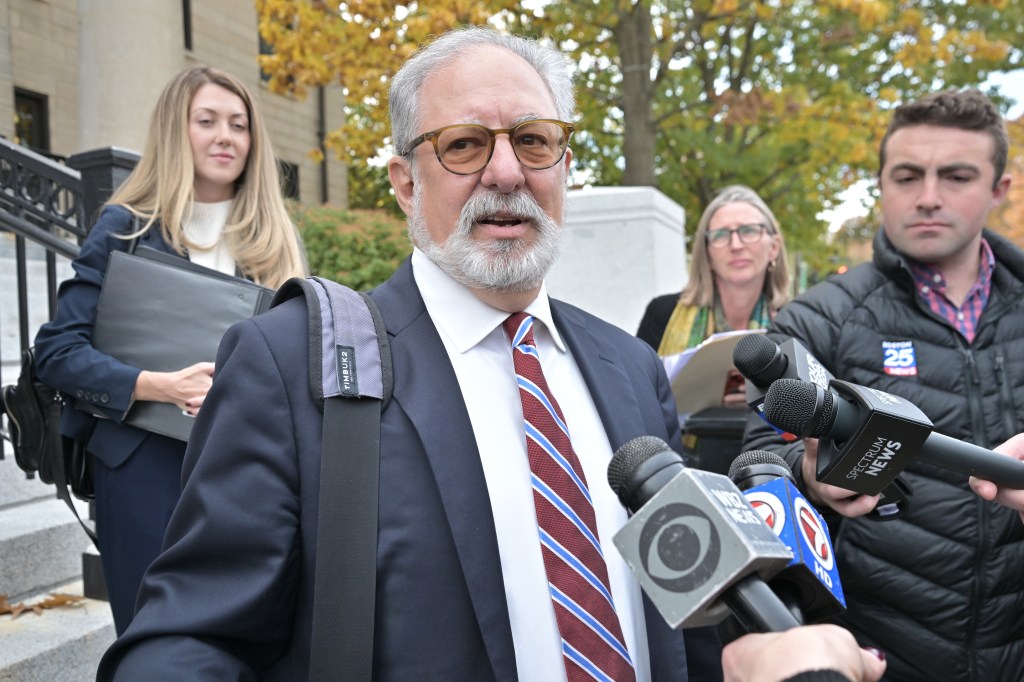
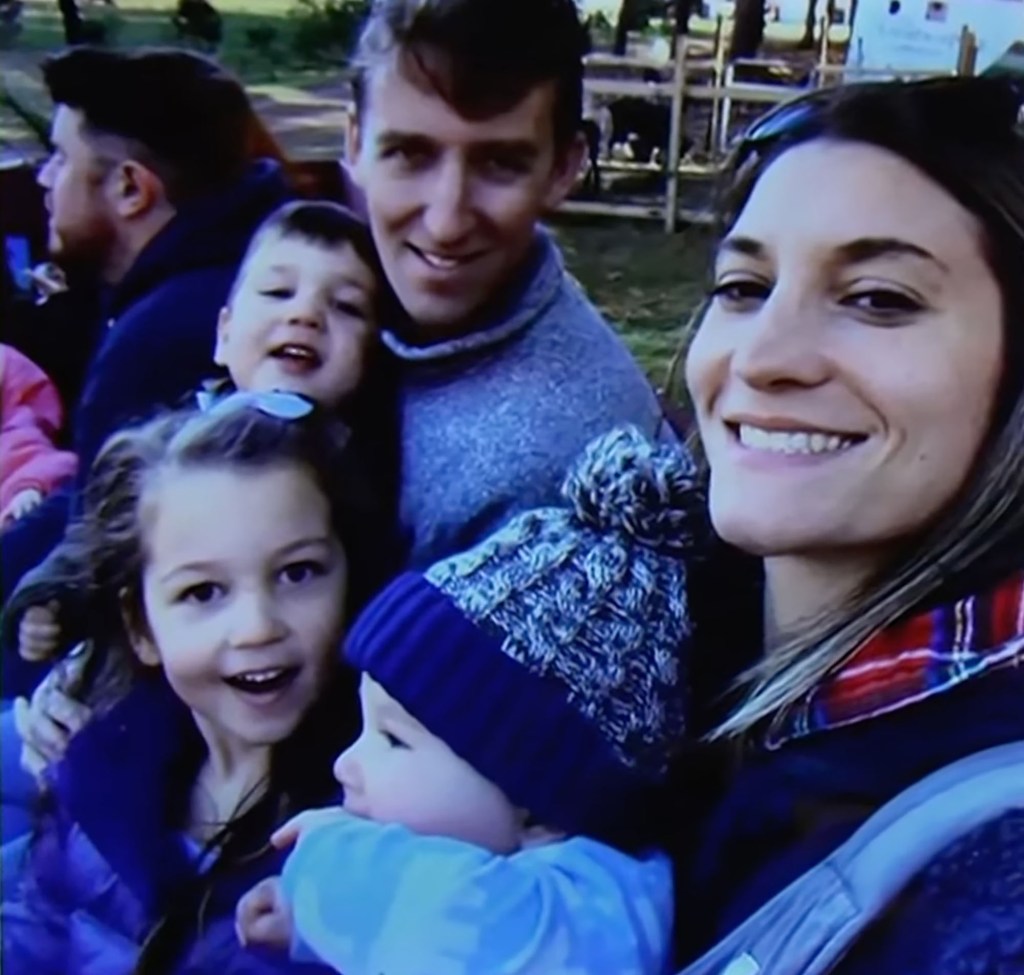
Patrick Clancy, the Massachusetts father whose three children were killed, has brought a civil suit targeting the healthcare providers who treated his estranged wife. His attorney, Howard Cooper, laid out that roadmap during recent proceedings, making clear that Lindsay Clancy’s testimony is central to the husband’s claims even as she faces murder charges herself.
Cooper said he expects Lindsay Clancy to testify in Patrick’s wrongful death lawsuit once her criminal case for strangling their three kids wraps up.
The lawyer painted a stark picture of what she would say on the stand. “Once her 5th Amendment issues are resolved one way or the other, she will testify that she told these defendants explicitly that she had homicidal ideation [and] that she was worried about something awful happening to her kids,” Cooper said.
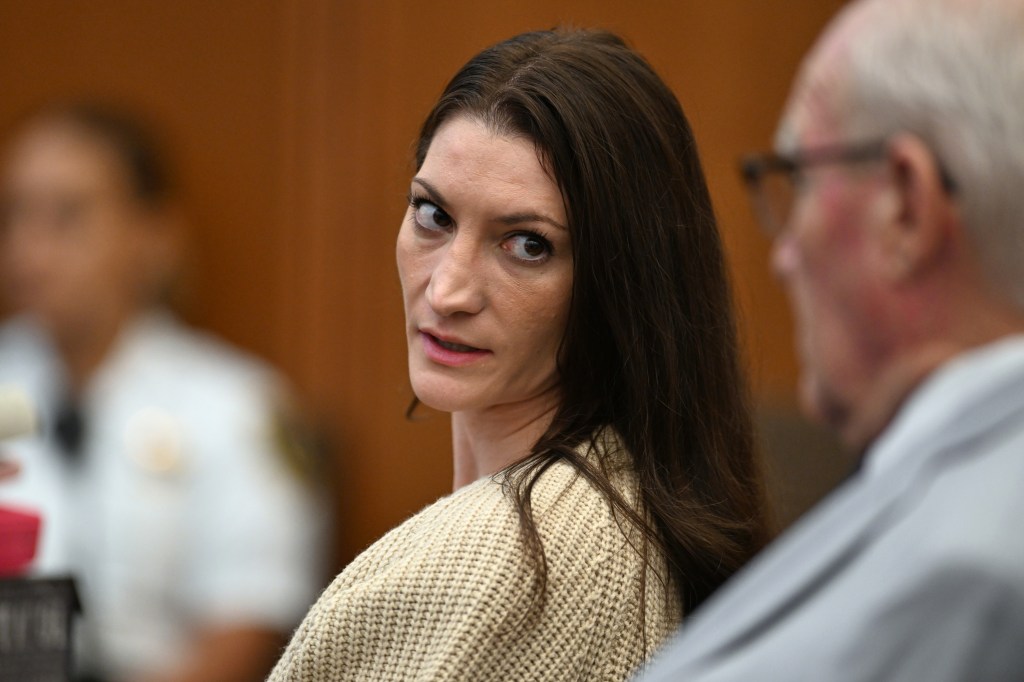
Cooper did not hold back in assessing the weight of that alleged warning. “I can’t imagine a more explicit threat,” the lawyer said. He pushed back against what he described as an impossibly high bar set by the other side. “Defendants seem to think that you need to have a date, time, place and manner that the threat is going to be delivered.”
The healthcare providers’ defense team struck a different note earlier in the arguments. They contended there was no evidence Clancy ever told them she thought about hurting the kids, a direct contradiction of the testimony Cooper previewed.
The providers are also leaning on legal shields. They are claiming her providers are protected by legal immunity that covers doctors, nurses and hospitals, a defense that could wall off the civil claims regardless of what Lindsay Clancy might say.
The dual-track legal saga has put the same woman at the center of both a criminal prosecution and a civil case where her words could damage the very doctors who once treated her. Cooper’s statements suggest her husband’s legal team believes her accounts to those providers were specific enough to trigger a duty of care that went unheeded.
The criminal case against Lindsay Clancy involves the strangulation deaths of the couple’s three children, an act that has drawn national attention to questions of maternal mental health, psychiatric care standards, and legal accountability in family tragedies. The civil lawsuit runs parallel, targeting the institutions and individuals who had contact with her before the killings.
How the criminal resolution affects her availability for the civil case remains tied to Fifth Amendment protections against self-incrimination. Cooper’s remarks acknowledged that hurdle, noting those issues must be “resolved one way or the other” before she can speak in the wrongful death matter.
The immunity defense raised by the healthcare providers adds another layer of complexity. Even if Lindsay Clancy testifies that she gave explicit warnings, the doctors, nurses and hospitals may still seek dismissal based on statutory protections rather than factual disputes.
Cooper’s framing of the case suggests his team will argue that homicidal ideation expressed to medical professionals should have triggered intervention, regardless of whether it came with a specific plan. The gap between what patients say and what providers document has emerged as a fault line in the litigation.
The criminal trial of Lindsay Clancy is ongoing.