

More than half of young adults now watch television with subtitles switched on, and they are explaining why.
A YouGov survey of 35,753 people found that 53% of Britons aged 18 to 24 use subtitles while viewing TV channels or films, the highest share of any age bracket. The figure stands in sharp contrast to the 55-to-64 demographic, where only 20% do the same.
Participants in the survey offered multiple explanations for the generational gap. Some pointed to poor audio quality on modern productions, citing mumbling performers, rapid-fire dialogue, and thick or unfamiliar accents that make spoken words hard to catch.
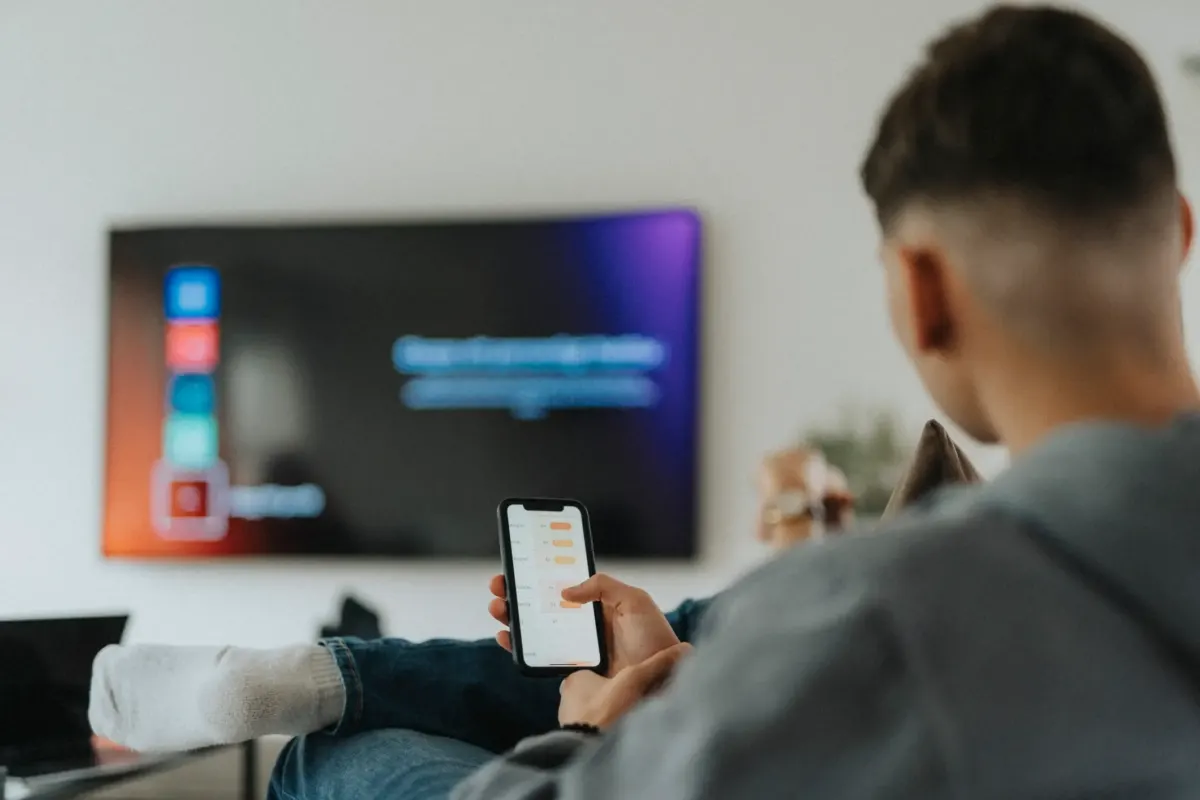
The survey authors noted that housing pressures have also pushed subtitles into wider use. With living costs high, many in Gen Z live in shared houses where noise from roommates and thin walls are constant realities. Keeping volume low or reading along silently helps avoid conflict.
One respondent said the technology has become essential to following increasingly dense storytelling. “Without subtitles, I feel like i miss important information and misunderstand the plot line and story, i would rather understand the movie completely without missing any details.”
The same participant and others noted that today’s viewers face an overwhelming volume of content across hundreds of channels and streaming platforms. Writers and producers compete for attention with intricate, fast-moving plots where a single misheard line can open a narrative hole.
Another survey participant agreed that precision matters. “I also feel like it’s worth mentioning, that some TV it’s like super imperative that you catch every word. If you mis-hear something it can cause a plot hole, so it’s safer to have subs on to make sure you really get what’s happening.”
Medical and neurodevelopmental factors also appeared in responses. Some participants said they rely on subtitles because of ADHD, autism, or auditory processing difficulties. Others mentioned keeping sound down specifically to avoid disturbing neighbors in close-quarters living.
For a subset of viewers, subtitles simply became routine through repeated use.
The phone is another presence in the living room that subtitles accommodate. Multiple respondents acknowledged they want to follow a show while simultaneously looking at their cell phones, letting text fill gaps when their eyes are elsewhere.
The phenomenon has drawn notice from parents and cultural observers puzzled by habits that differ sharply from previous generations. The YouGov data suggests the practice is not isolated but widespread among those who came of age with streaming interfaces and on-demand control.
What began as an accessibility tool has shifted toward general utility for a generation that treats screens as layered, multitasked environments. The subtitle toggle, once associated with hearing impairment or foreign-language viewing, now functions as a standard setting.
The survey was conducted in Britain and published by YouGov.