

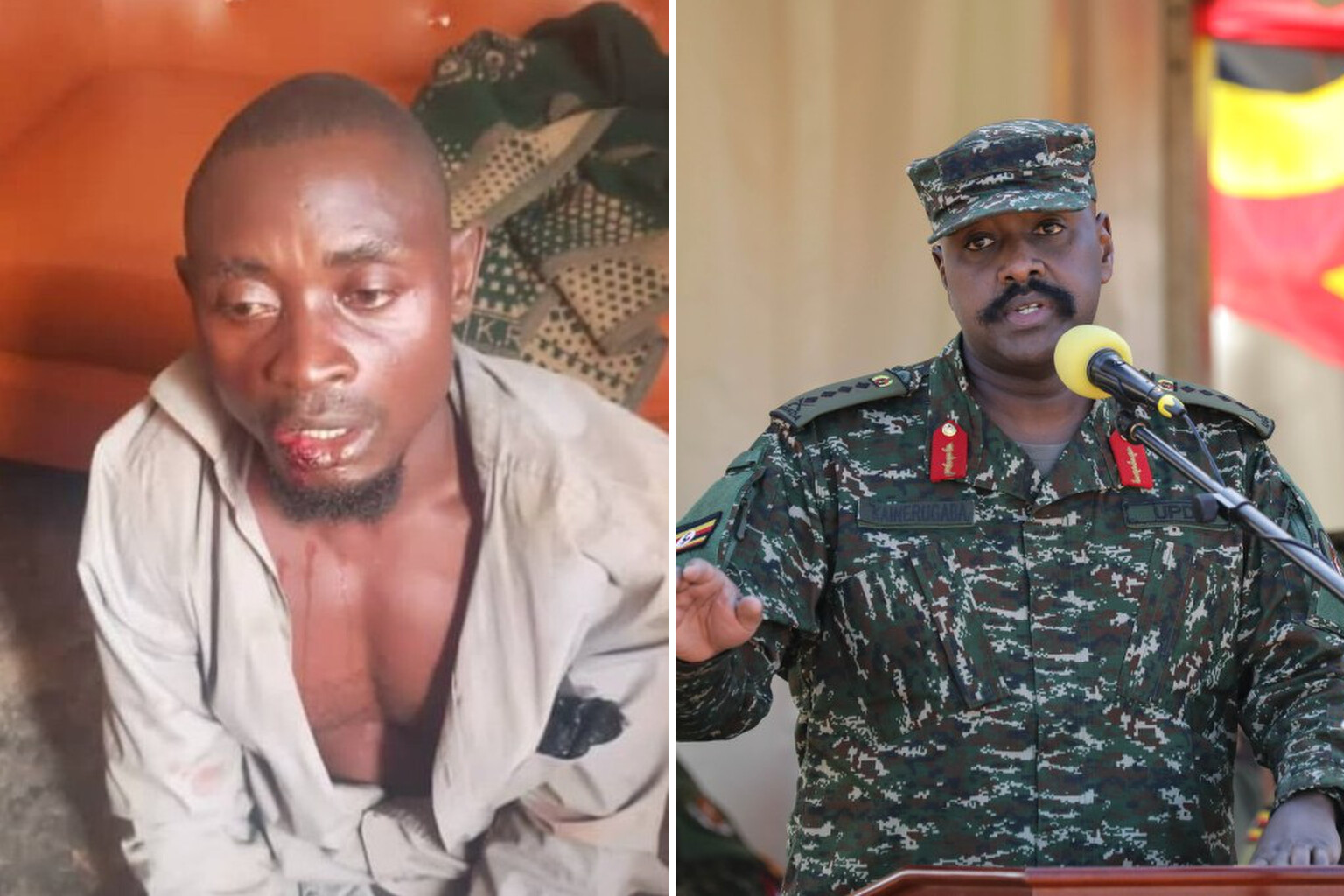
Ugandan authorities have arrested a man accused of killing and eating 38 people during a 15-year spree of violence.
Mujurizi Moses, described by the country’s defense chief as the “worst serial killer and cannibal in Uganda’s history,” was taken into custody by soldiers after years of evading justice through multiple escapes, General Muhoozi Kainerugaba alleged Monday. The alleged crimes span from 2010 to 2025, with victims including a pastor and his family, a witchdoctor, eight of his own relatives, and a 52-year-old woman hacked to death in front of her two grandchildren.
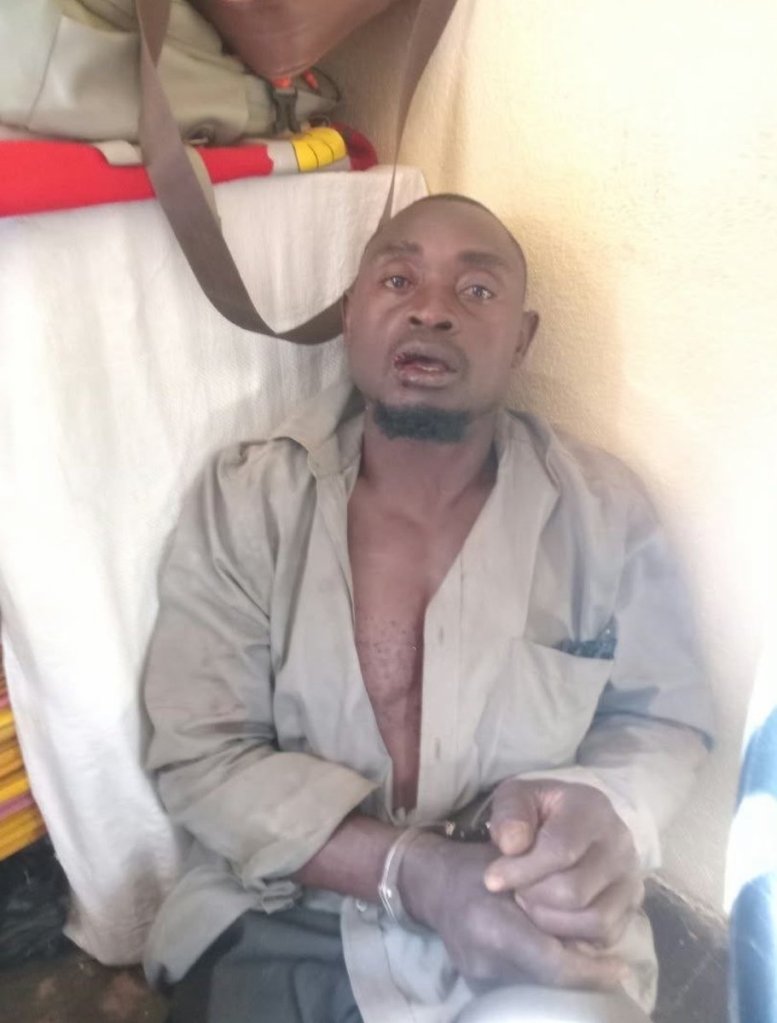
The general did not mince words about the suspect’s fate. “We will try him in public, and definitely execute him,” Muhoozi wrote on X. The defense chief’s statement came as details emerged of a killing pattern that allegedly involved breaking through the walls of family homes, butchering everyone inside, and consuming their body parts.
Mujurizi’s methods reportedly extended beyond random slaughter. Police believe he worked as a contract killer, and he allegedly lured women into romantic relationships before killing them, according to local reports. His latest suspected victims include nine members of a rural church and the elderly villager whose grandchildren survived the machete attack.
The suspect’s history with law enforcement stretches back well before his alleged 2010-2025 rampage. He was arrested in 2009 and reportedly confessed to 17 other murders, according to the Daily Monitor, a Ugandan outlet. But he managed to escape custody by bribing his way out of local lockup with the equivalent of $50 he had concealed on his person, the newspaper reported.
That escape set a pattern that would repeat across the following decade and a half. Mujurizi was arrested three more times over the years, only to slip free each time and allegedly resume killing, the outlet said, drawing from previous media reports. He allegedly worked with accomplices and specifically targeted people who threatened to inform authorities about his activities.

The case has drawn intense attention in Uganda and internationally due to both the scale of the alleged violence and the suspect’s repeated ability to evade permanent detention. The involvement of soldiers rather than police in his latest capture suggests authorities treated his apprehension with heightened urgency.
The general’s public vow of execution reflects Uganda’s continued use of the death penalty for certain crimes, though the country has not carried out judicial executions since 2005 despite courts continuing to hand down death sentences. Mujurizi’s case, if it proceeds as Muhoozi indicated, would mark a significant resumption of capital punishment.
The allegations against Mujurizi include some of the most disturbing details in recent African criminal history: a killer who allegedly consumed his victims, targeted his own family members, and exploited romantic relationships to find prey. The two grandchildren left alive after their grandmother’s killing may prove crucial witnesses as prosecutors build their case.
Ugandan authorities have not yet announced a trial date for Mujurizi, and it remains unclear whether his alleged accomplices have also been apprehended.