

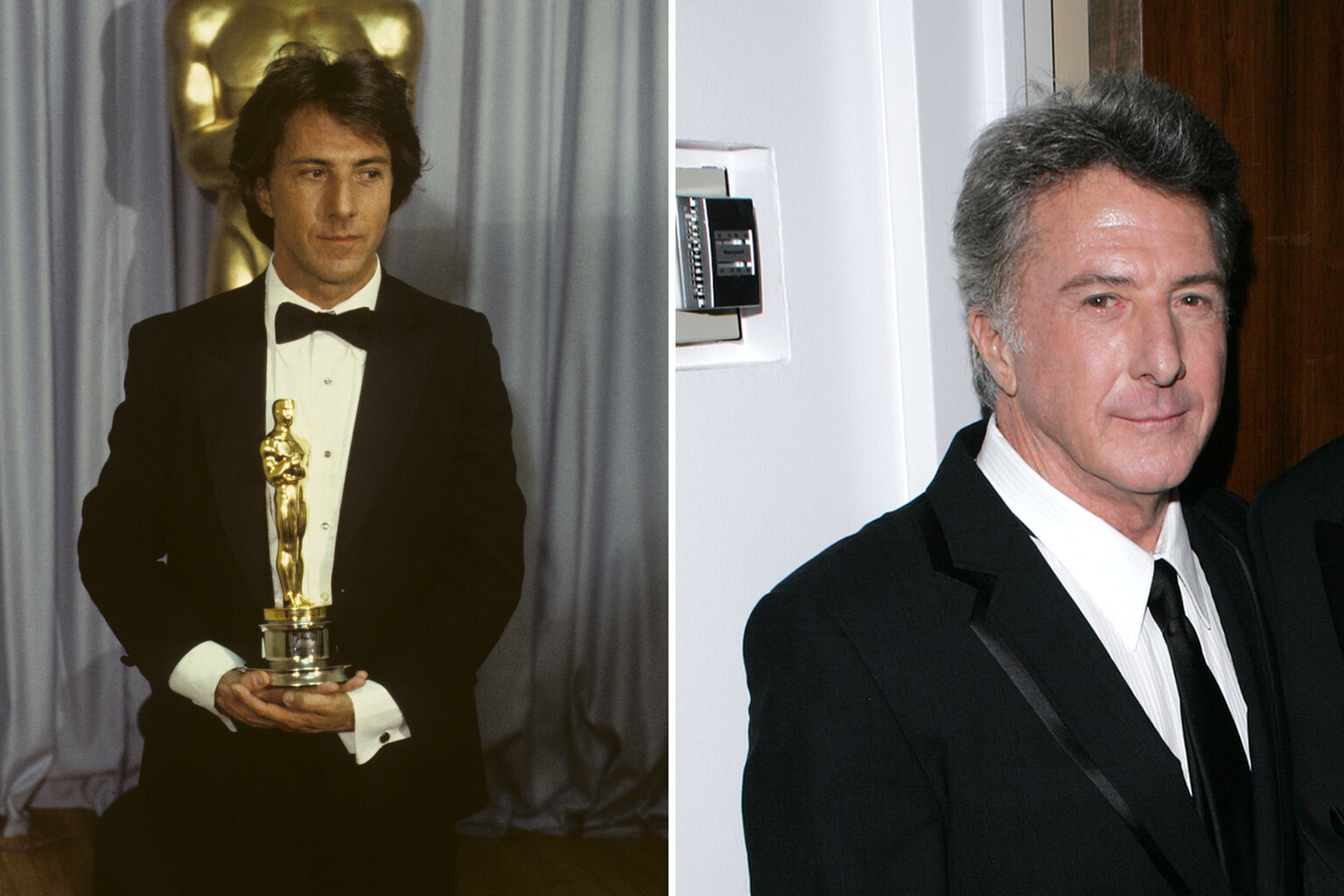
Dustin Hoffman has revealed that making “The Graduate” left him in a state of constant anxiety and nearly drove him from acting altogether.
The 89-year-old actor, in an excerpt from his upcoming memoir “Look at Me” obtained by the New Yorker, recalled that director Mike Nichols seemed to become “an entirely different person” once cameras started rolling in 1967. Hoffman described the switch from “wonderful” to critical as “shocking” and “destabilizing.”
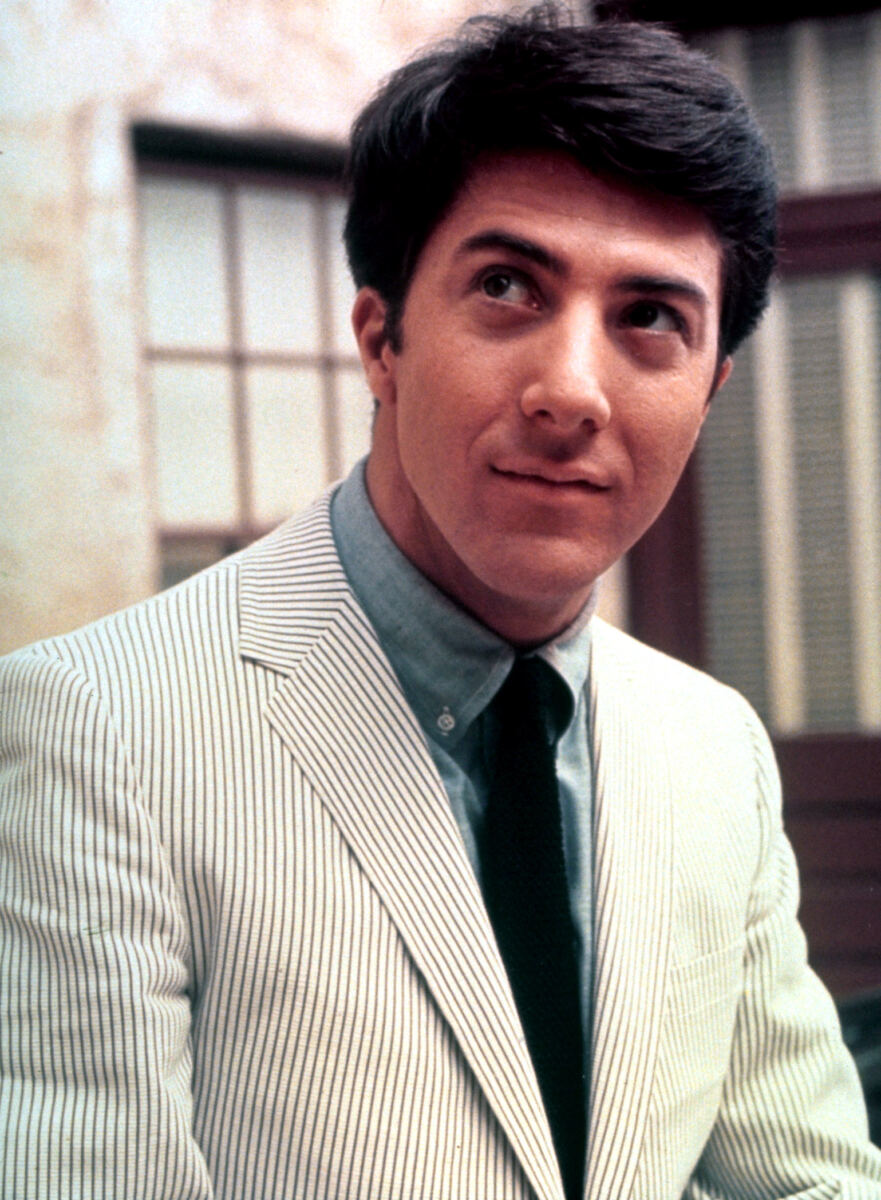
Hoffman found himself trapped in self-doubt throughout production. He recalled, “The whole time, I felt Mike was angry at me, either because I was doing something wrong or because he had realized what everybody else already knew, that he had miscast the lead in his film.”
The actor’s fears were not unfounded. Theatre director Ulu Grosbard visited the set and later told Hoffman that Nichols was “very much” regretting hiring him to play Benjamin Braddock. At the time, Hoffman felt like he never wanted to “make another movie again for the rest of [his] life.”
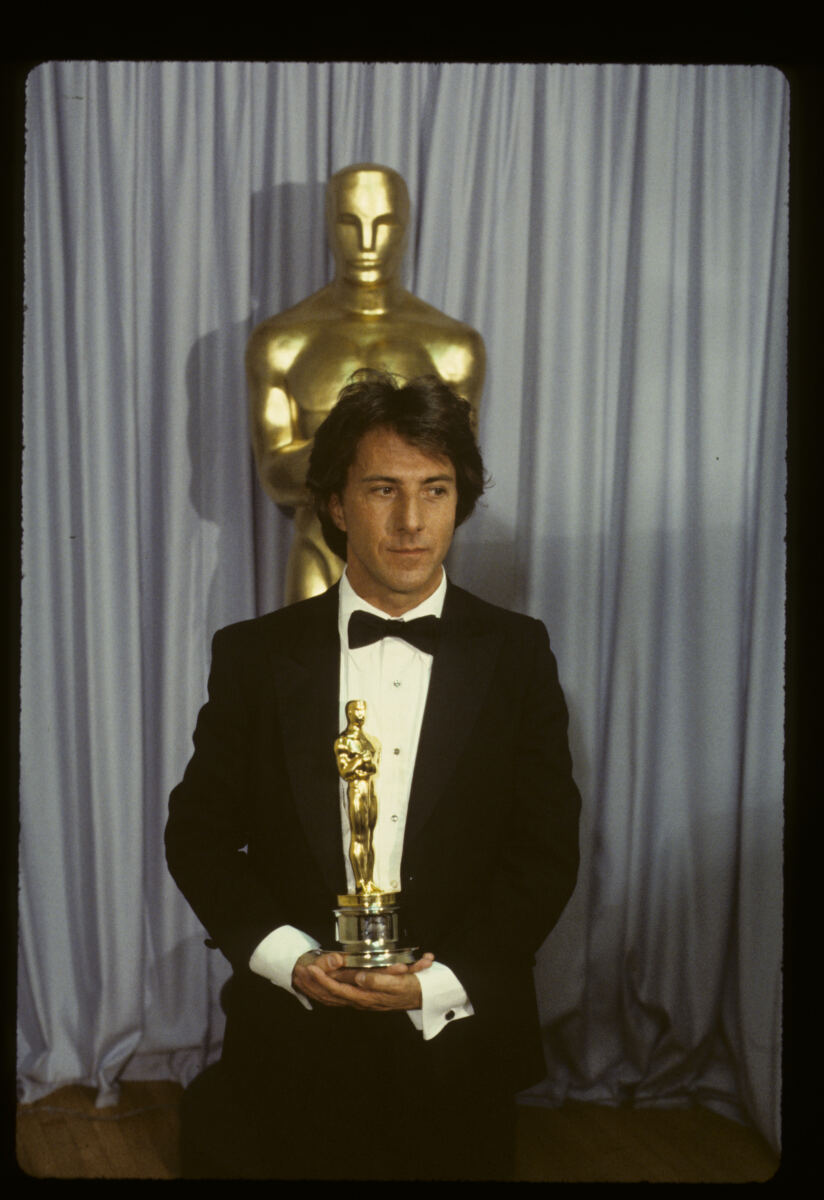
Nichols delivered harsh notes that cut to Hoffman’s physical appearance. The director criticized his eyebrows and complained that his “neck look[ing] too thick.” Hoffman remembered the director’s mood swings vividly: “His mood would shift dramatically. I don’t remember the scene, but I will never forget Mike’s acid voice saying to me, after one take: ‘What were you doing?’ … Do the opposite of that.'”
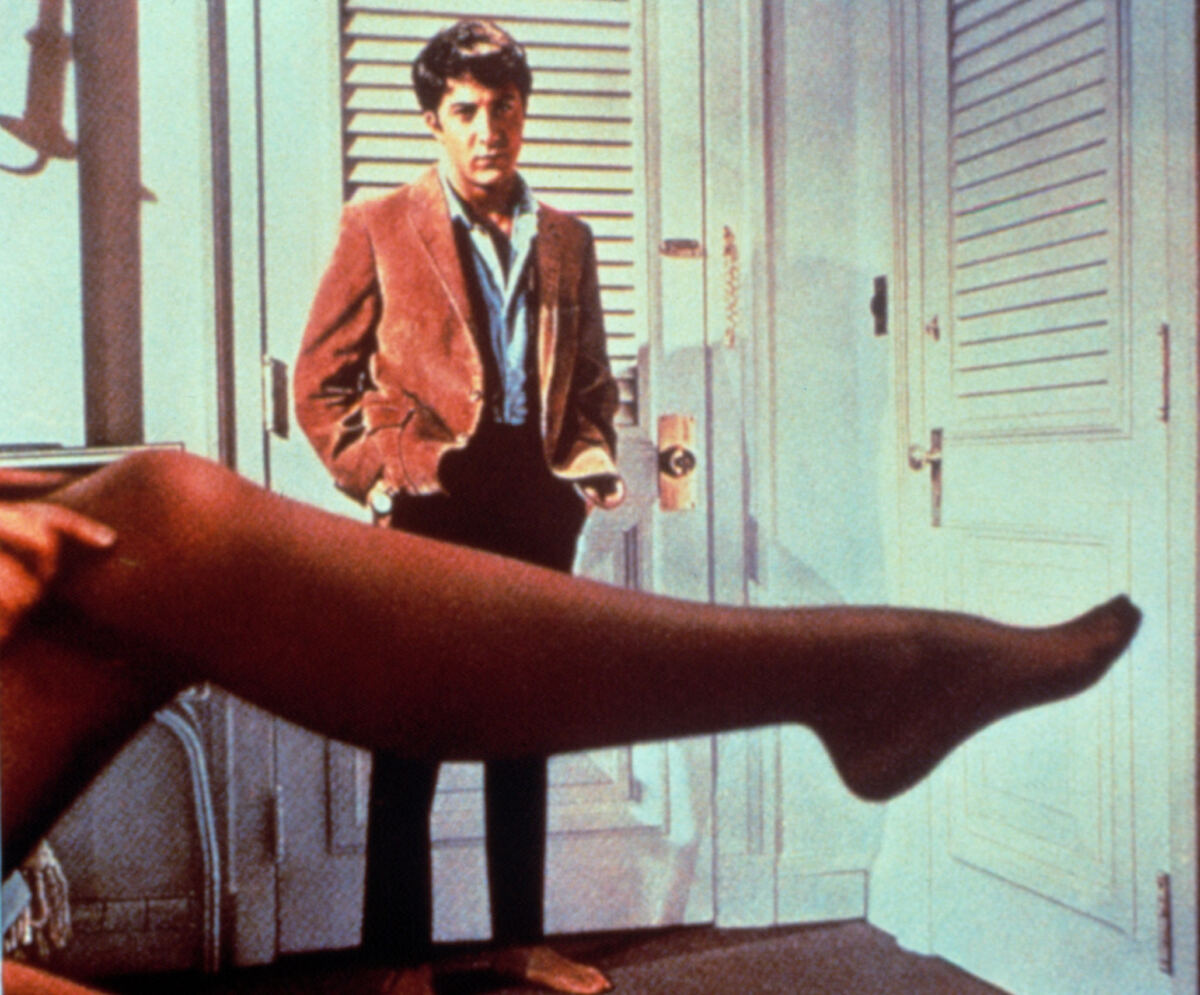
The psychological pressure took a physical toll. Hoffman recalled doing scenes that left him “trashed from exhaustion and dehydration.”
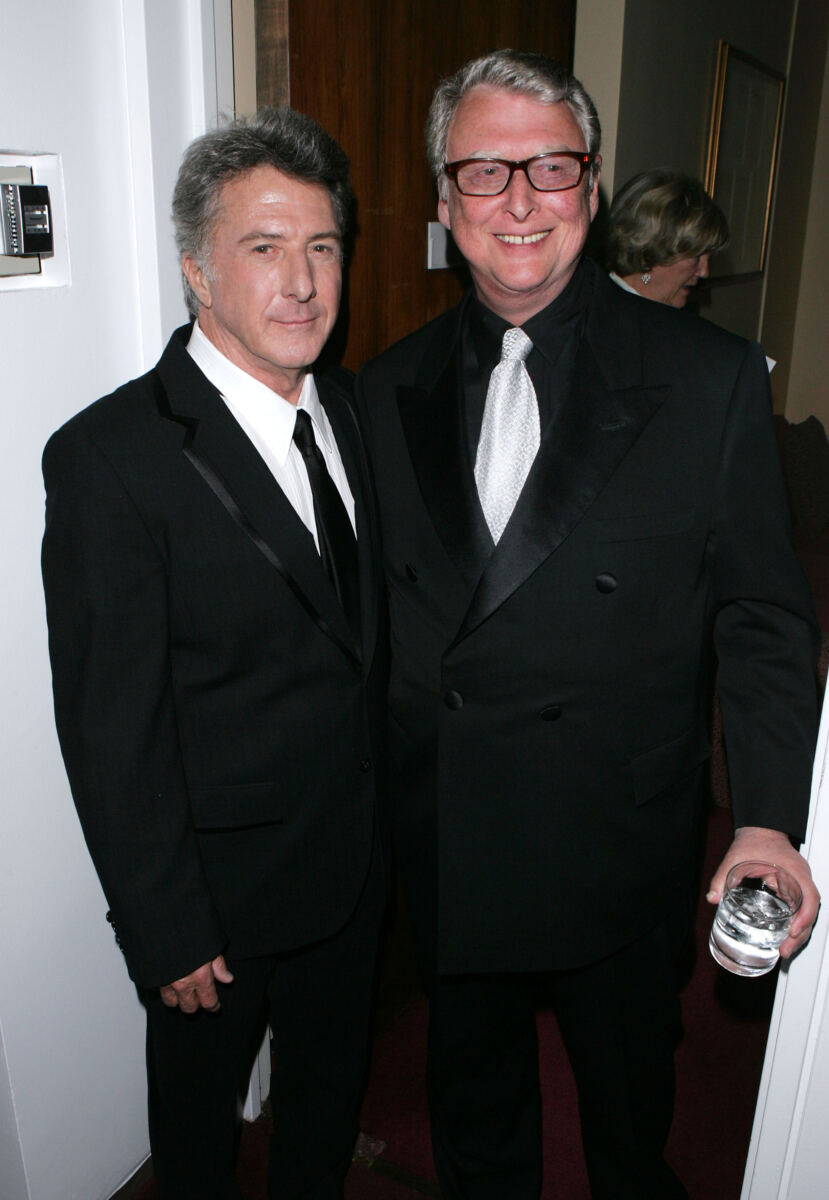
Despite the ordeal, “The Graduate” became a defining film of its era. The story of Braddock’s affair with family friend Mrs. Robinson, played by Bancroft, earned Nichols an Oscar for best director in 1968 and scored Hoffman his first of seven Academy Award nominations, plus a Golden Globe win.
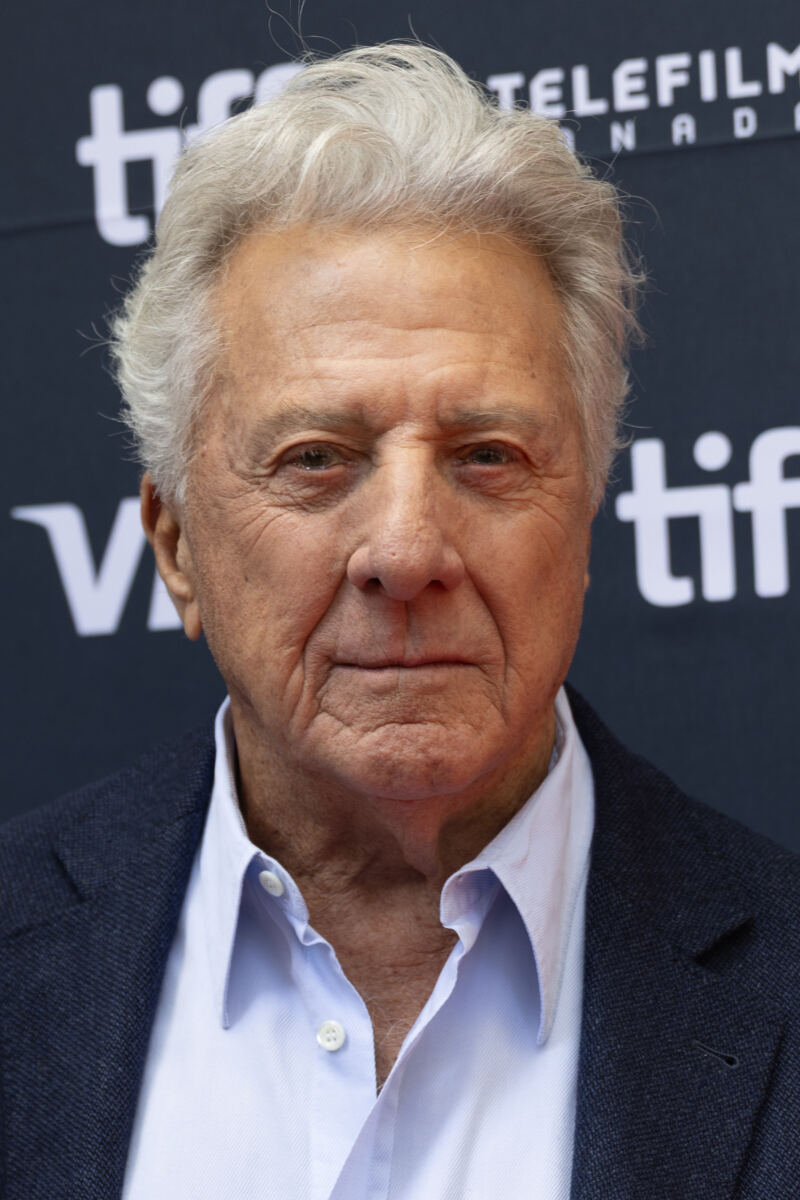
Hoffman now sees the film through a different lens. He dubbed “The Graduate” a “self-portrait” of Nichols’s life, calling the project a “stand-in … to absorb Mike’s self-loathing.” The actor noted that Nichols himself had once said it was his “unconscious making that movie.”
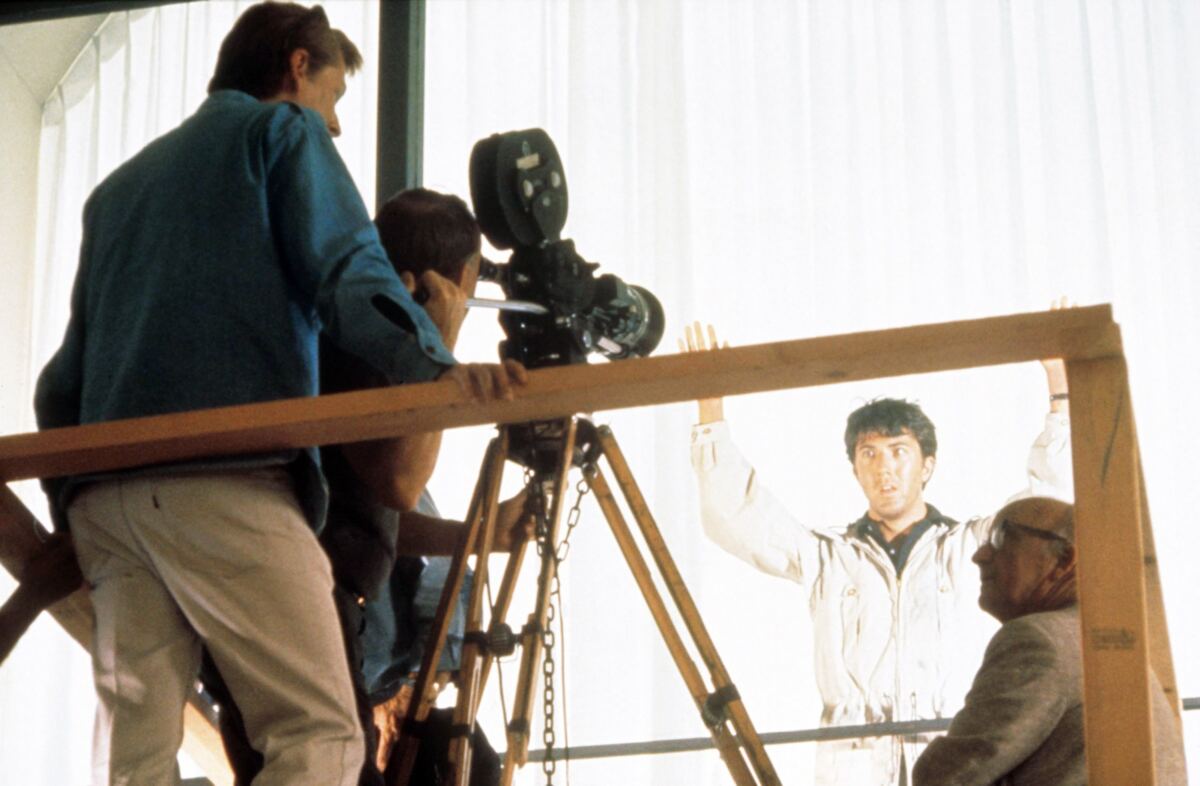
Nichols, an EGOT winner, died in 2014 at 83. Hoffman has had nearly six decades to process the experience before putting it on the page.
The memoir’s title, “Look at Me,” takes on added resonance given Hoffman’s description of feeling scrutinized and found wanting throughout production. He wrote that he “often [felt] like he was about to be fired,” a precariousness that defined his time on set.
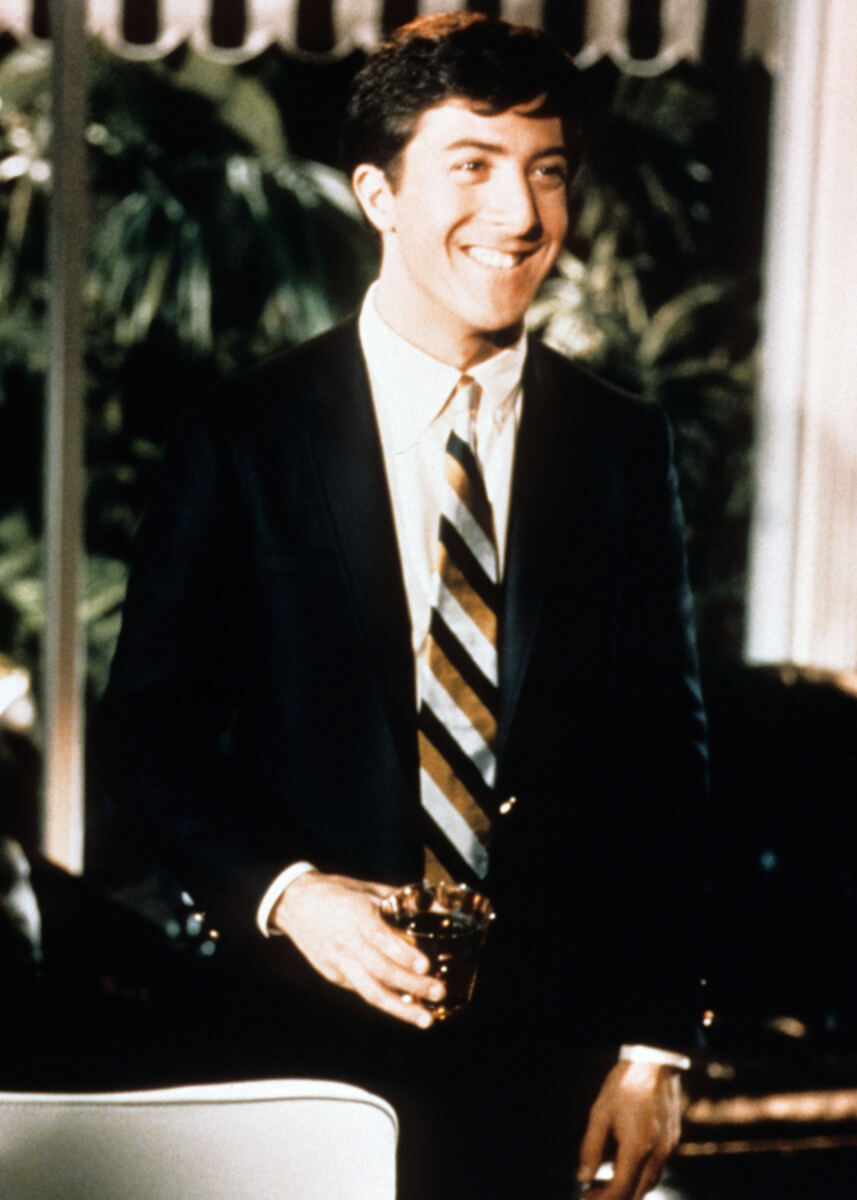
“Look at Me” hits bookshelves Nov. 10.