

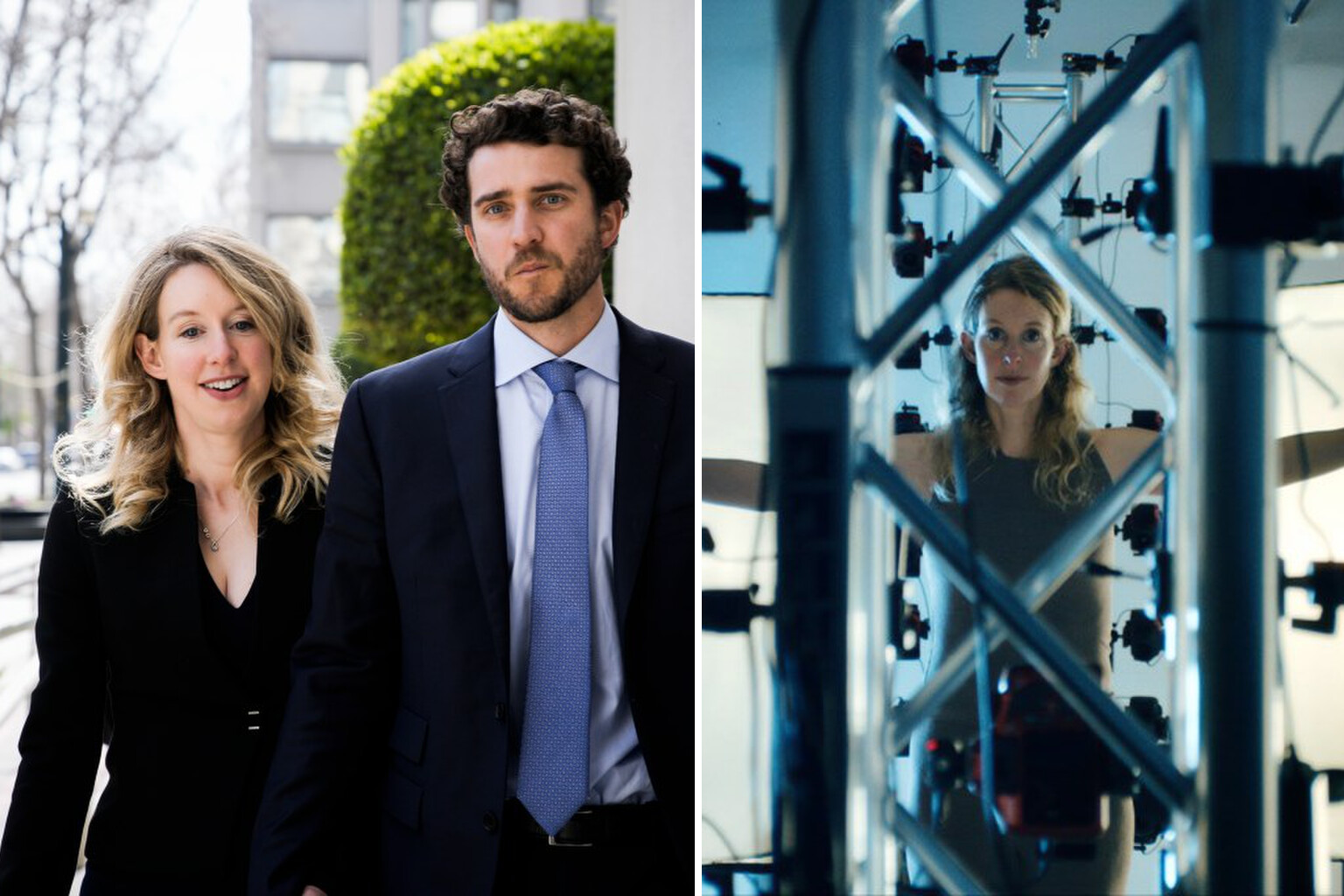
Billy Evans has publicly wished Jonah Hill had been cast as him in the hit documentary “You Can See Everything.”
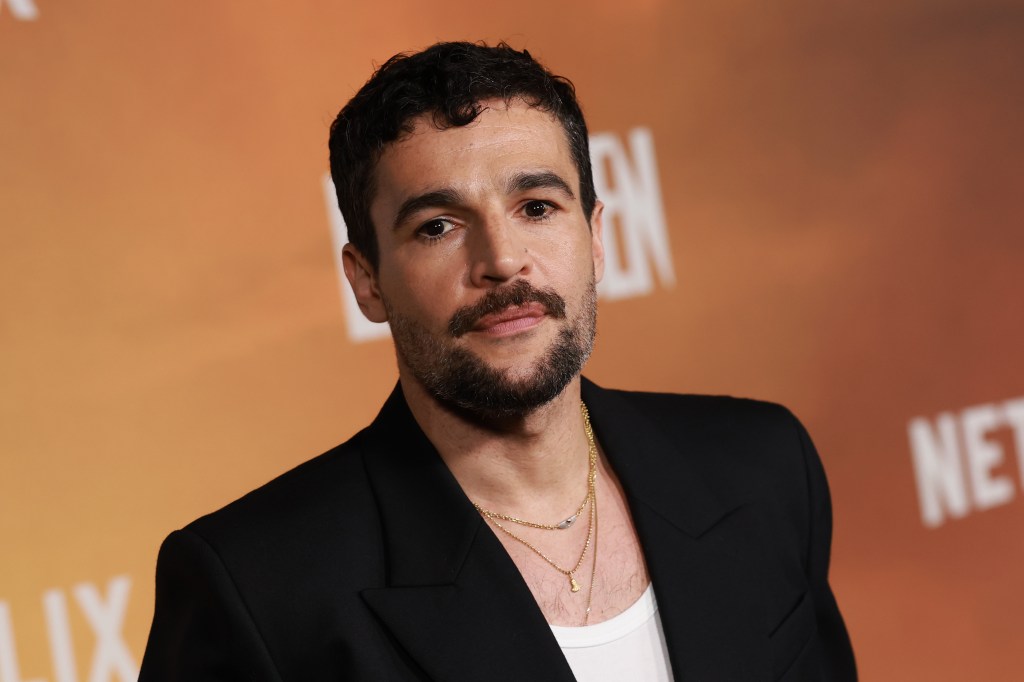
The 34-year-old hotel heir, who is engaged to disgraced Theranos founder Elizabeth Holmes, made the admission during a Q&A on X when a fan asked whether he thought Christopher Abbott, the actor who portrays him in the A24 film, was “miscast.” When another user replied “shoulda been jonah hill,” Evans quickly agreed.
“I agree,” he wrote, posting alongside a gif of Hill in “The Wolf of Wall Street.”
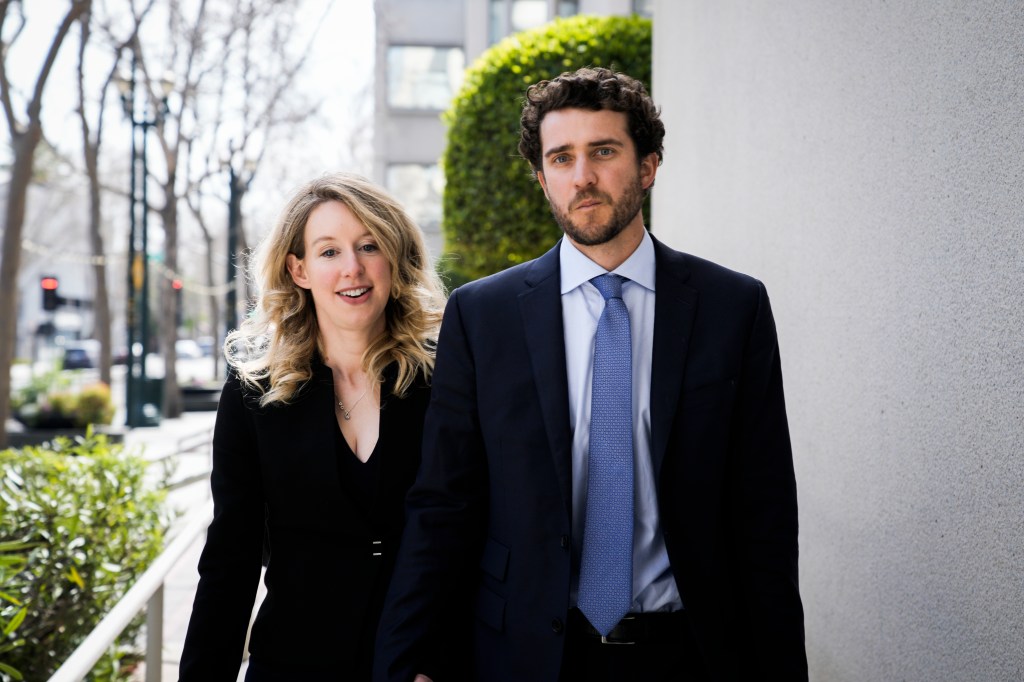
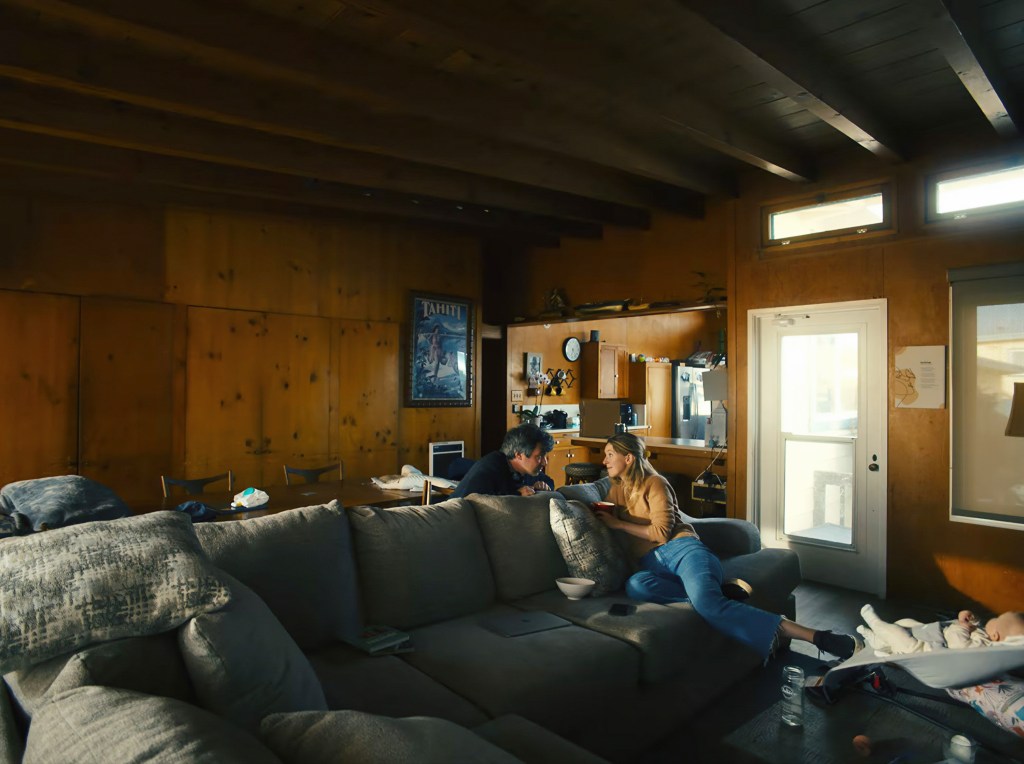
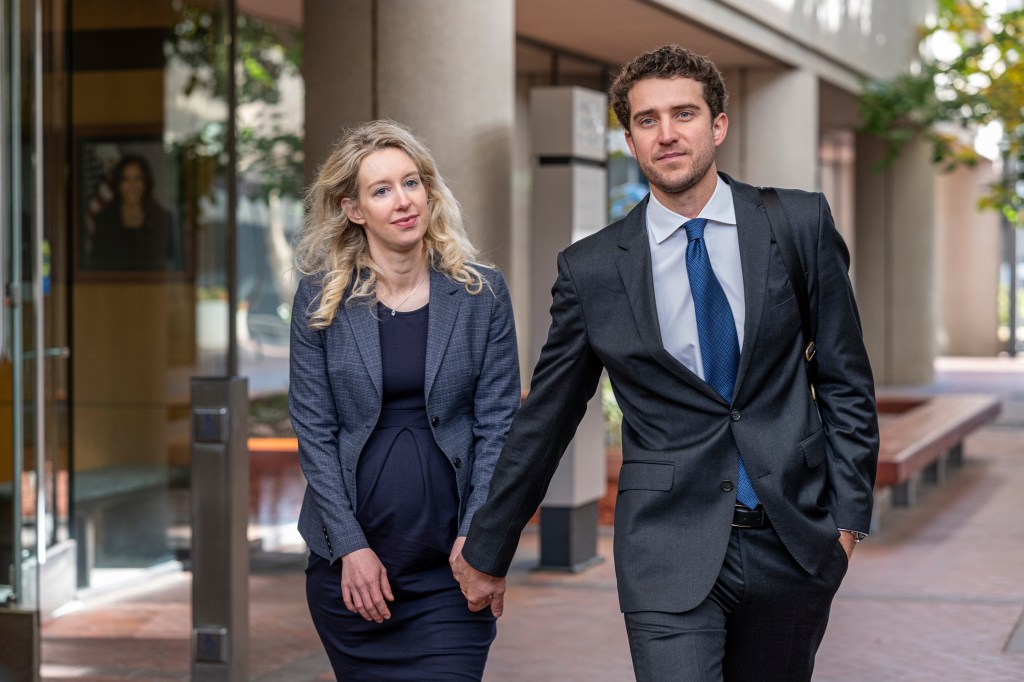
Abbott, 38, appears opposite Amanda Seyfried, who plays Holmes, in reenactments threaded throughout the Nathan Fielder and Lance Oppenheim-directed project. The film follows Holmes during the 34 days leading up to her prison sentence for fraud, capturing her life at home with Evans before her incarceration.
Fielder, who also appears on camera, questions whether the former Silicon Valley darling is genuinely opening up or merely attempting to rehabilitate her public image. After Holmes begins serving her sentence, the filmmakers continue developing the project over three years, incorporating the Seyfried-Abbott reenactments that deliberately blur fact and fiction.

One reenactment in particular has drawn heavy scrutiny, depicting Evans pushing filmmakers for a share of the documentary’s profits. The scene painted him as the “villain” to many viewers, though producers clarified before the credits rolled that he ultimately surrendered any claim to earnings.
That portrayal may have stung deeper than initially apparent. Last month, the outlet Hollywood exclusively reported that Evans has been seeking legal representation and contacted high-powered attorneys about potentially securing a cut of the film’s earnings. An insider said Evans believed he was entitled to a percentage of profits, which he might donate to charity. It remains unclear whether he intends to pursue formal legal action.
Evans has otherwise been candid about his discomfort with the project. During an Oct. 14 appearance on the “All-In” podcast, he admitted Holmes “looks insane” in the documentary’s trailer.
“It’s pretty intense, especially the music,” he said, revealing that he had not yet watched the film.
“There’s definitely concern, but ultimately it’s our decision,” he added.
The unconventional documentary has become a box-office phenomenon, grossing $64.9 million worldwide against a reported $7 million production budget. Its commercial success has only intensified scrutiny of how its subjects are portrayed and compensated.
Evans’ preference for Hill, known for comedic and dramatic roles including his Oscar-nominated turn in “Moneyball” and his performance alongside Leonardo DiCaprio in “The Wolf of Wall Street,” suggests he may have wanted a different tonal approach to his on-screen depiction. Hill has built a career playing characters who blend vulnerability with moral complexity, a stark contrast to Abbott’s more straightforward dramatic interpretation.
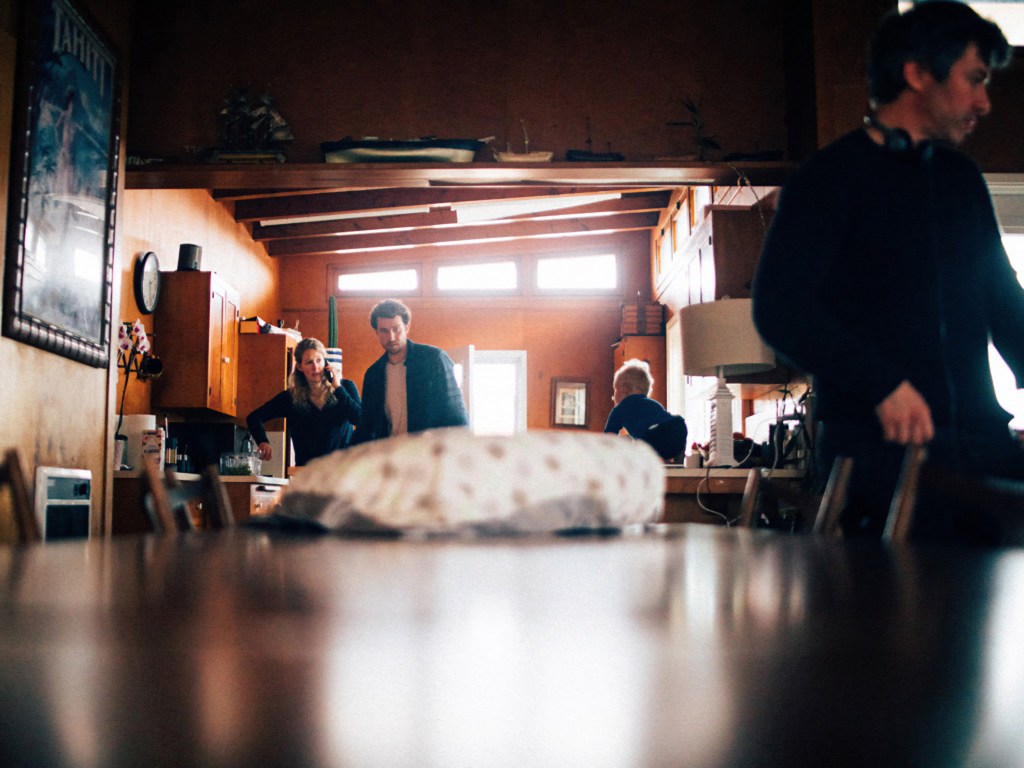
The casting debate highlights the unusual nature of “You Can See Everything,” which employs Hollywood stars to recreate scenes from its subjects’ lives while those subjects are still living through the aftermath. Seyfried won an Emmy for playing Holmes in the 2022 limited series “The Dropout,” making her return to the role in documentary form particularly meta.
Fielder’s presence as both director and on-camera interrogator adds another layer of performative tension, as he presses Holmes about her motivations while the audience knows she is simultaneously preparing for prison and participating in a film that will shape her legacy.
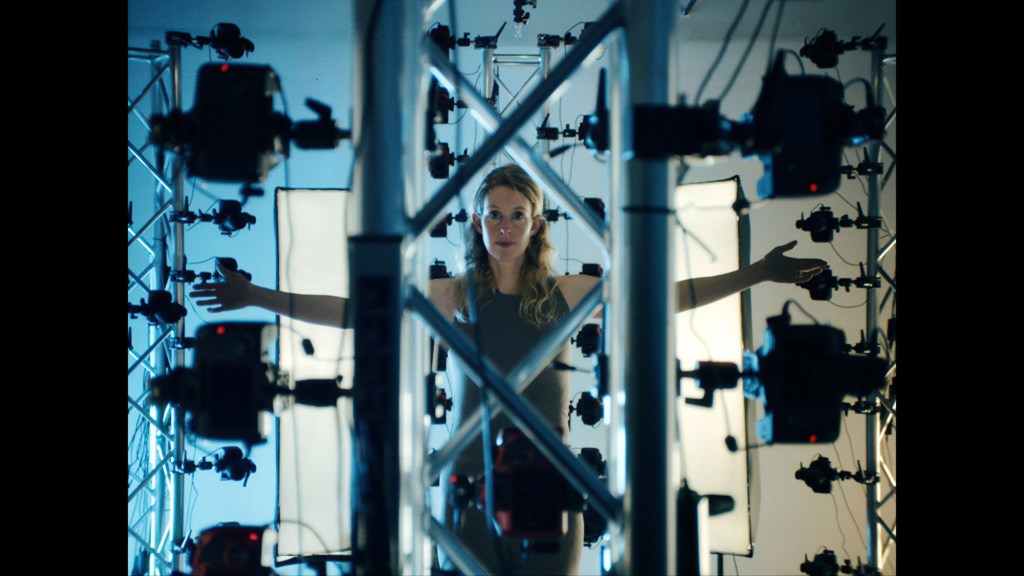
The documentary’s reenactment structure has divided critics and audiences, with some praising its innovative approach to nonfiction storytelling and others finding the technique exploitative. Evans’ public wish for different casting, combined with his reported legal explorations, indicates he has found little comfort in the film’s artistic ambitions.
Whether Evans will eventually watch the documentary he partially inspired remains unknown. His podcast comments suggested he and Holmes were still weighing how fully to engage with the finished product.
“All-In” podcast host Jason Calacanis pressed Evans on whether he planned to see the film, but Evans offered no firm commitment either way.