

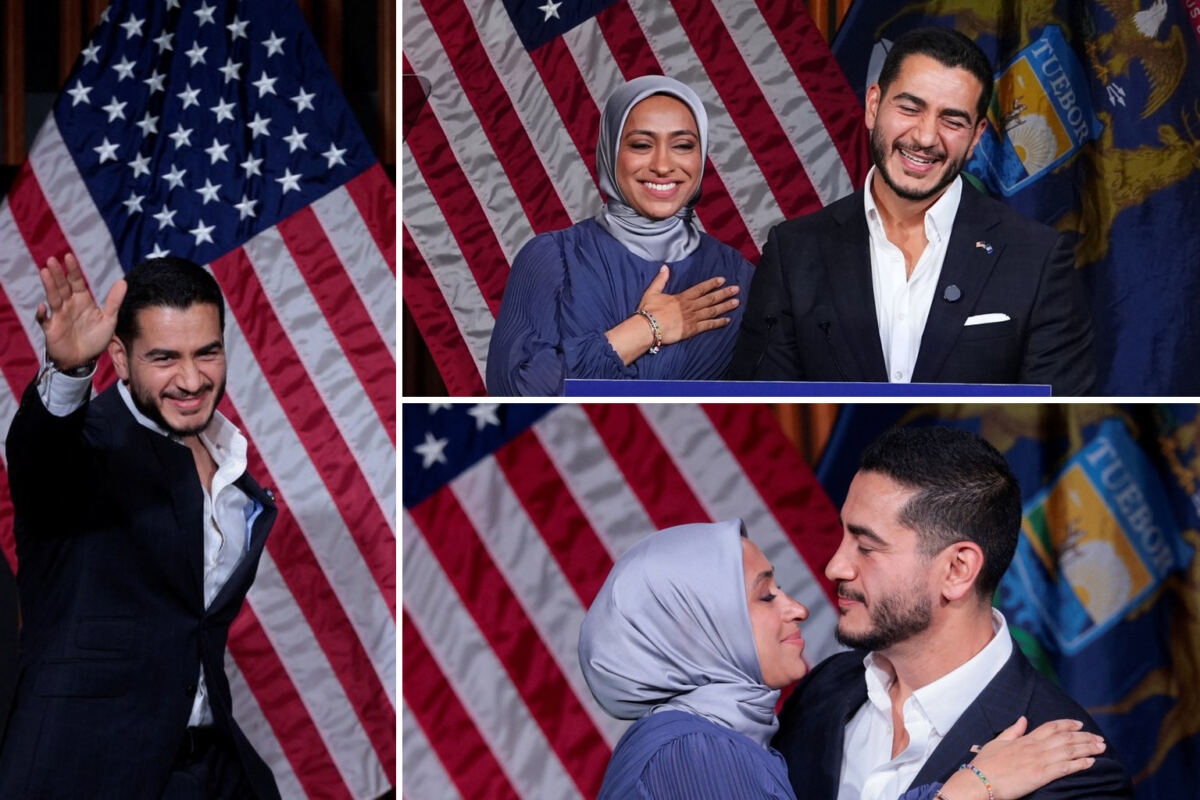
Michigan Sen.-elect Abdul El-Sayed clapped back at President Trump and his allies during a victory speech that a body language expert says devolved into a taunt-fest against “perceived enemies.”
El-Sayed, who defeated Republican Mike Rogers in one of the most bitter Senate races of the 2026 Midterms, will become the first Muslim to serve in the upper chamber when he takes office in January. Dr. Lillian Glass, a behavioral analyst who has served as an expert witness in federal and state courts, told The Post that the former public health official began his address projecting pure elation.
“Abdul El-Sayed appeared elated as he celebrated his victory,” Glass assessed. “He flashed a broad, toothy smile, with squinted eyes and raised cheeks, clasped his hands, and leaned backward while laughing repeatedly. He appeared almost literally taken aback by his win. He rubbed his hands together in a gesture of satisfaction and triumph.”
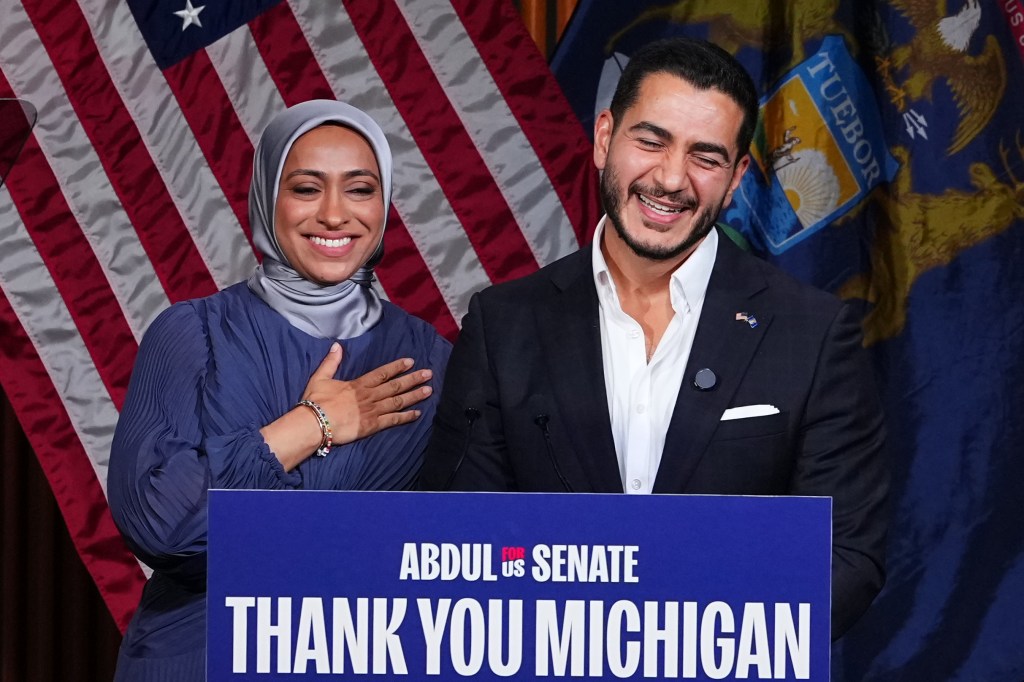
The tone shifted dramatically as El-Sayed moved from gratitude to grievance, Glass observed. After thanking Michiganders for taking “a chance on the unlikeliest of candidates,” he turned his fire on Trump for repeatedly invoking his middle name and calling him “Muhammad” during the campaign.
“JD, there is this delicious irony in the fact that you’re constitutionally obligated to swear me in in January,” El-Sayed fired back, aiming his remark at Vice President-elect JD Vance.
Glass noted that “by the conclusion, this had become less a speech about healing political divisions than a declaration of victory over perceived enemies.” She pointed to physical tells that betrayed his emotional state when he discussed the attacks he faced. “As he discussed these attacks, he licked his lips, a gesture consistent with dry mouth and potentially heightened emotional arousal,” the expert added. “His facial tension and increasingly forceful delivery suggested anger over what he believed had occurred during the campaign.”
El-Sayed maintained he had absorbed the barrage without retaliating during the race itself. “Now, as I was campaigning, some of you would come up and ask me. How come you don’t hit back? How come you don’t call them racist or hateful?” he shared. “I didn’t run for myself. And in truth, they weren’t targeting me. … They were targeting and attacking you.”
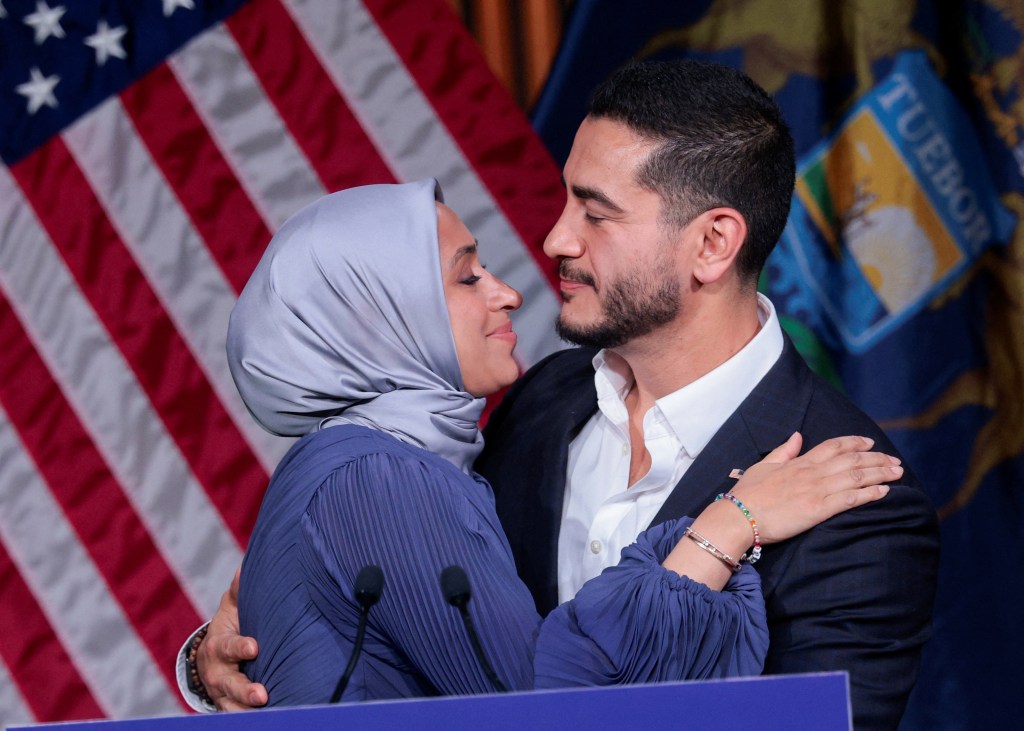
The senator-elect, who is Egyptian-American, acknowledged he is “a little different” while contending with what he described as a scourge of attacks rooted in his Muslim faith and heritage. He invoked the Arabic expression “Inshallah,” meaning “God willing,” and used “Alhamdulillah,” meaning “Praise be to God,” maintaining a practice he occasionally deployed on the campaign trail.
El-Sayed directly addressed parents who struggled to explain the rhetoric aimed at him. “To all the parents who struggled to explain why the president openly mocked someone for their name or how they pray, let them know tomorrow that the bad guys lost,” he declared.
He insisted his love of country was genuine but conditional, adding: “I love America. But I love America enough to ask her to be America for all her kids.” At another point he accused detractors of trying to “confuse” voters into doubting his patriotism, contrasting life in the US against that in Egypt, where some relatives live.
El-Sayed’s win formed part of a broader Democratic wave that flipped once-solid Republican territory. Democrats secured stunning victories in Texas, South Carolina, Kansas and other states, putting them on track for their largest House majority since at least 2008 and a Senate majority exceeding what Republicans currently hold.
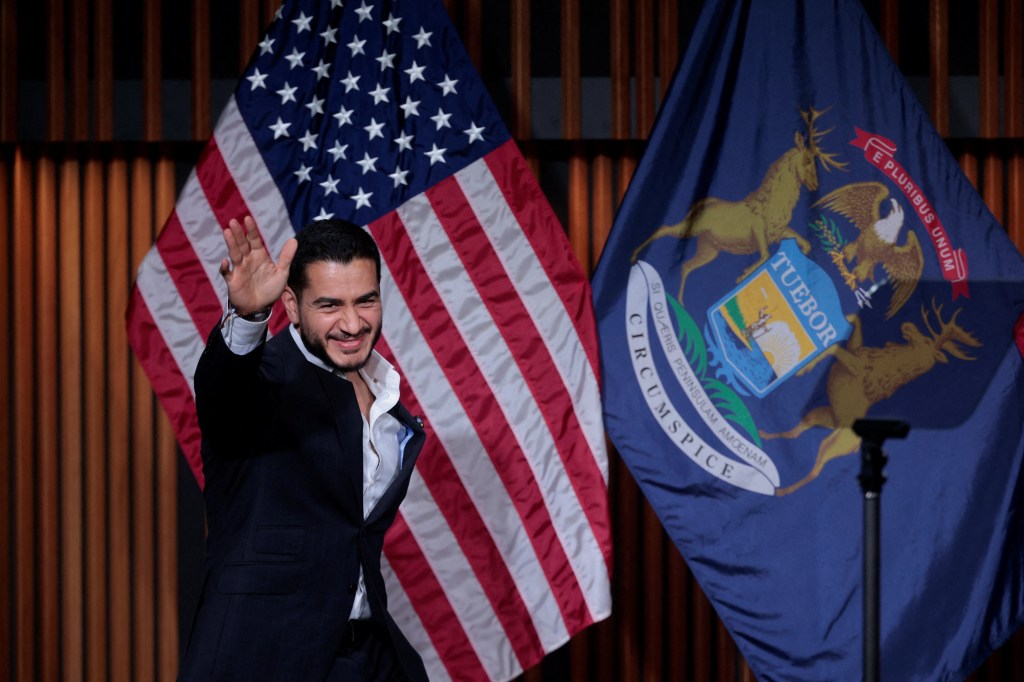
El-Sayed is scheduled to be sworn into the Senate in January when the new Congress convenes in Washington.