


Sebastián Lelio’s longtime partner confirmed the Oscar-winning director’s death Friday following what she described as health complications.
Amalia Kassai, 41, an actress and the filmmaker’s wife, announced that the Chilean writer-director behind “A Fantastic Woman” had died at 52. The couple had kept their personal life largely private throughout Lelio’s rise to international prominence.
“With great sadness, we announce the death, following health complications, of Chilean filmmaker Sebastián Lelio,” Kassai wrote in her statement.
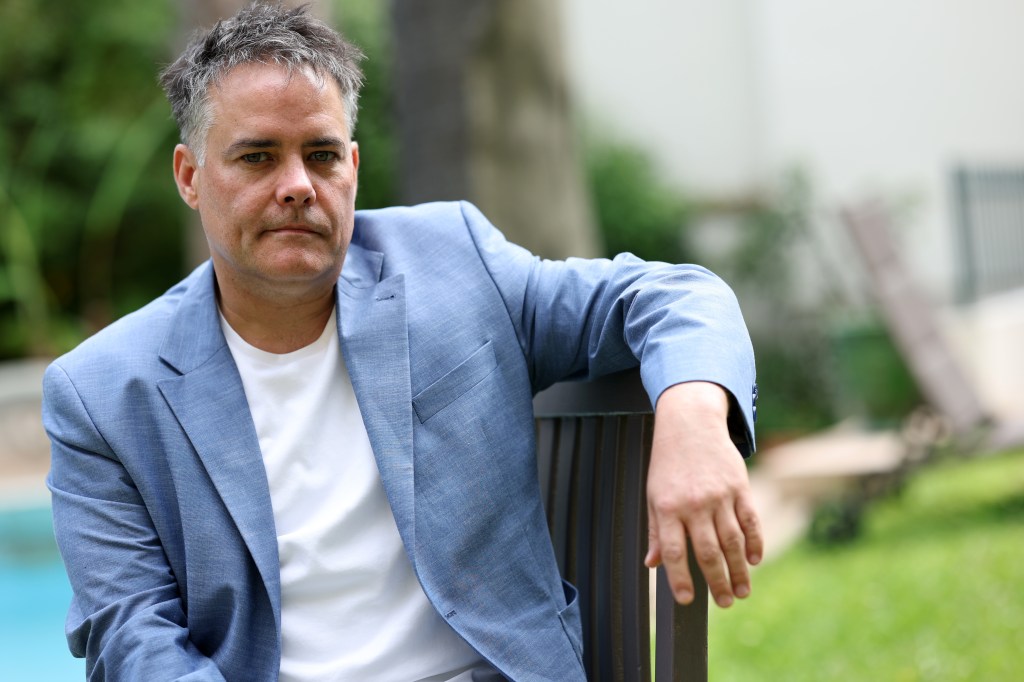
The family is grieving privately. “We are going through a time of profound grief, and his memory will remain with us forever,” Kassai continued. “He was a wonderful person who made significant contributions to Chilean culture at important moments in its history.”
Kassai added a direct appeal for space: “As a family, we ask for privacy and consideration during these difficult times.”
Lelio had been active on multiple projects until his death. He was in production on an adaptation of Alejandro Zambra’s novel “Chilean Poet,” a film that would have marked his return to Chilean literary source material. He was also developing “Voyagers,” a science-fiction project set to star Andrew Garfield and Daisy Edgar-Jones.
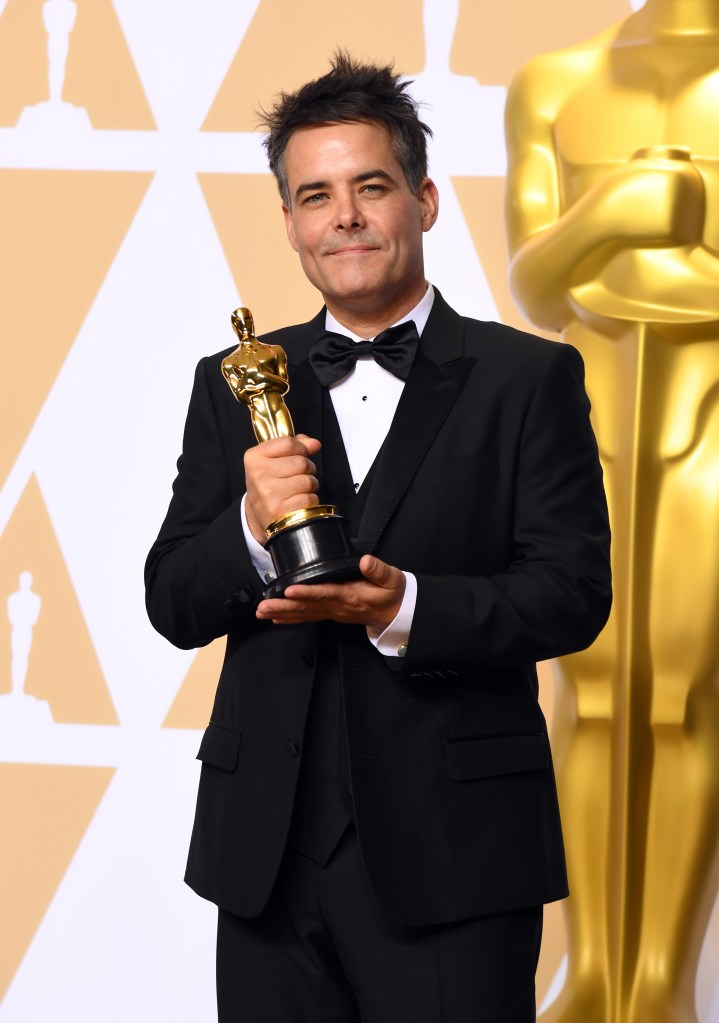
The director’s 2017 film “A Fantastic Woman” made him the first Chilean to win the Academy Award for Best Foreign Language Film, a victory that cemented his place in both national and global cinema. The movie starred Daniela Vega as a transgender woman navigating grief and discrimination after her older boyfriend’s sudden death, and Lelio’s sensitive direction drew praise for centering a trans narrative with uncommon intimacy.

That Oscar win followed years of steady artistic growth in Chile. Lelio first broke through internationally with 2013’s “Gloria,” starring Paulina García as a divorced middle-aged woman seeking connection in Santiago’s singles scene. The film’s warm humanism and refusal to condescend to its protagonist announced a distinctive voice in Latin American cinema.
His subsequent English-language debut “Disobedience” (2017), starring Rachel Weisz and Rachel McAdams as Orthodox Jewish women rekindling a forbidden romance, demonstrated his ability to translate his observational style across cultural contexts. He later remade “Gloria” as “Gloria Bell” (2018) with Julianne Moore in the lead, further expanding his international footprint.
The “Chilean Poet” adaptation represented a homecoming of sorts, returning Lelio to the intimate domestic storytelling of his early work after the broader canvas of “Voyagers.” Zambra’s novel follows a young man who becomes an unexpected stepfather and grapples with what it means to be a “Chilean poet” in a culture that both reveres and trivializes the vocation.
The status of both unfinished projects remains unclear following the director’s death.