

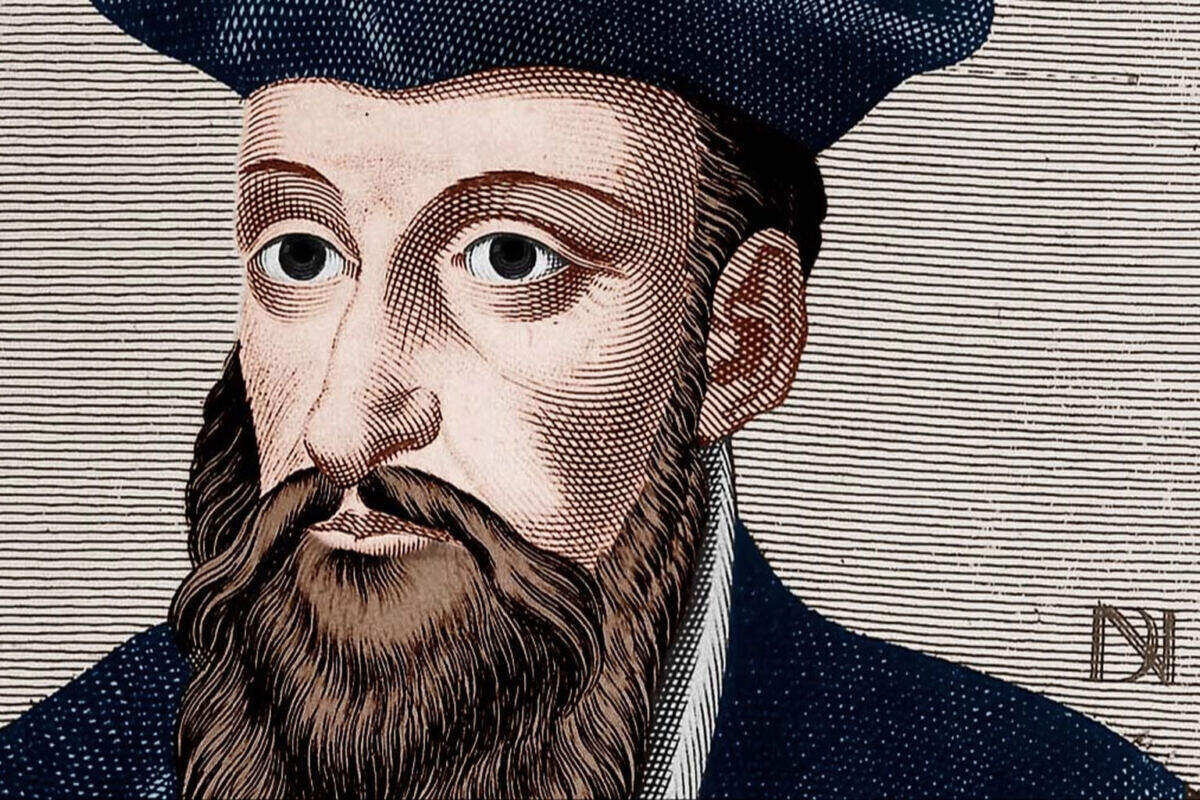
Scholars are poring over the 16th-century mystic’s verses once again as attention shifts to what his cryptic quatrains might portend for 2027.
Nostradamus, the French astrologer who died in 1566, left behind more than 900 poetic quatrains that interpreters have long mined for clues about future catastrophes. While the seer never explicitly named 2027, modern analysts are dissecting his collections to map out potential global shifts for the coming year.
One passage generating particular anxiety centers on economic collapse. The prophet described a society “exhausted and dissipated by the debt,” warning that “copies of gold and silver inflated, / Which after the theft were thrown into the lake” would leave “all scripts and bonds… Wiped out.” The verse, drawn from his sprawling collection, has fueled speculation about a devastating financial crash.

Political upheaval in France also features in the emerging interpretations. Analysts believe Century IX’s twenty-seventh quatrain hints at a surprise challenge to the frontrunner aiming to succeed Emmanuel Macron in the upcoming presidential election. “The forester, the wind will be close around the bridge, / Received highly, he will strike the Dauphin,” Nostradamus wrote, with scholars reading the royal title “Dauphin” as an allegory for the political heir apparent.
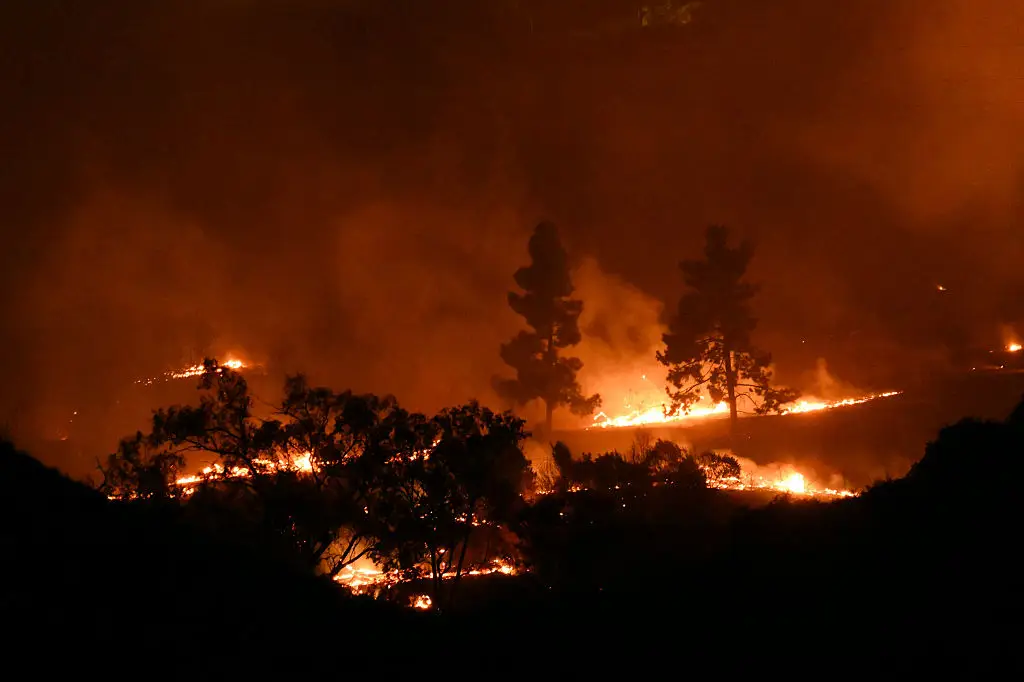
Climate disaster surfaces in another ominous passage. “Celestial fire from the Western side, / And from the South, running up to the East, / Worms half dead without finding even a root,” the mystic penned. Interpreters connect this to the escalating climate crisis, reading it as a warning of extreme heat and uncontrollable wildfires overwhelming the natural world.
Not every verse carries dark portents, however. One quatrain has treasure hunters hopeful, suggesting the long-rumored hoard hidden beneath the oak tree of Gienne will finally surface. The location has drawn comparisons to Oak Island off Nova Scotia, Canada, where treasure seekers have searched for centuries. Yet even this discovery comes burdened: “A man will die, his eye pierced by a spring,” the prophet added.
A passage mentioning Persia and Trebizond has drawn geopolitical attention. “Through fire and arms not far from the Black Sea,” Nostradamus wrote, referring to the historical names for Iran and the Turkish city of Trabzon. Some analysts speculate this points to an Iranian representative attending a peace summit in Turkey.
The 2027 examinations follow a year of predictions that have largely failed to materialize. Interpreters had warned that 2026 would bring a celebrity assassination in daylight, citing the quatrain “The great man will be struck down in the day by a thunderbolt.” No such killing of a recognizable figure has occurred. Another forecast involving Mars “ruling his path among the stars” prompted anticipation of an apocalyptic clash that has not taken shape. With several weeks remaining in 2026, some defenders note these misses could still become hits, though they acknowledge hoping otherwise.

The annual ritual of decoding Nostradamus reflects a centuries-old fascination with his deliberately vague style. His quatrains, written in a mix of French, Latin, Greek and Italian, employ astrological references and wordplay that allow for wide interpretive latitude. The same passage that one reader connects to financial markets, another might tie to cryptocurrency or government bonds.