

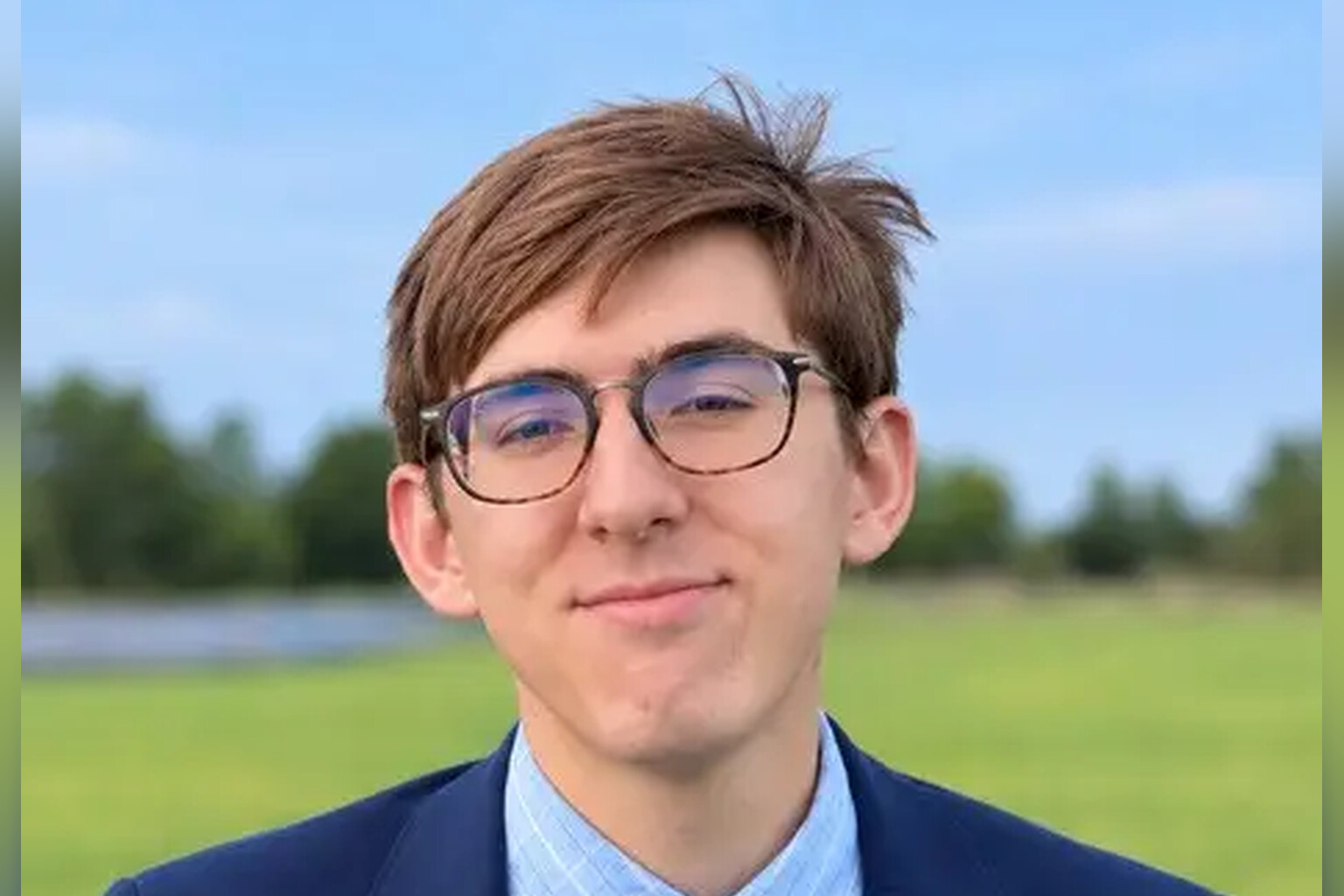
Isaac Valdez’s twin brother is demanding answers after the Jehovah’s Witnesses reversed their blood transfusion policy less than a month after the 26-year-old’s death.
Isaac Valdez, 26, of Texas, died on August 26 after suffering an epileptic seizure that caused him to strike his head and develop a brain haemorrhage. Doctors determined that a surgical procedure requiring a blood transfusion was his only chance of survival, but Valdez carried a card identifying him as a Jehovah’s Witness and refusing such treatment. His family upheld his wishes when he fell into a coma, citing the religion’s long-standing rules.
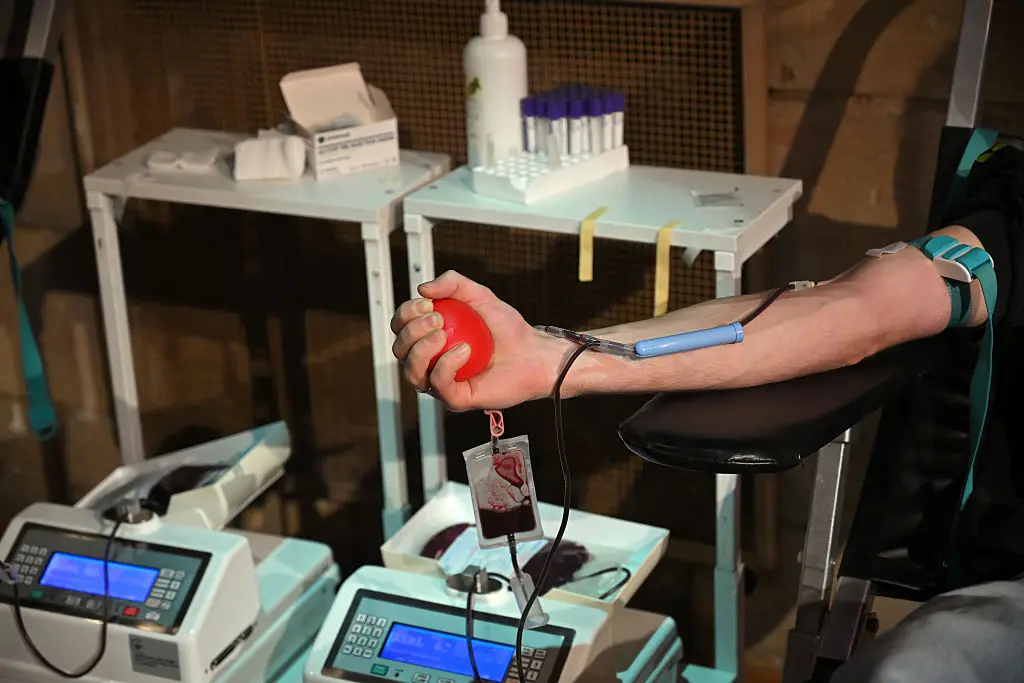
Twenty-three days after Valdez’s death, the Jehovah’s Witnesses’ Governing Body announced a dramatic shift in doctrine. Reports said that most medical procedures requiring blood transfusions would now be permitted, with decisions left to individual members as a “matter of personal conscience.” The exception remains whole blood transfusions.
The prohibition against blood transfusions had stood since 1945, rooted in biblical verses forbidding the consumption of blood. Paul Gillies, the religion’s international spokesperson, said the change represented “the application of Bible principles to modern medicine and its methods,” adding that believers should avoid “overreach.”
Jacob Valdez, Isaac’s twin brother, had already left the Jehovah’s Witnesses before the policy shift. In the wake of his brother’s death, he messaged members of Isaac’s congregation with a direct challenge: “the part you played in encouraging so many people to sacrifice their life for something that was never God’s will.”
He pressed the congregation on why the change had not come earlier, questioning whether his brother might have accepted life-saving treatment had the new guidance been in place.
Gillies responded to such criticisms by stating that changes take time “because it takes time.” He cautioned that the new guidance “doesn’t necessarily mean that there is some magic change that’s taken place.”
John Viney, an ex-Jehovah’s Witness and former member of the Jehovah’s Witness Hospital Liaison Committee, offered a stark assessment of the reversal. “This u-turn in the strict Jehovah’s Witness ‘no blood’ policy is not just a ‘clarification’ but a life saving move for any future member who needs a transfusion of any of the main components of blood,” he said.
Viney continued: “What a shame God did not ‘clarify’ it years ago when I was at the bedside of a lady who died for refusing red cell transfusion. Or any of the children who appeared on the front of their Watchtower magazine who died because they were told God required obedience in this matter.”
He added: “This may be explained by Jehovah’s Witness leaders as an ‘update’ but it can’t bring back those thousands that missed the update.”
A 2016 medical review found that more than 1,000 Jehovah’s Witnesses died annually due to the blood transfusion refusal rule. The policy had made headlines for decades through cases involving both adults and minors, with some families fighting legal battles against hospital attempts to administer transfusions to children against parental wishes.
The Valdez case now stands as one of the final documented deaths under the old doctrine, its timing intensifying scrutiny of why the Governing Body acted when it did. Jacob Valdez’s public questioning of his brother’s congregation suggests ongoing fractures between former members and the faith’s leadership over accountability for past deaths.

The Governing Body has not indicated whether further modifications to the remaining whole blood prohibition are under consideration.