

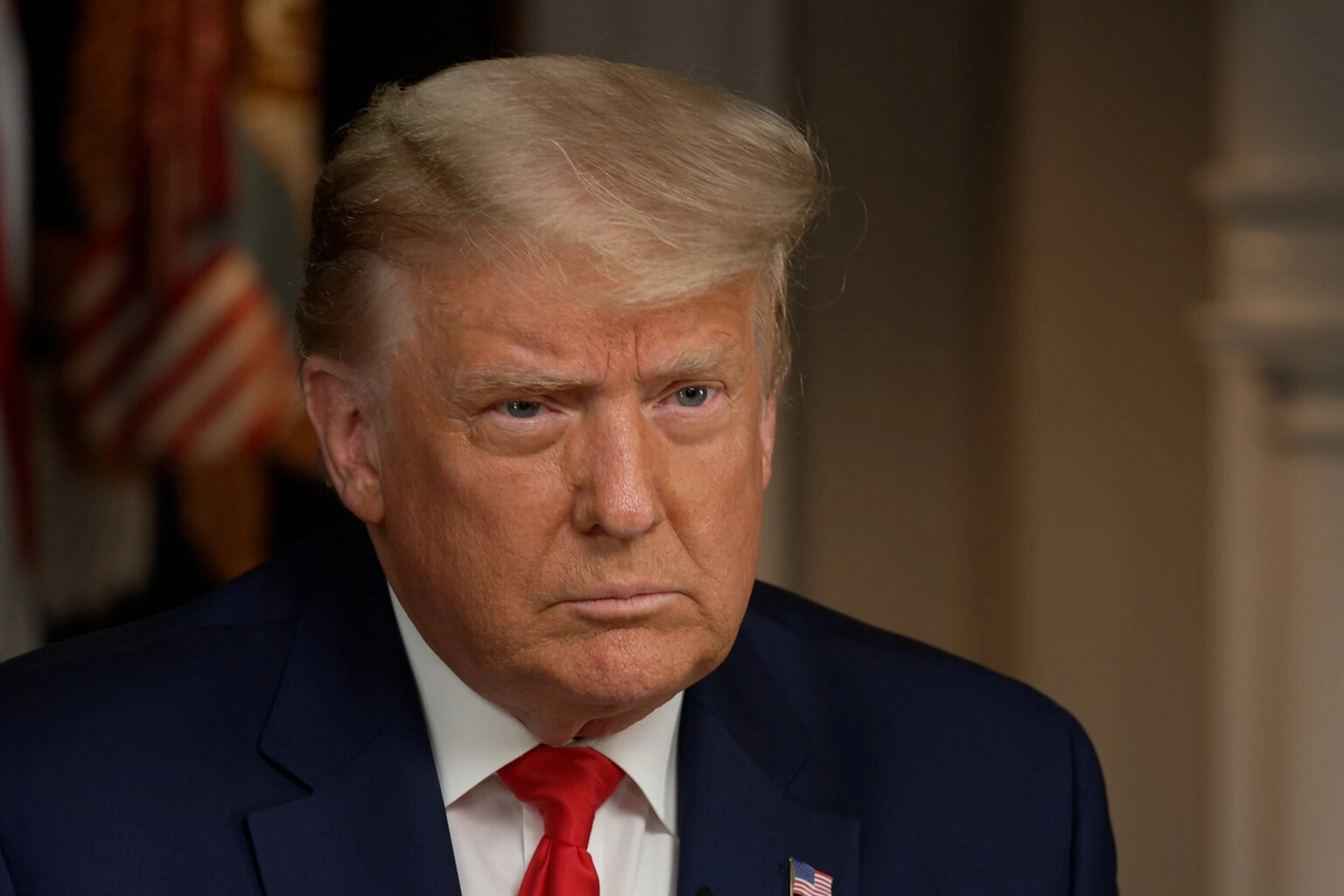
President Donald Trump said he will not forgive his political enemies to secure a place in heaven.
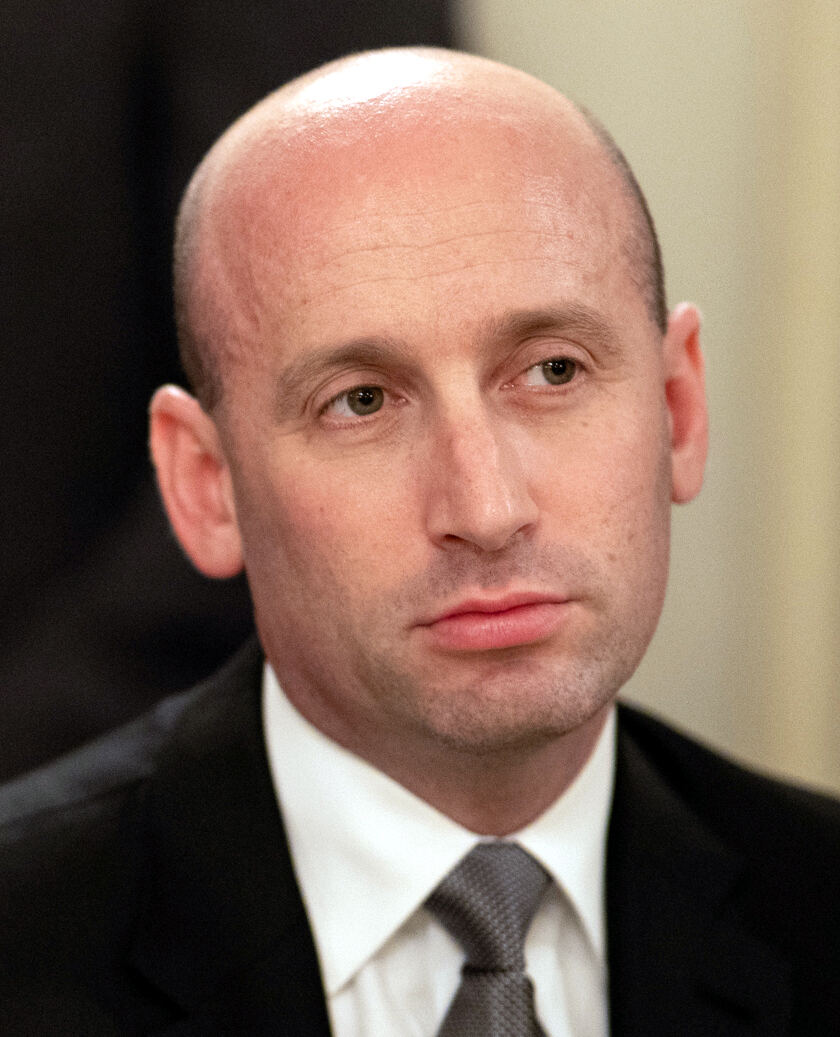
In the wide-ranging interview with columnist Ross Douthat for “60 Minutes,” which aired November 8, Trump, 79, addressed mortality, faith and the hatred he harbors toward rivals including former FBI Director James Comey and former House Speaker Nancy Pelosi. The conversation was taped before a Friday staff shakeup that saw White House Chief of Staff Susie Wiles replaced by Stephen Miller within an hour of the broadcast’s conclusion.
Trump opened up about his spiritual prospects when asked where he expected to go after death. “I’m a religious person, so in theory I go to heaven… I hope so. I don’t want to go to hell,” he said on the CBS program.
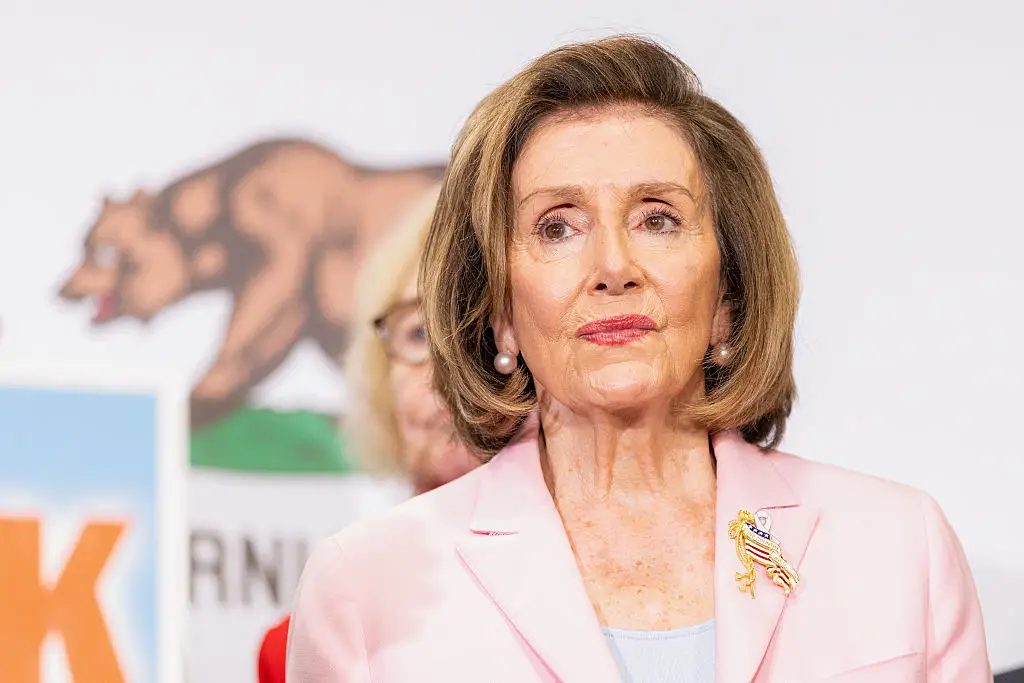
The president drew a hard line when pressed on whether forgiveness could be part of that equation. “The answer is no. I want to be honest, no,” Trump told Douthat. He continued, “I probably cannot do that, no, because I do hate some of my enemies and I always will.”
The exchange came amid a broader discussion of Trump’s political standing following Republican midterm losses that have shaken his party. Trump attributed the defeats to voter dissatisfaction with the Iran war and its economic fallout, particularly elevated gas prices. He noted he “wasn’t on the ballot” and suggested Republican supporters “didn’t vote, really. I think they didn’t vote. I think in some cases, they didn’t like the candidates. And that’s, you know, their prerogative.”
Beyond matters of faith and electoral politics, Trump previewed a flurry of pardons before leaving office and indicated he “probably would” endorse a successor, though he qualified that commitment with “not necessarily.” He also acknowledged “bad messaging” on the economy and conceded he had been “too tough” on immigration at certain points during his administration’s crackdown.
The interview touched on Trump’s mandate to release Pentagon files on unidentified aerial phenomena, which produced thousands of documents and photographs. While expressing skepticism, he described meetings with Air Force pilots who reported strange encounters. “I’m not too much of a believer, but I sat in the Oval Office, first term and a little bit second term, meeting with Air Force pilots that are really good, solid people,” Trump said.
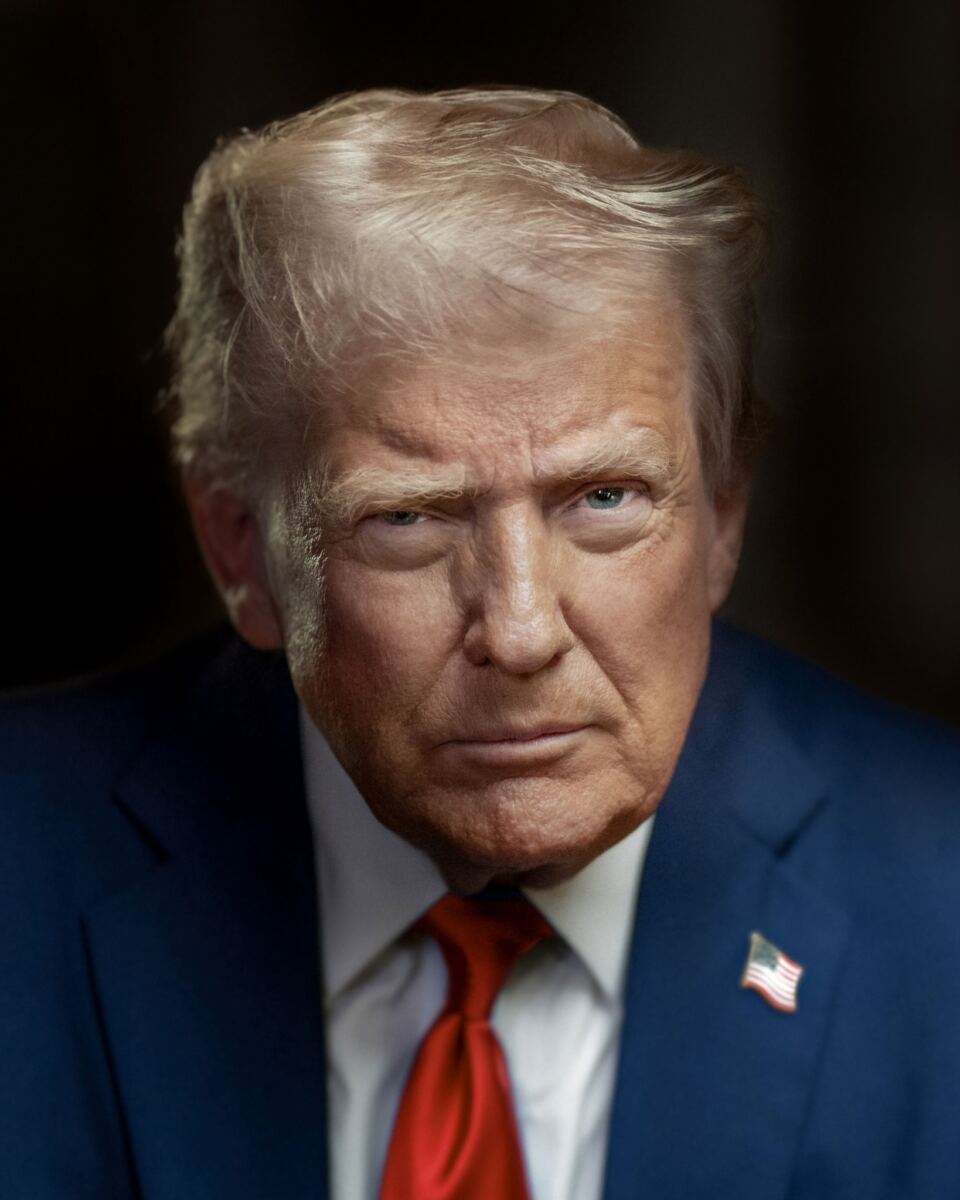
He painted a vivid portrait of the aviators. “These are not people that you would say are conspiracy theorists. They don’t even know what it means. But they’re great, great pilots. Young, handsome. They have beautiful, nice flat tops. I’d like to have a haircut just like them. They look perfect, like Tom Cruise,” he continued. “They’re thin, you know, very thin and very everything. And … they’re the real deal. And they’ve told me things that are very strange.”
Trump doubled down on his handling of the Iran war during the interview, defending his approach despite the electoral consequences he acknowledged elsewhere in the conversation.
The president’s remarks on hatred and the afterlife came at a memorial event for conservative activist Charlie Kirk where he delivered a separate speech with notably different themes. While his “60 Minutes” comments rejected forgiveness as a path to paradise, the contrast between the two appearances highlighted Trump’s willingness to tailor his message to his audience.
Trump is expected to continue his public schedule with upcoming appearances as he navigates the political aftermath of the midterms and prepares for the final phase of his presidency.