

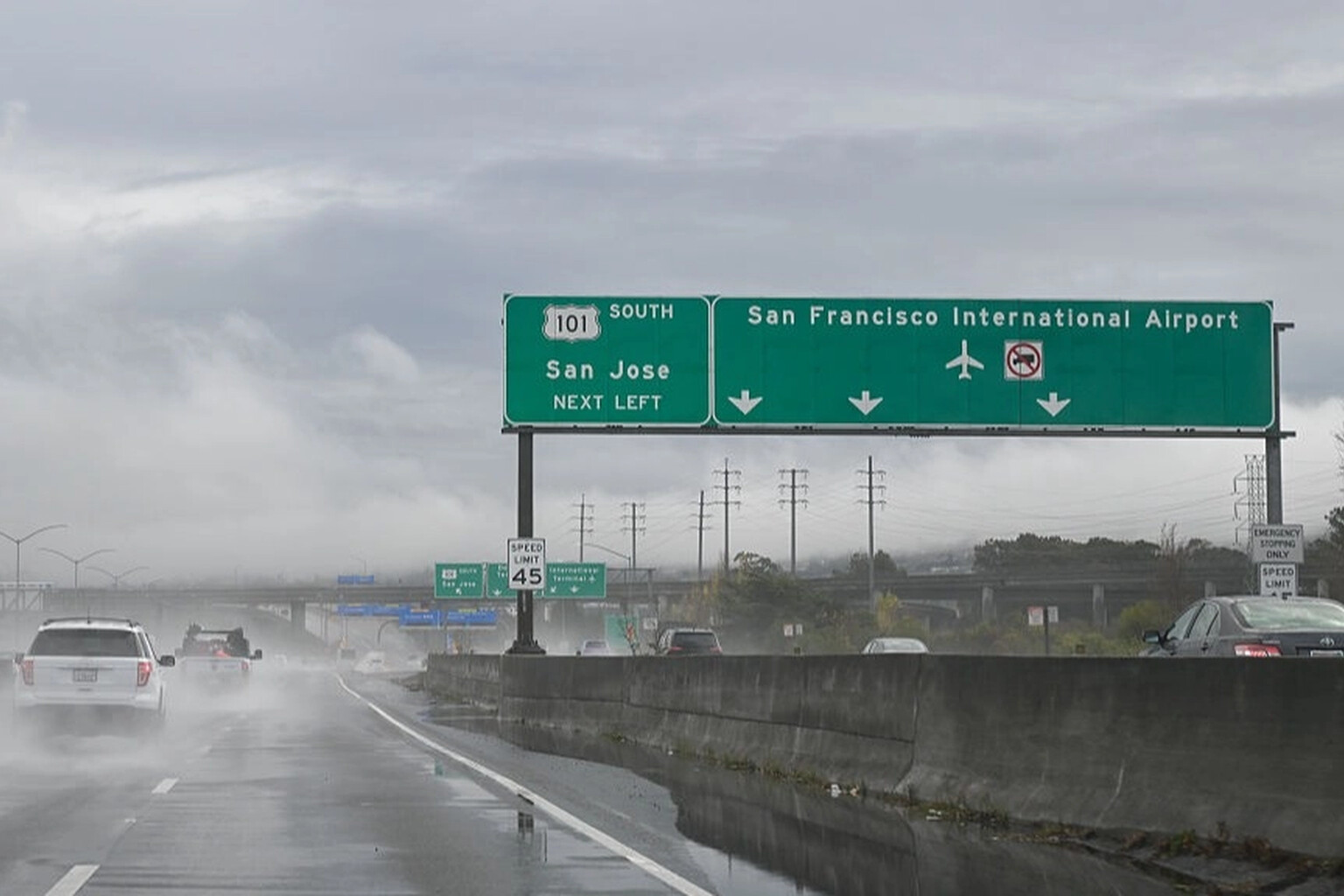
A new USGS disaster model warns California could suffer $725 billion in economic damage from a hypothetical megastorm fueled by weeks of atmospheric rivers.
The ARkStorm scenario, developed by 117 scientists, engineers and policy experts, projects flood defenses crumbling and millions forced to evacuate as 500-year streamflows overwhelm levees across the state. The US Geological Survey presented the findings as back-to-back atmospheric rivers already pound the West Coast, with another powerful Pacific storm now targeting California with heavy rainfall and several feet of Sierra Nevada snow.
Direct property losses alone could approach $400 billion, covering damage to buildings, agriculture and critical infrastructure, while business interruptions could add another $325 billion. The agency’s 2011 report found only about 12% of California property is insured, and of the nearly $400 billion in projected direct property damage, just $20 to $30 billion could be recovered through public and commercial insurance. Homeowners could be among those hardest hit by the coverage gap.
The project’s name derives from Atmospheric River 1,000, referencing precipitation levels expected only once every 1,000 years in some locations. Researchers modeled projections on historical storms including the Great Flood of 1861-62, which devastated California and left the Central Valley impassable, as well as major storms in 1969 and 1986. Geological records indicate six megastorms over the past 1,800 years exceeded the 1861-62 flood in severity.
California’s existing flood-protection infrastructure was designed for events occurring once every 75 to 200 years on average, not the 500-year streamflows the scenario envisions. The Central Valley could flood across an area 300 miles long and at least 20 miles wide. San Francisco Bay communities, Los Angeles, Orange County and San Diego could also face serious inundation, along with numerous coastal and river communities. The USGS estimates around 25% of the state’s buildings could experience some degree of flooding during a single severe storm.
Winds could reach 125 mph in some locations, with broader areas seeing up to 60 mph. Hundreds of landslides could damage homes, roads and highways, while power, water and sewer systems could suffer extensive damage, with repairs potentially taking weeks and months. The flooding could force millions of residents in inland and Delta counties to flee their homes.
The scenario was designed to help emergency officials and government agencies prepare for a disaster that could affect every California county and economic sector.