

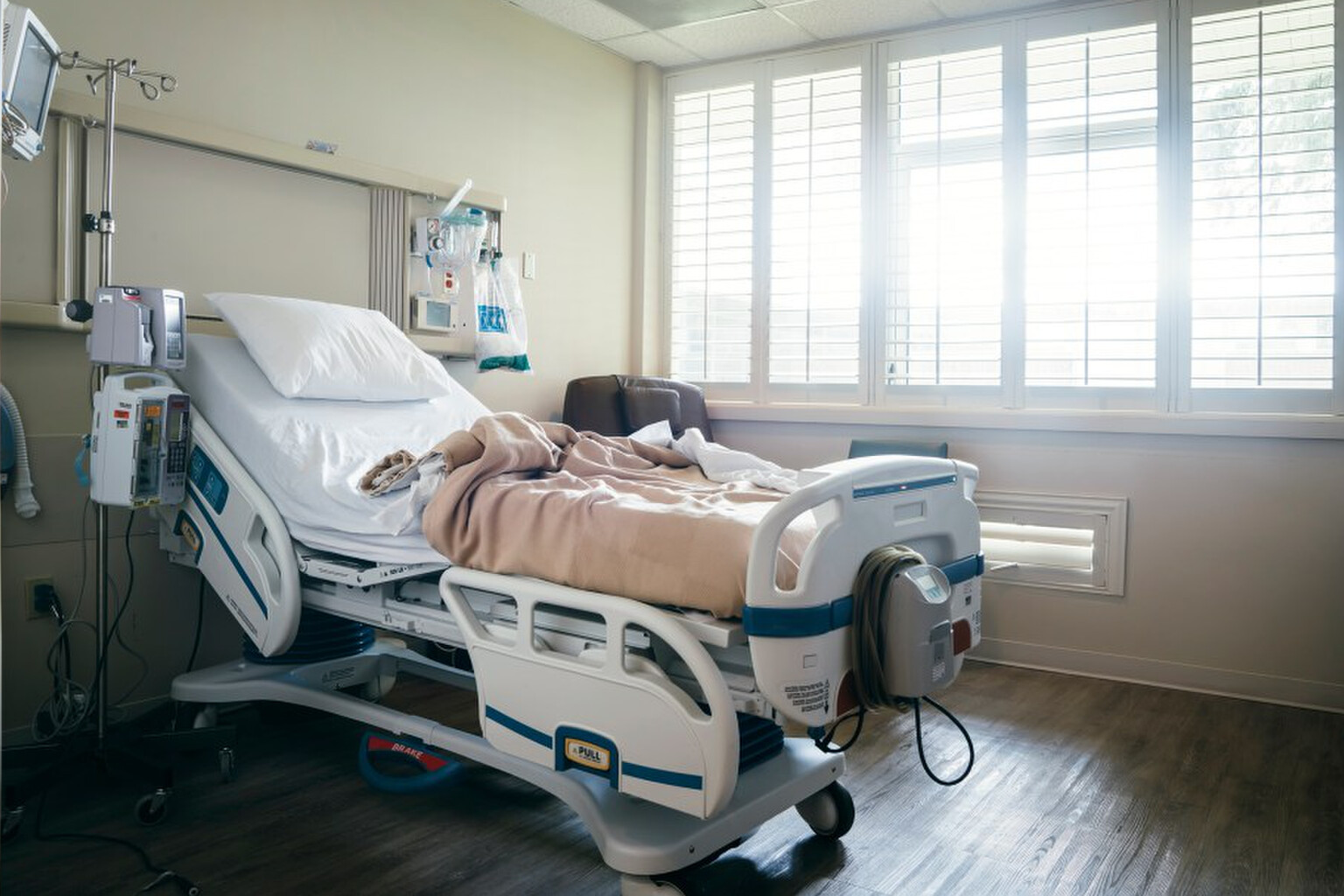
A Los Angeles judge has granted a woman permission to proceed anonymously in her lawsuit against the city after she alleged police shackled her to a hospital bed and interrogated her for hours following a stillbirth.
Jane Doe, as she is identified in court records, filed suit Wednesday in Los Angeles Superior Court against the city and two LAPD detectives. The plaintiff alleges she was falsely accused of throwing her fetus from a window of the city shelter where she lived, leaving the newborn to die in 2024. Judge Andrew Esbenshade ruled Thursday that Doe’s request to remain anonymous in future pleadings would be granted, with his clerk writing in a minute order, “The court finds the showing of plaintiff’s overriding interest in anonymity to be sufficient to outweigh the right of the public to access plaintiff’s name and the complaint.”
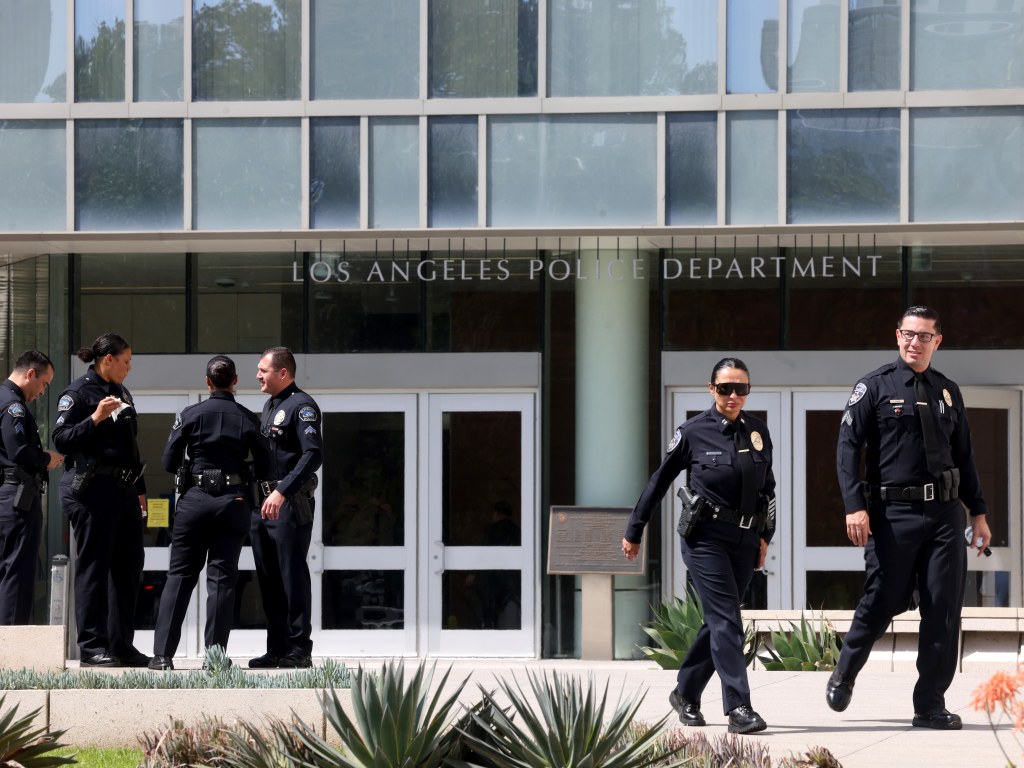
Doe alleges that upon returning to the city shelter from the hospital, fellow residents called her a “baby killer.” The lawsuit contends that while she was suffering the aftermath of a stillbirth, she was wrongfully shackled to her hospital bed, interrogated by two detectives, threatened with criminal prosecution for homicide, and verbally abused for hours.
The investigation stretched on for a full year, according to the suit. This prolonged inquiry, the lawsuit argues, violated the California legislature’s intent in amending the Reproductive Privacy Act in 2022. That amendment prohibits the state from taking punitive action against people based on their actions or omissions regarding pregnancies, miscarriages and stillbirths.
“Defendants blatantly violated Ms. Doe’s rights, causing her extreme and ongoing harm and mental duress,” the suit alleges.
The 2022 amendment to the Reproductive Privacy Act was designed precisely to shield people from criminal and civil consequences related to pregnancy outcomes. Doe’s case appears to mark one of the first major legal tests of that protection. Her attorneys argue that the year-long investigation, complete with bed shackling and homicide threats, represents exactly the kind of punitive state action the legislature sought to eliminate.
A representative for the City Attorney’s Office did not immediately respond to a request for comment on the lawsuit. The case now moves forward with Doe’s identity shielded from public court filings, a protection Esbenshade found warranted given the circumstances she described.
The incident that triggered the investigation began at the city shelter where Doe lived. Following her stillbirth in 2024, she was hospitalized, and it was during that medical treatment that the alleged interrogation occurred. Detectives reportedly accused her of discarding the fetus from a shelter window, a claim the lawsuit disputes as false. The subsequent year of investigation compounded her trauma, according to the filing, transforming a medical crisis into a prolonged criminal inquiry.
A case management conference is scheduled for March 2027.