


A new once-daily pill has shown unprecedented results in a clinical trial for pancreatic cancer, with tumors becoming undetectable in roughly one in twelve patients when paired with chemotherapy.
Dr Wungki Park, 47, an oncologist at Memorial Sloan Kettering Cancer Centre in New York, presented the findings last week at the European Organisation for Research and Treatment of Cancer conference in Barcelona. The study tracked 61 patients over a typical period of 18 months, and the numbers have stunned researchers in a field where progress has been painfully slow.
Tumors shrank or disappeared entirely in 60.7 percent of patients given the combination of daraxonrasib and chemotherapy. Disease progression halted in 90.2 percent of cases. The one-year survival rate reached 76.6 percent, compared to roughly 40-45 percent for chemotherapy alone. On average, tumors took 12.8 months to return or resume growing across the full patient group.
“This is almost at the discovery level, we have never seen 8% complete response in metastatic pancreatic cancer, you don’t see that….” Dr Park told the Press Association. “The median follow-up is 18 months. Just imagine, in an average of 18 months your disease just disappears on the CT scan … that’s closest to complete remission …. It’s incredible.”
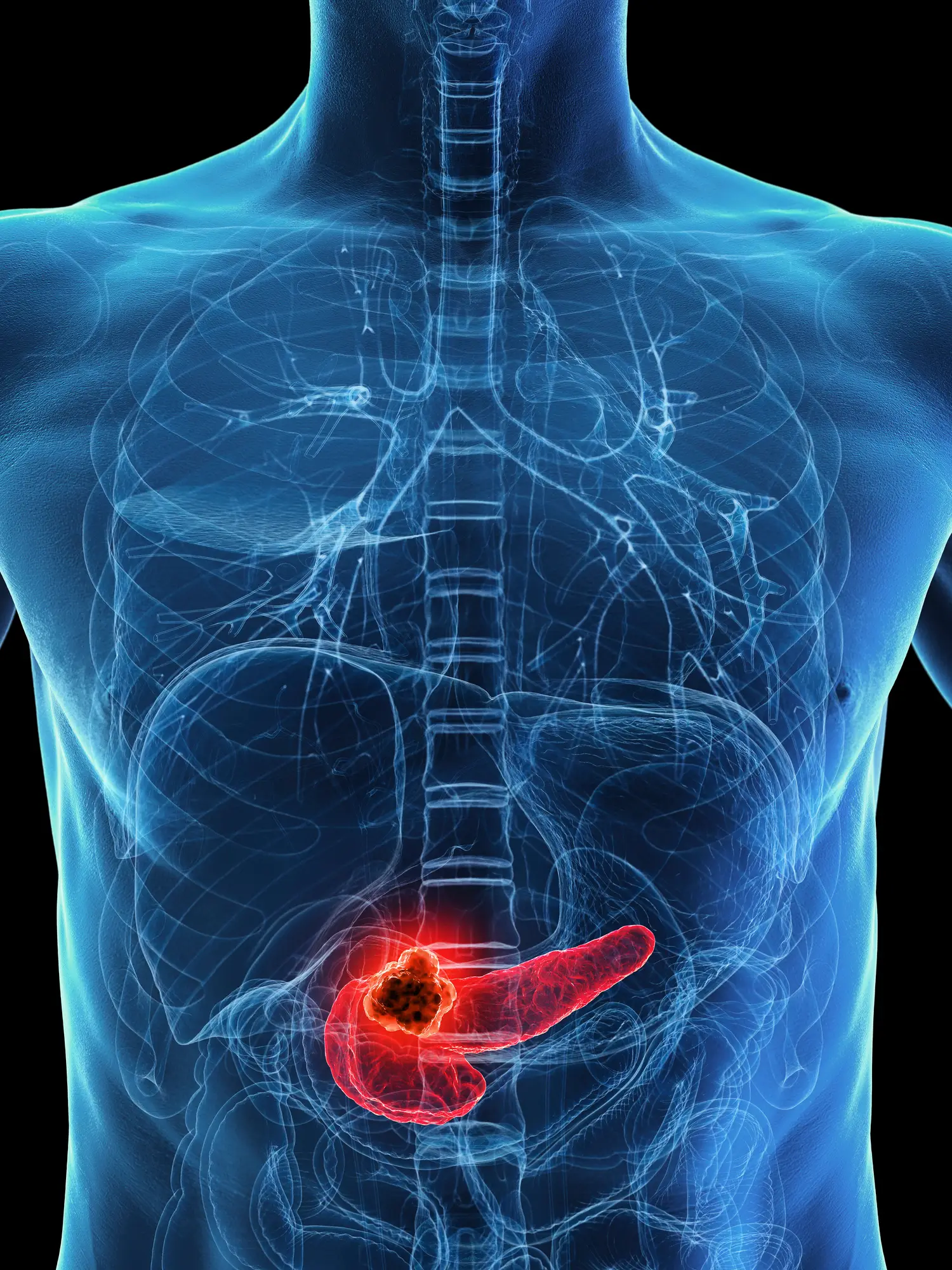
The drug targets the mutated KRAS gene, which appears in more than nine in ten pancreatic tumors and constantly signals cancer cells to multiply. By binding to this mutation, daraxonrasib shuts down that growth signal. Patients also reported fewer side effects than with standard chemotherapy regimens.
Dr Park did not shy away from the weight of the complete responses. When asked whether the one in twelve patients whose tumors vanished could be considered cured, he said: “This is the closest to cure.”
“In about one in 12 patients, it (the cancer) completely disappeared,” he added. “And then with such a long follow-up, this is real. We’ve never seen such a thing.”
He acknowledged that cancer frequently develops resistance to targeted drugs, but noted that the combined approach appears to be delaying that outcome. The phase-three trial is already underway in the United States with sufficient enrollment, though some European sites may still be recruiting participants.
Michelle Mitchell, chief executive of Cancer Research UK, framed the development in historical terms. “This is the biggest leap forward we’ve seen in decades for pancreatic cancer patients and could offer real hope to people facing one of the deadliest and most difficult-to-treat cancers,” she said in a statement. “More trials are now needed before this treatment can be assessed for use on the NHS and despite this advance, pancreatic cancer survival is still very low.”
Dr Madina Kara, head of research at Pancreatic Cancer UK, emphasized the urgency behind any progress against the disease. “Half of people with pancreatic cancer die within three months of diagnosis and their loved ones would give anything to spend more precious time with them,” she said. She called the study small but encouraging, and highlighted the importance of the larger trial now moving forward.
“These findings are part of a growing body of evidence that offers real hope to people with advanced pancreatic cancer,” Dr Kara added.
Daraxonrasib had already generated significant attention earlier in its development when separate trials found it nearly doubled survival time for patients with aggressive, advanced pancreatic cancer compared to chemotherapy alone. The new data adds the critical dimension of complete radiographic response, a benchmark rarely met in metastatic cases of this cancer.
Pancreatic cancer remains among the most lethal malignancies, with dismal survival rates that have improved only marginally over recent decades. The disease is often diagnosed at advanced stages, and treatment options have been severely limited. The KRAS mutation has long been considered a prime therapeutic target, but effective drugs against it have proven elusive until recently.
Mitchell stressed that further research must explore how daraxonrasib could integrate with other therapies to maximize patient benefit. The path from promising trial results to regulatory approval and clinical availability typically spans additional years of study and review.