

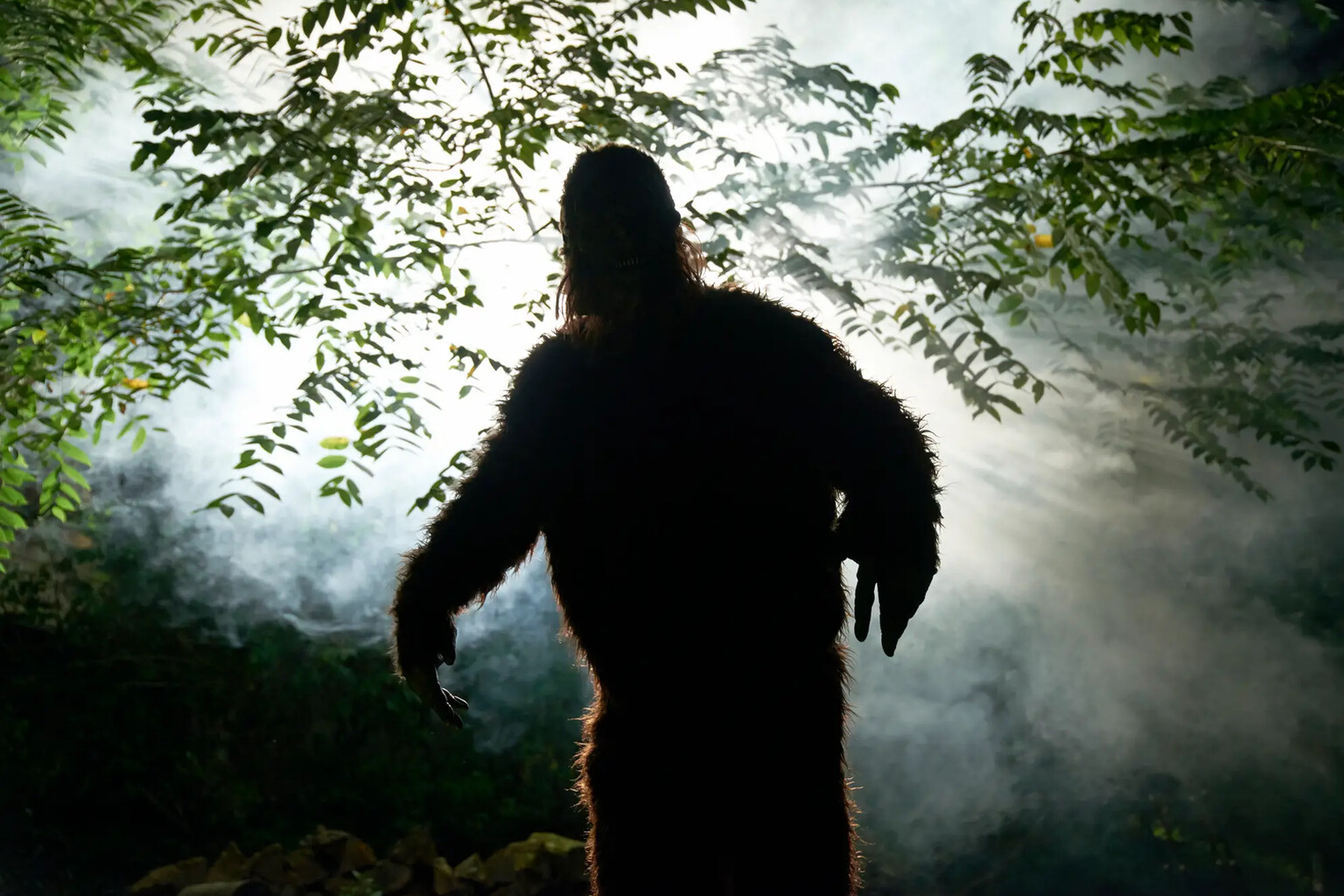
The U.S. Forest Service has quietly published a trove of previously unreleased records on Bigfoot, including a 1982 investigation that concluded alleged footprints were a deliberate hoax.
On October 15, the Department of Agriculture agency posted files titled “Bigfoot/Sasquatch Records” to its website, making decades of internal documents available to the public for the first time. The release spans alleged encounters from the 1940s through the early 1980s, offering a rare window into how federal officials handled reports of the legendary creature.
Biologist Rodney L. Johnson led the centerpiece investigation on June 17, 1982, after a request to examine reported “Big Foot” tracks in the Mill Creek watershed of Oregon’s Umatilla National Forest. His memorandum, dated the following day, opened with a straightforward declaration of purpose: “On June 16th, you requested that I accompany a group into the Mill Creek Water-shed on the 17th to investigate a reported find of ‘Big Foot’ tracks in the Low Creek drainage. This memorandum is to document the findings of this trip.”
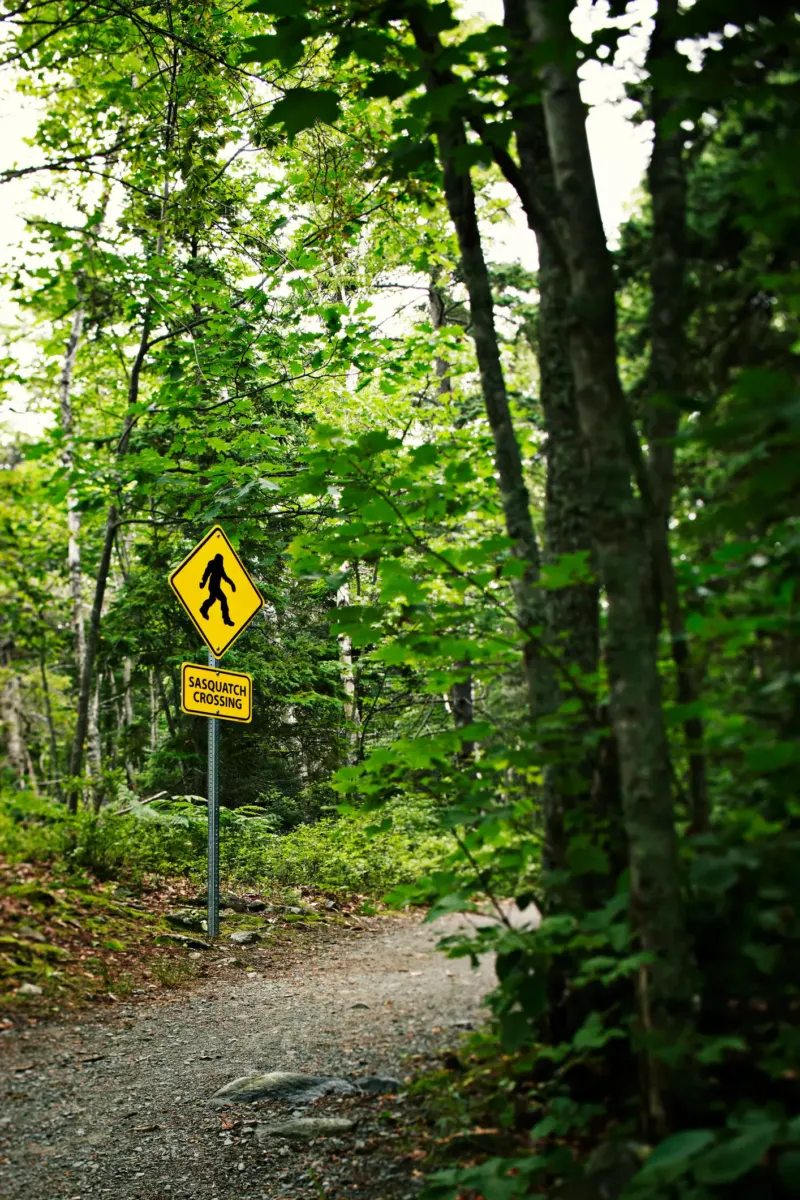
Johnson examined prints at two locations, with one measuring roughly 15 inches long and 7 inches wide. He ultimately determined the tracks were fabricated. “A clever attempt to perpetrate a hoax involving your office or agency, in order to lend authenticity or credibility to the general public,” he wrote. Johnson added that he believed they were made by “using some kind of soft planter or rubber coated foot,” noting that the “stride of the tracks did not change with slope.” He further stated that the perpetrator likely had “normal access to the area” and was “very knowledgable” and interested in Bigfoot.
The files also contain a six-page document by Leo T. Kinney recounting a 1940s hunting party’s unsettling experience. That group reported encountering tracks, a strong odor, and a grunting sound in the woods. Kinney’s account captured the hunters’ visceral reaction: “We found out that we all had a very uneasy feeling and could feel chills running up and down our backs.”
The modern Bigfoot legend traces its origins to the Pacific Northwest forests, though its cultural roots extend back to Indigenous traditions of the region. Comparable mythical creatures worldwide include Scotland’s Loch Ness Monster and the Himalayan Yeti.
Despite persistent popular interest, no credible scientific evidence supports Bigfoot’s existence. No body, skeleton, or DNA sample has ever been recovered, and numerous alleged sightings across North America have been attributed to misidentified animals, particularly bears.
The Forest Service’s document dump comes amid renewed public fascination with the cryptid. In 2024, a nine-second TikTok clip purportedly captured an ape-like figure turning toward the camera before the filmer fled, though the video’s authenticity was never verified and viewers widely dismissed it as staged.
The agency has not indicated whether additional records remain classified or when further releases might occur.