

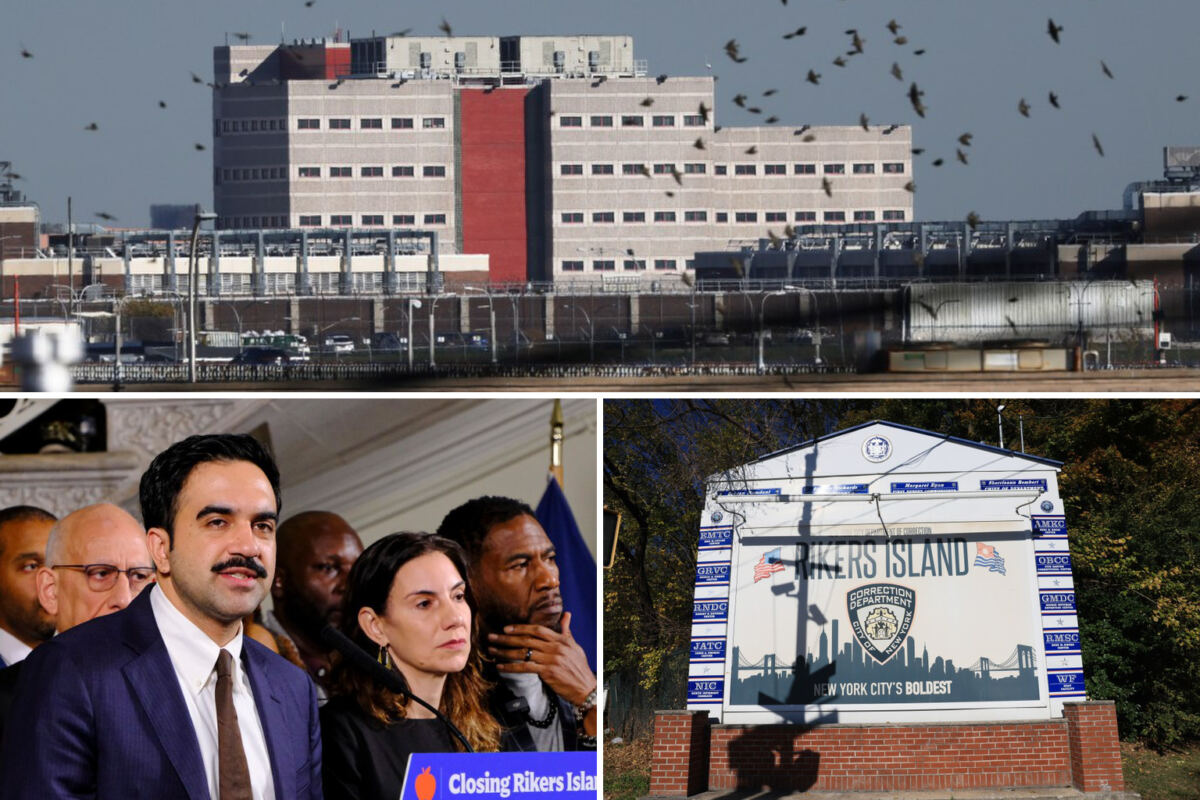
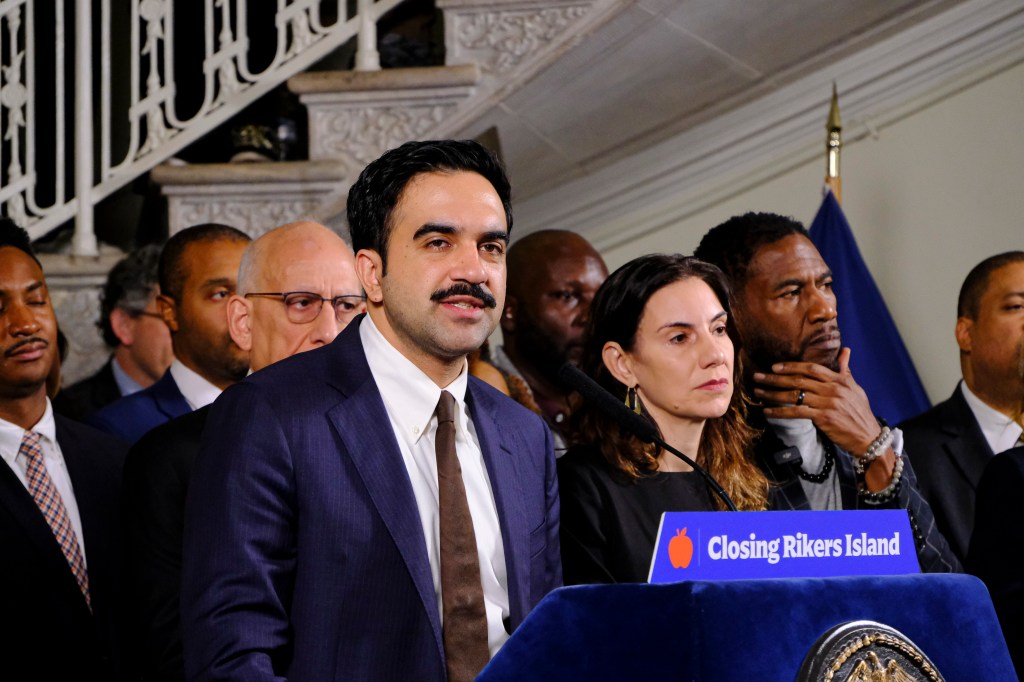
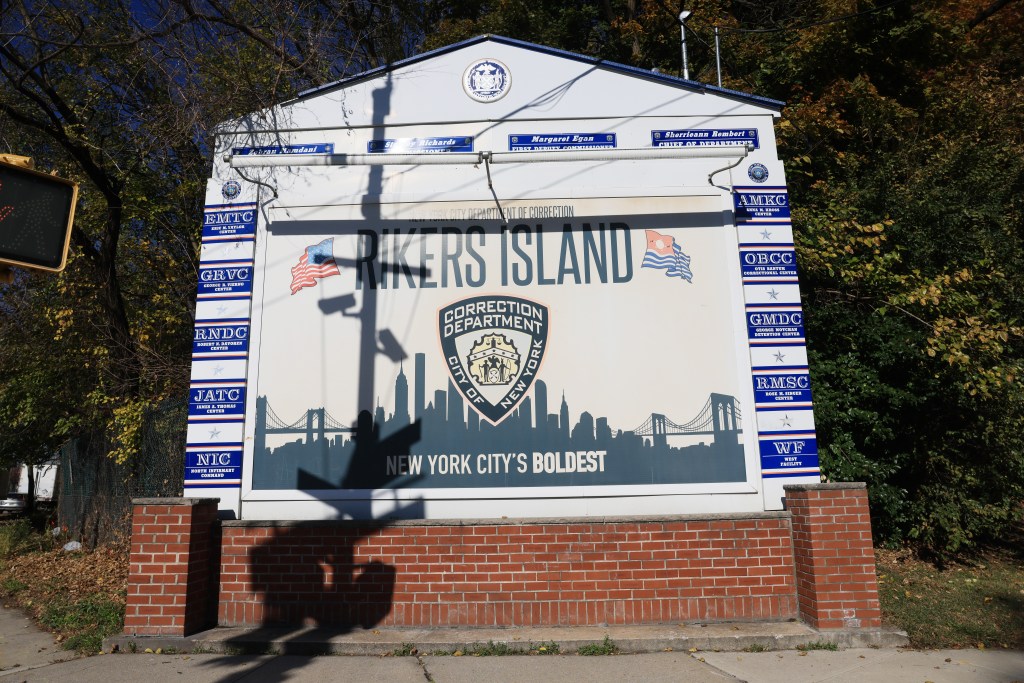
Mayor Zohran Mamdani wants to pour millions into a program that pays New Yorkers to house ex-con family members as part of his broader push to close Rikers Island.
The 88-page “Close Rikers Strategic Plan,” released Friday, calls for expanding the Kinship Reentry Housing Program from 50 families to 300 families. Mamdani, 37, is proposing $3.55 million in taxpayer funding this fiscal year, with that figure doubling to $7.1 million in subsequent years. The program currently provides $500 monthly for up to 12 months to relatives who take in people released from Rikers or prison, with the Osborne Association administering it for the city.
“This program provides a stable home for people returning to community from Rikers or prison, including 100 people with diagnoses of serious mental illness, substance use disorder or other complex behavior health needs,” the plan states. “It provides direct financial assistance, financial management services, clinical therapeutic support, peer navigation and other wraparound resources.”
The Kinship program launched five years ago under former Mayor Bill de Blasio and has served over 250 families since 2021, according to the plan’s accounting. City officials point to strong outcomes: 90% of participants who completed the program reported improved family relationships, 94% cited better financial stability, and only two participants returned to jail while enrolled.
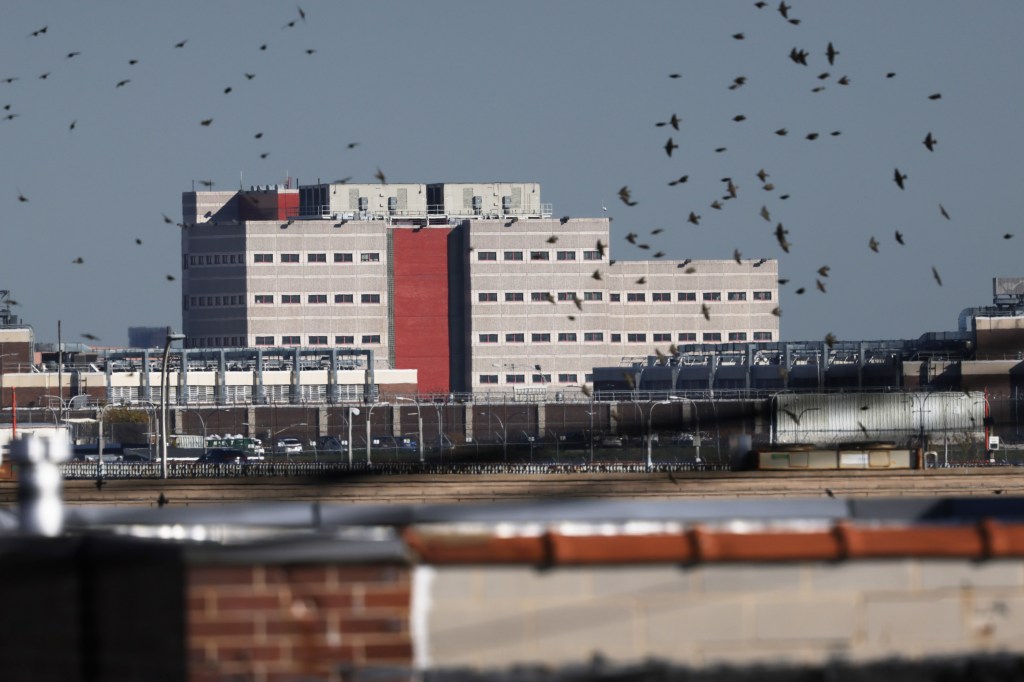
Mamdani’s proposal also pushes back the Rikers closure deadline from August 2027 to the end of 2032, acknowledging that none of the four planned replacement jails will be operational by the original target. The mayor needs City Council approval for the five-year extension, though he is expected to secure sufficient backing. The jail population would need to drop from roughly 6,600 to 4,500 to fit the smaller facilities.
The replacement jails — one in each borough except Staten Island — were approved by the Council in 2019 under de Blasio. The original $8.2 billion budget for 3,544 beds has ballooned to at least $16 billion due to delays, redesigns and construction cost increases.
Republican council members blasted the kinship payment expansion as misguided spending.
“This seems like another reckless use of taxpayer money on a social experiment that could go horribly wrong,” said Council Minority Leader David Carr, 43, of Staten Island. “In Mamdani’s New York, crime really does pay.”
Councilwoman Joann Ariola, 72, of Queens piled on with fiscal complaints. “New Yorkers are paying for crime twice — first for the offense and then again to pay for these programs,” she said. “Where are we even getting this money from? This city is crying broke every budget cycle, but we seem to have no problem pulling millions out of the air for programs like this. It’s going to be yet another burden on taxpaying New Yorkers.”
Councilman Phil Wong, a Queens Democrat, directed his criticism at family accountability. “Only in New York City do we come up with a program that pays families to take in their own relatives coming out of jail,” Wong said. “Maybe if some of these families had been more involved in their lives in the first place, they wouldn’t have ended up behind bars, but now taxpayers are expected to foot the bill?”
The monthly payment amount under Mamdani’s expanded program remains unclear. The current $500 rate is set by the Osborne Association, a nonprofit that has run the initiative since its inception.
Mamdani will need to navigate the Council’s budget process to secure the kinship program funding as he simultaneously seeks approval for the delayed jail construction timeline.