

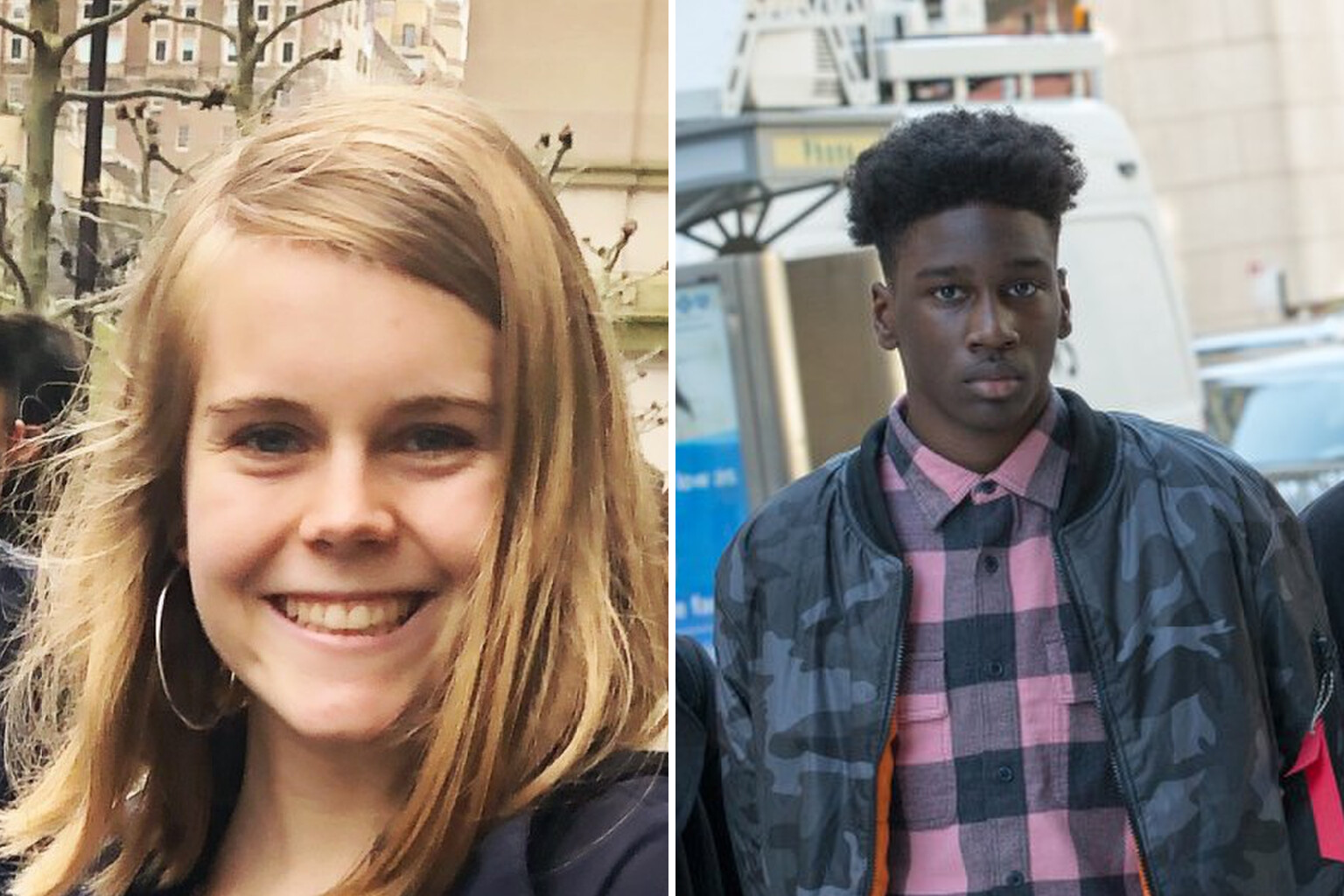
Luchiano Lewis, one of the three teens convicted in the 2019 murder of Barnard College freshman Tessa Majors, walked free from state prison last month after serving roughly three years behind bars.
Lewis, now 21, was released from Franklin Correctional Facility near the Canadian border on Oct. 14, according to state Department of Corrections and Community Supervision records. His conditional discharge came less than seven years into a sentence of nine years to life, and just two months before the seven-year anniversary of Majors’ slaying.
State law permits automatic release after an inmate serves two-thirds of their minimum term, though prison officials frequently block that privilege for convicts with violent disciplinary records. A DOCCS spokesman confirmed Lewis left on “community supervision,” which requires only a signed agreement to obey the law, maintain employment, and reside at an approved address.
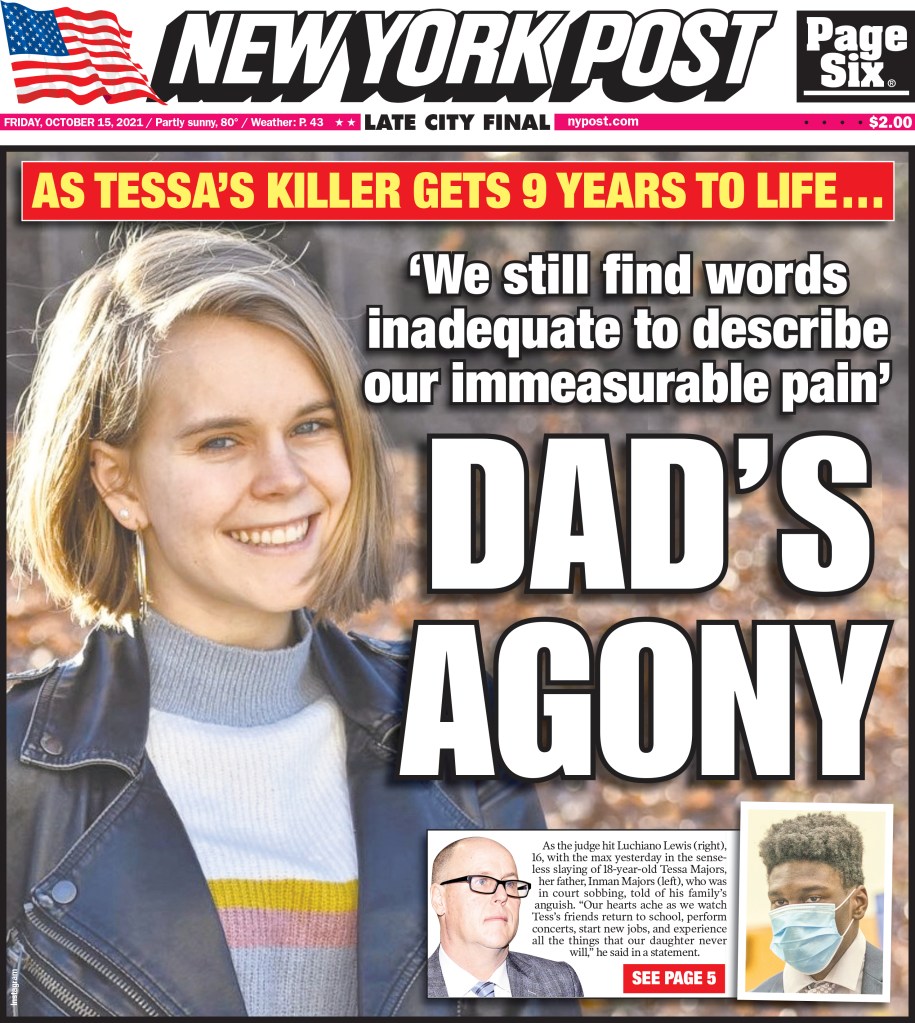
Manhattan Criminal Court Judge Robert Mandelbaum had sounded alarms about Lewis’ conduct long before the release. At Lewis’ October 2021 sentencing, Mandelbaum stated flatly that the defendant “has learned no lessons” and displayed no remorse. The judge also detailed Lewis’ juvenile detention record, which included slashing another prisoner while awaiting trial, multiple gang assaults, and possession of contraband weapons.
“I agree that one bad choice — even one horrific choice — standing alone should not prevent leniency in the case of a young offender,” Mandelbaum said in court. “But the defendant has demonstrated in a year and a half since this terrible incident that this was not an aberration.”
Defense attorney Mario Gallucci, a former city prosecutor, reacted with disbelief to the early release. “He shouldn’t have been released,” Gallucci said. “It doesn’t make any sense.”
Former NYPD Detective Michael Alcazar, now an adjunct professor at John Jay College of Criminal Justice, tied the decision to broader systemic failures. “It’s horrible for the family because that doesn’t seem like a lot of time for ending this young lady’s life,” Alcazar said. “I also think it’s a commentary on our criminal justice system. They seem to care more about the criminal population than the actual victims. So it’s very sad.”
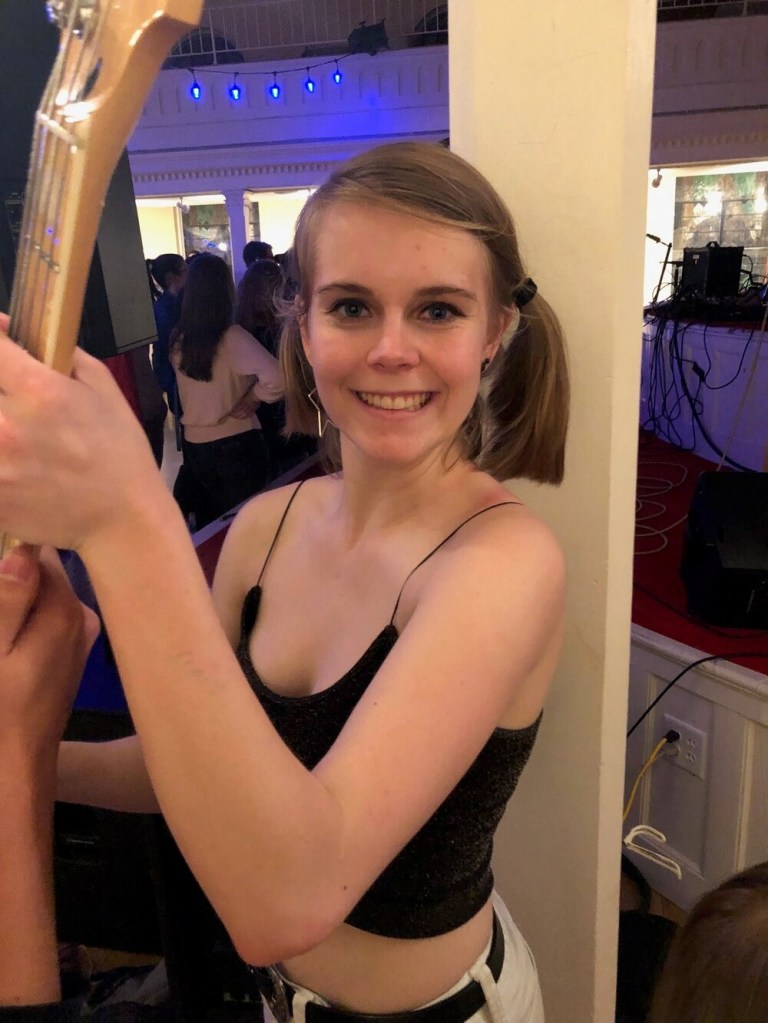
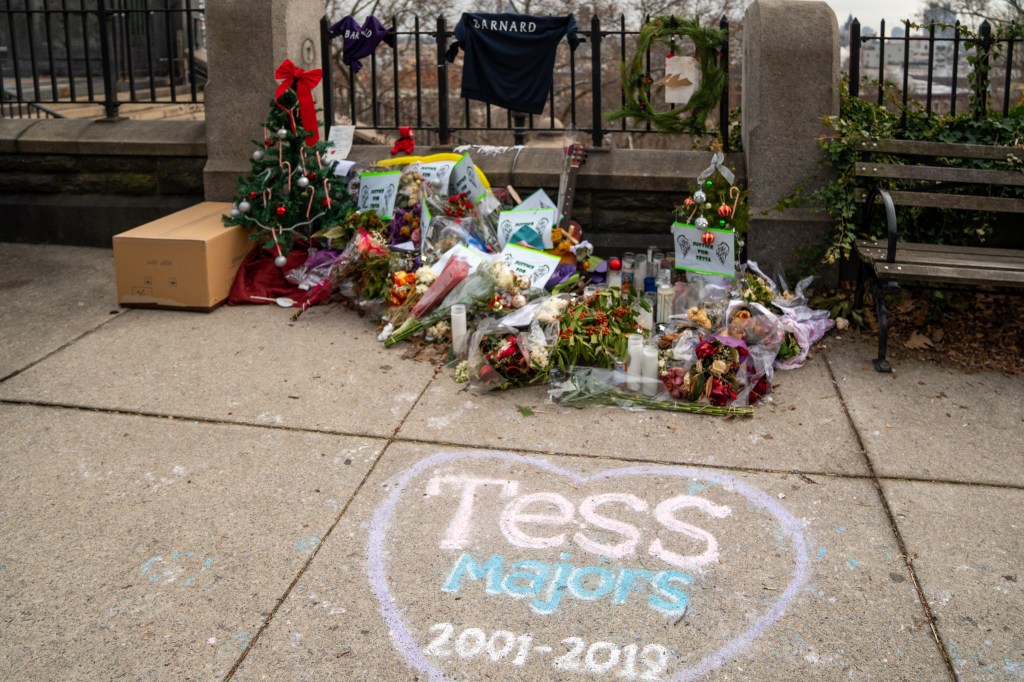
Majors’ parents did not respond to requests for comment, but her grandmother, Nancy Braun, 86, spoke about the family’s enduring grief. “She was just a wonderful granddaughter,” Braun said. “And we suffer every single day thinking about her and her short life and how… How those guys were so stupid.”
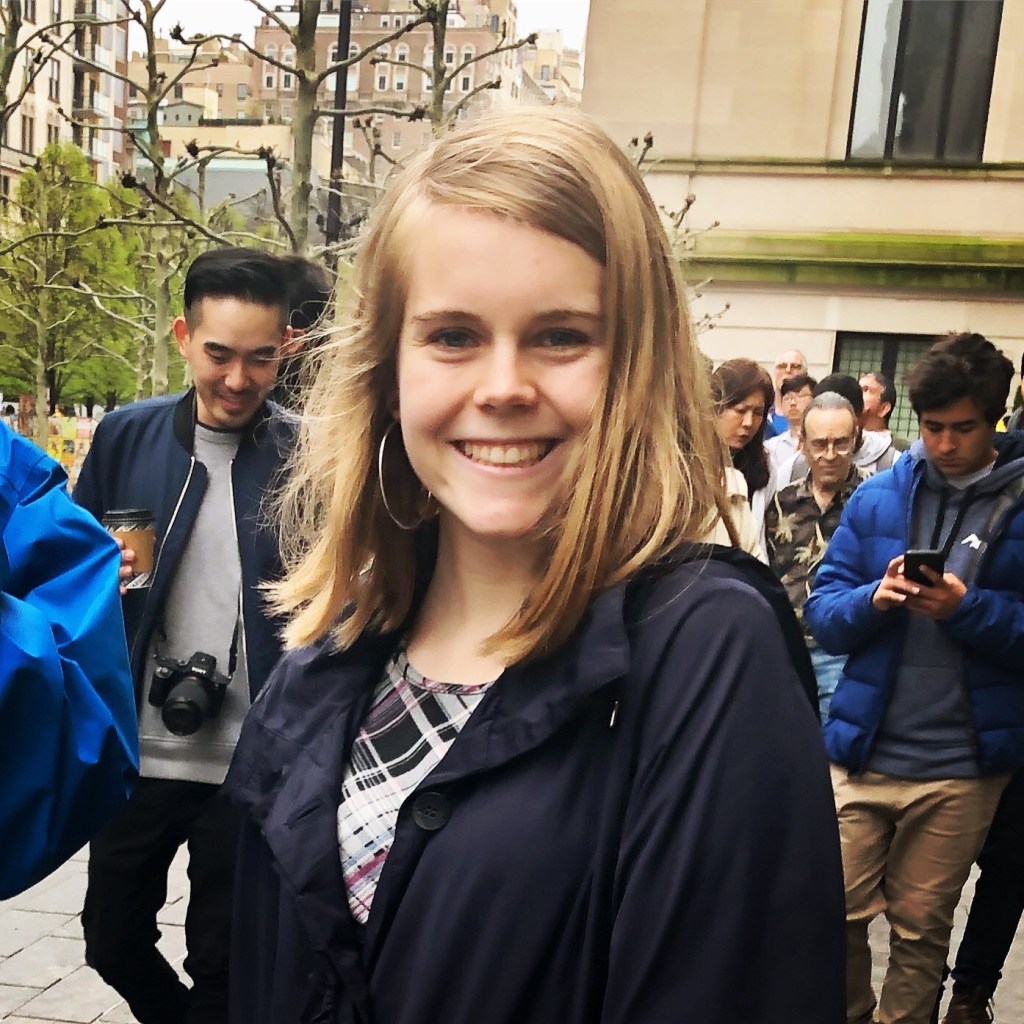
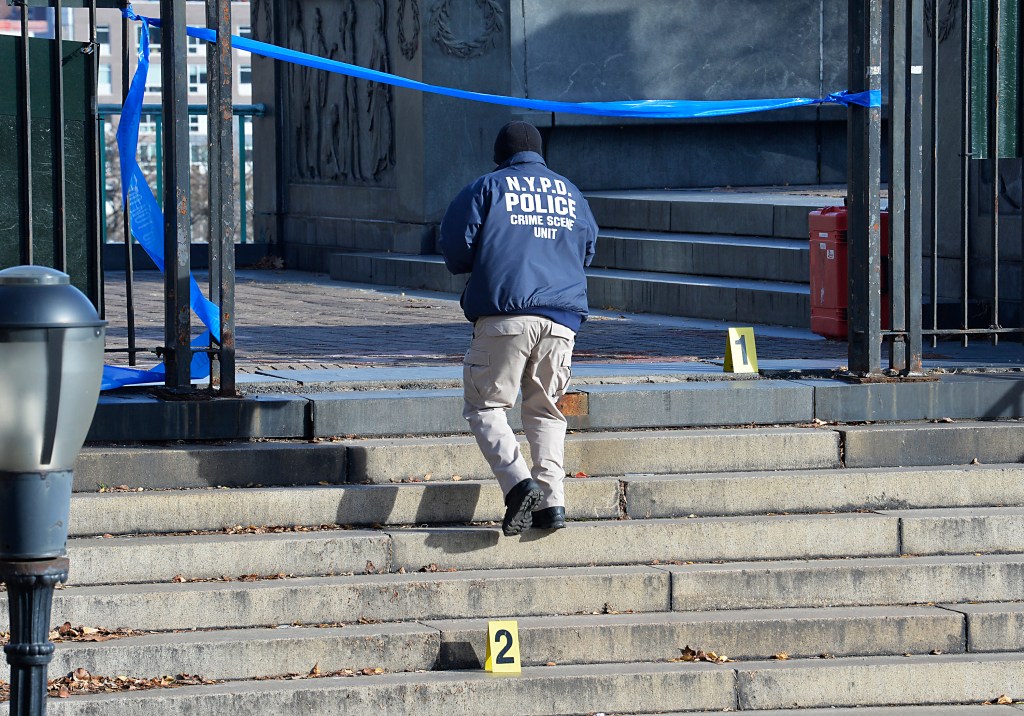
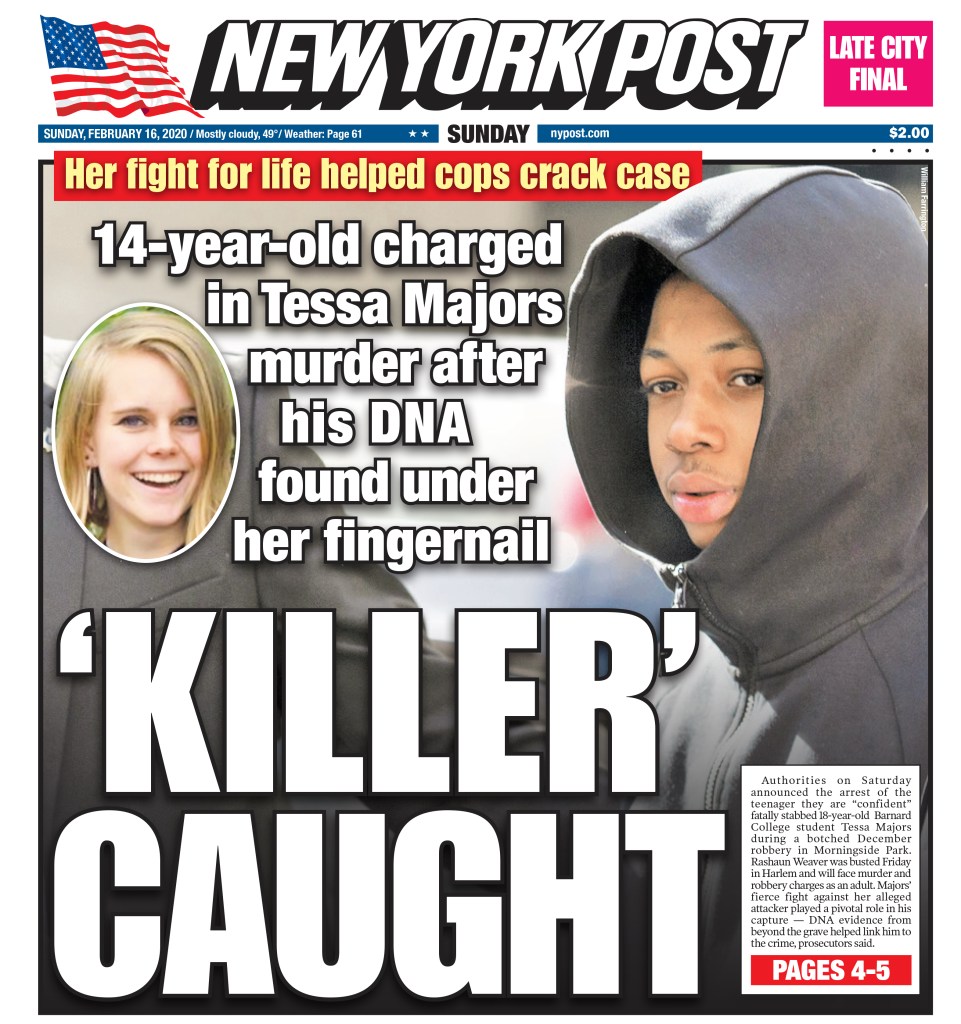
Lewis’ path to prison began on Dec. 11, 2019, when he, Rashaun Weaver, 14, and Zyairr Davis, 13 — all friends from PS 180 on West 120th Street — set out to rob someone in Morningside Park. They first targeted a man walking too fast to catch, then spotted Majors, 18, returning to her dorm around 7 p.m. While reading her phone. Weaver ran up behind her, kicked her in the back, and demanded her phone and cash. Majors fought back, biting Weaver’s finger and screaming “coward!” as Lewis held her in a headlock and yelled “witness” when a passerby appeared. Weaver stabbed her four times, including once through the heart, with such force that feathers from her down jacket scattered across the scene. Davis admitted to retrieving the dropped blade and returning it to Weaver. Lewis was arrested Feb. 19, 2020, and during his September 2021 guilty plea, recounted Majors’ defiant final words to her attackers: “Are you seriously trying to rob me?”
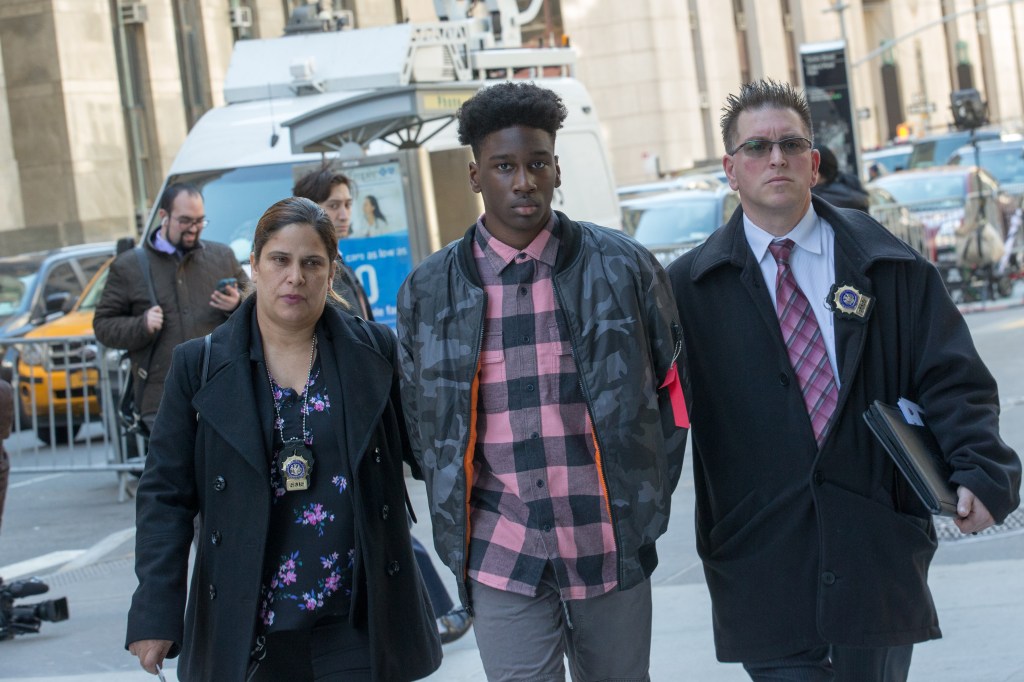
At his sentencing, Lewis apologized to Majors’ parents as her father, Robert Inman Majors, wept and turned away. “I’m deeply sorry for your loss,” Lewis said. He also apologized to his own father for failing him. Mandelbaum, presiding, declared that “the murder of Tessa Majors tore at the fabric of this entire city.”
Lewis’ time in custody traced a complicated route through New York’s fractured juvenile and adult systems. After his 2021 sentencing, the state Office of Children and Family Services held him in a secure center until he turned 18, at which point he finally transferred to state prison on Sept. 15, 2023 — meaning his entire state prison term lasted barely 13 months before his conditional release.
Both of Lewis’ accomplices remain incarcerated. Weaver is serving 14 years to life at Coxsackie Correctional Facility for the murder itself. Davis, who received only 18 months in juvenile detention for pleading guilty to first-degree robbery, landed back in custody after allegedly firing multiple shots into a Harlem crowd on April 8, 2023; he currently sits in Rikers Island on an unrelated attempted murder charge.
Lewis could not be reached for comment following his release.