

A federal judge ordered an Illinois ethanol plant worker held without bond after prosecutors detailed a cache of bomb-making materials and a facility map seized from his home and vehicle.
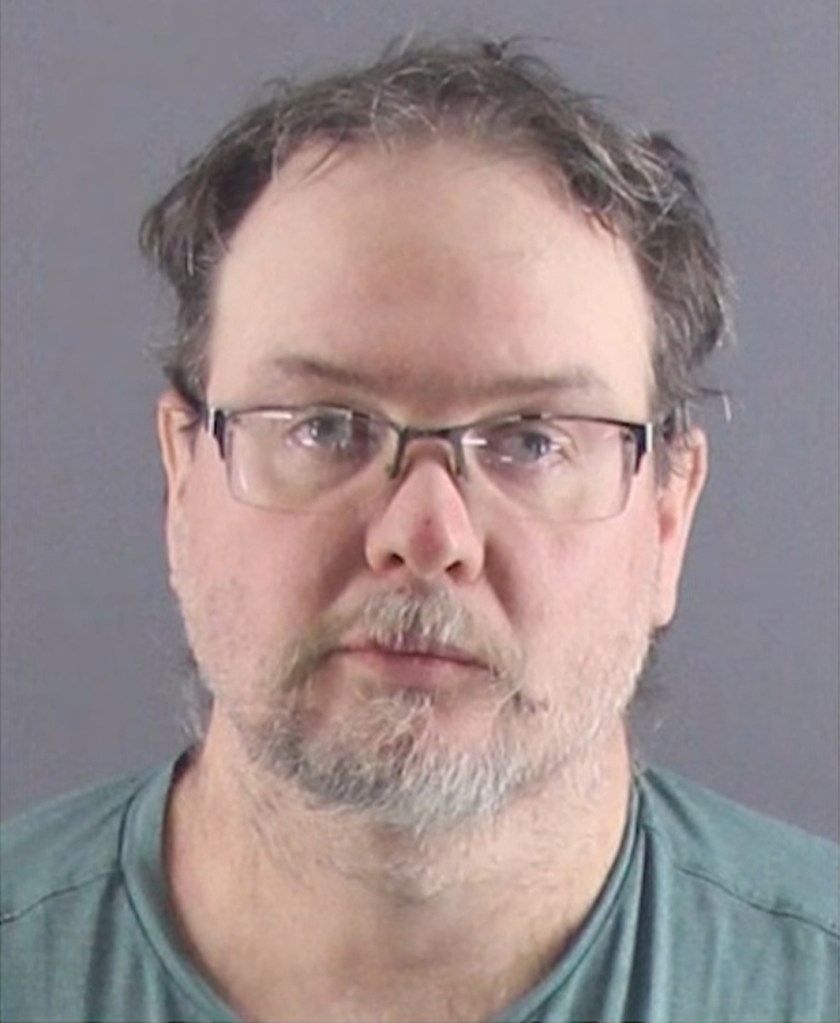
Andrew M. Kozak, of Chillicothe, appeared before Judge Ronald L. Hanna on Friday facing federal charges tied to a Nov. 13 bomb threat that forced roughly 2,500 homes and businesses across Peoria and East Peoria to evacuate for nearly 24 hours. Hanna ruled Kozak was both a danger to the public and a flight risk, noting his family had already left the area and citing his two-decade criminal record in Nebraska.
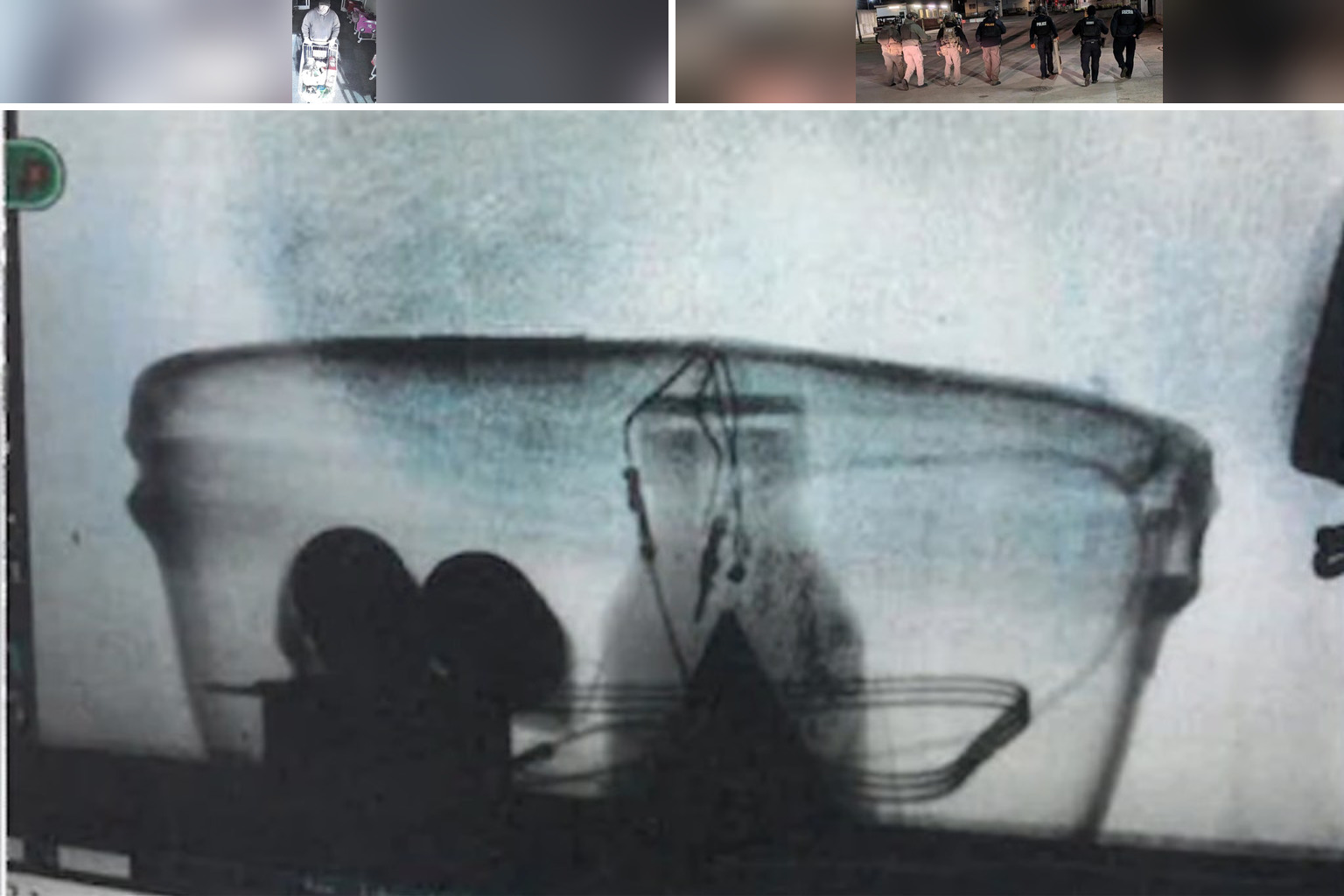
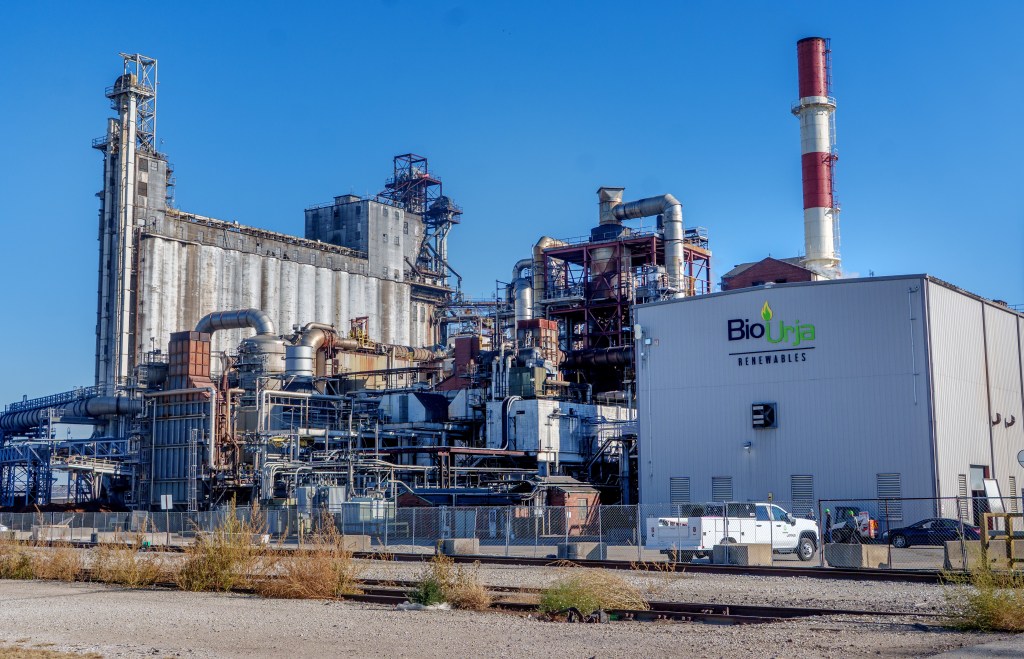
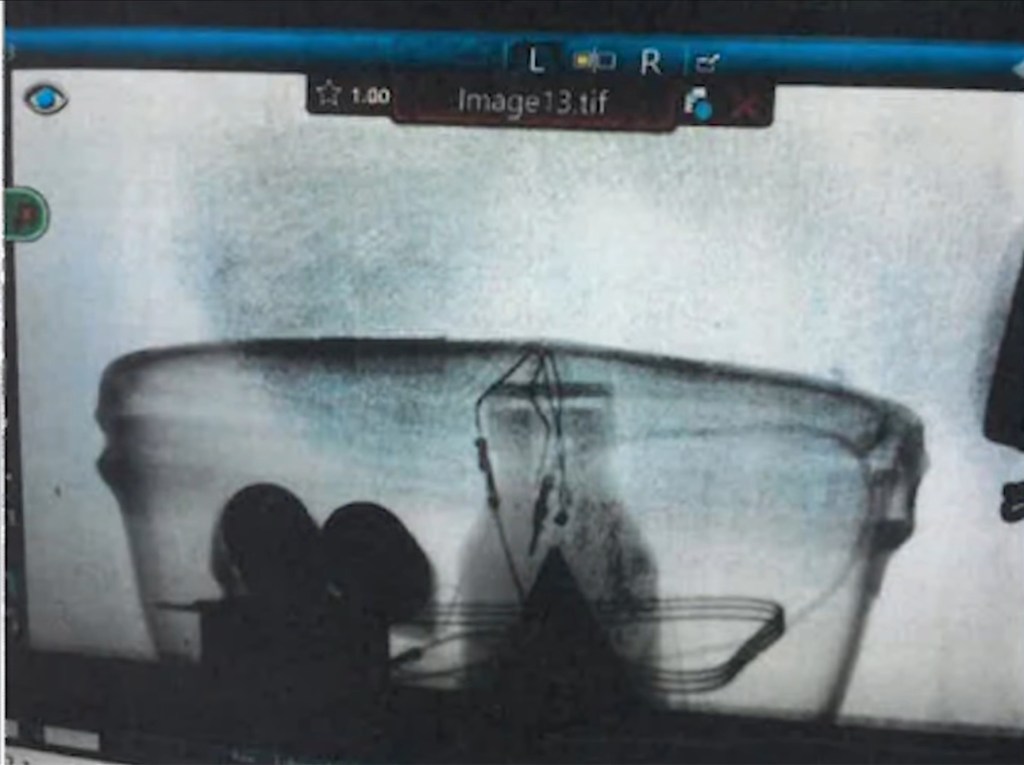
Prosecutors presented two slide presentations in court connecting physical evidence to the digital trail behind the scare. During a Nov. 16 search of Kozak’s home, FBI agents recovered AA rechargeable batteries, copper sheeting, wiring, and white tape, they told the court. The supplies matched components from a partially damaged device found near a tank at BioUrja Renewables, which contained a powdery substance and used timers or remote-control parts.
Agents also discovered a laptop missing its hard drive. They later found that drive inside Kozak’s vehicle alongside a map of the BioUrja facility, prosecutors said. Files stored on the drive covered shaped-charge explosives, a blasting cap well, and a video about copper-based explosives. Internet searches on the device included videos of ethanol tank blasts and a 2023 investigation into an industrial ethanol plant explosion.
Kozak’s public defenders pushed back in court, arguing that the batteries, tape, and wiring were ordinary household items. They stressed that prosecutors had not proved he built or planted the device, noting he is only charged with making threats.
Bill Daly, a former FBI investigator who worked on the 1993 World Trade Center bombing, addressed the absence of bomb-making or planting charges in the initial indictment. “They had enough to present for the indictment, and as they get more of the information, it gives them time to pull together more of the evidence,” he said. “It doesn’t mean that what he’s currently charged with may be the only charges — those charges can change and be updated as more information becomes available.”
Daly also said that the case stands out because bombers trying to cause mass casualties rarely warn targets ahead of time.
“Normally they wouldn’t be calling in a bomb threat,” he said, noting that investigators will examine whether the sender was trying to “be kind of the hero of the day” by pointing out security gaps or whether another workplace grievance was behind the scare.
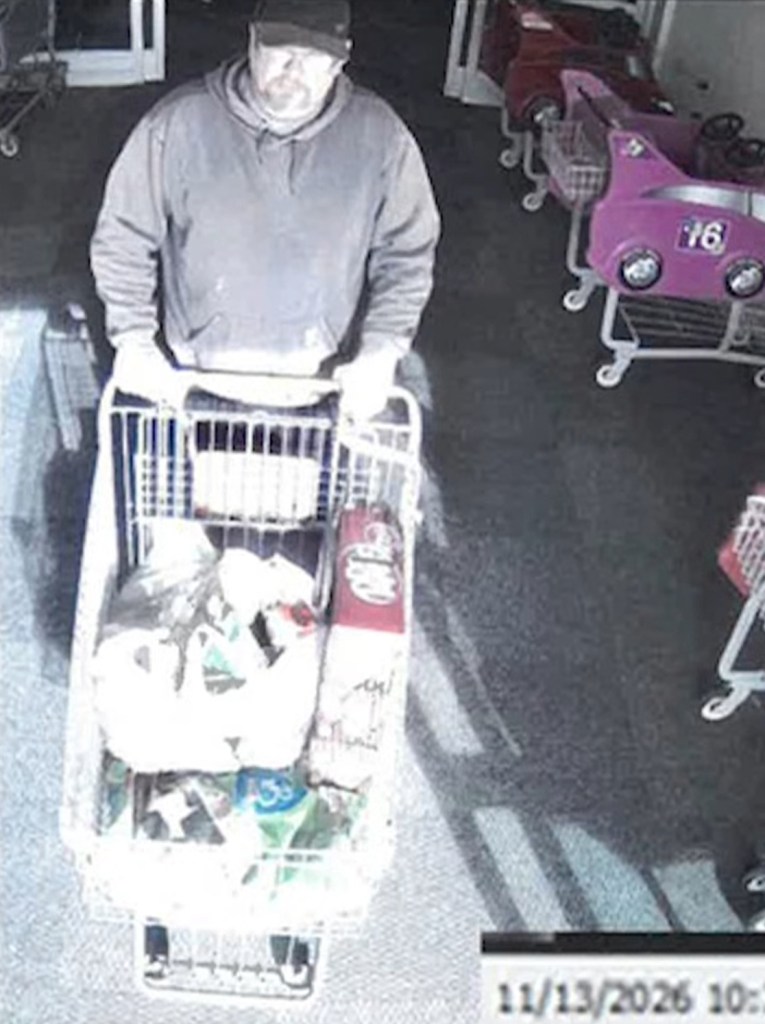
Prosecutors tied Kozak to the warning email using security footage and internet records from the morning of Nov. 13. The email carried the subject line “severe site security risk” and claimed multiple bombs were hidden inside BioUrja. Cameras captured Kozak arriving at a Peoria grocery store just before 9:45 a.m. Nearly 15 minutes later, someone on the store’s public Wi-Fi set up an email account under the name “Jake Armitage” — an alias Kozak’s wife reportedly told FBI agents he had previously used on Facebook. The threat went out at 10:16 a.m., two minutes before cameras showed Kozak walking inside the store wearing a sweatshirt from an old job. A license plate camera captured his vehicle leaving the lot after he checked out at 10:31 a.m. Investigators also traced activity on the email account back to an internet address at Kozak’s Chillicothe home.
Kozak had worked at BioUrja for about 10 months before being arrested when he showed up for work on Nov. 16. He pleaded not guilty on Nov. 17 to federal charges of making bomb threats and sending a threat across state lines. His Nebraska criminal history includes burglary-related convictions across four counties and two stints in state prison between 2008 and 2014.
Hanna warned in court that the explosive found at BioUrja was a working device that could have killed people and caused major damage.
A pretrial hearing is set for Dec. 3 before U.S. District Judge Jonathan E. Hawley.