

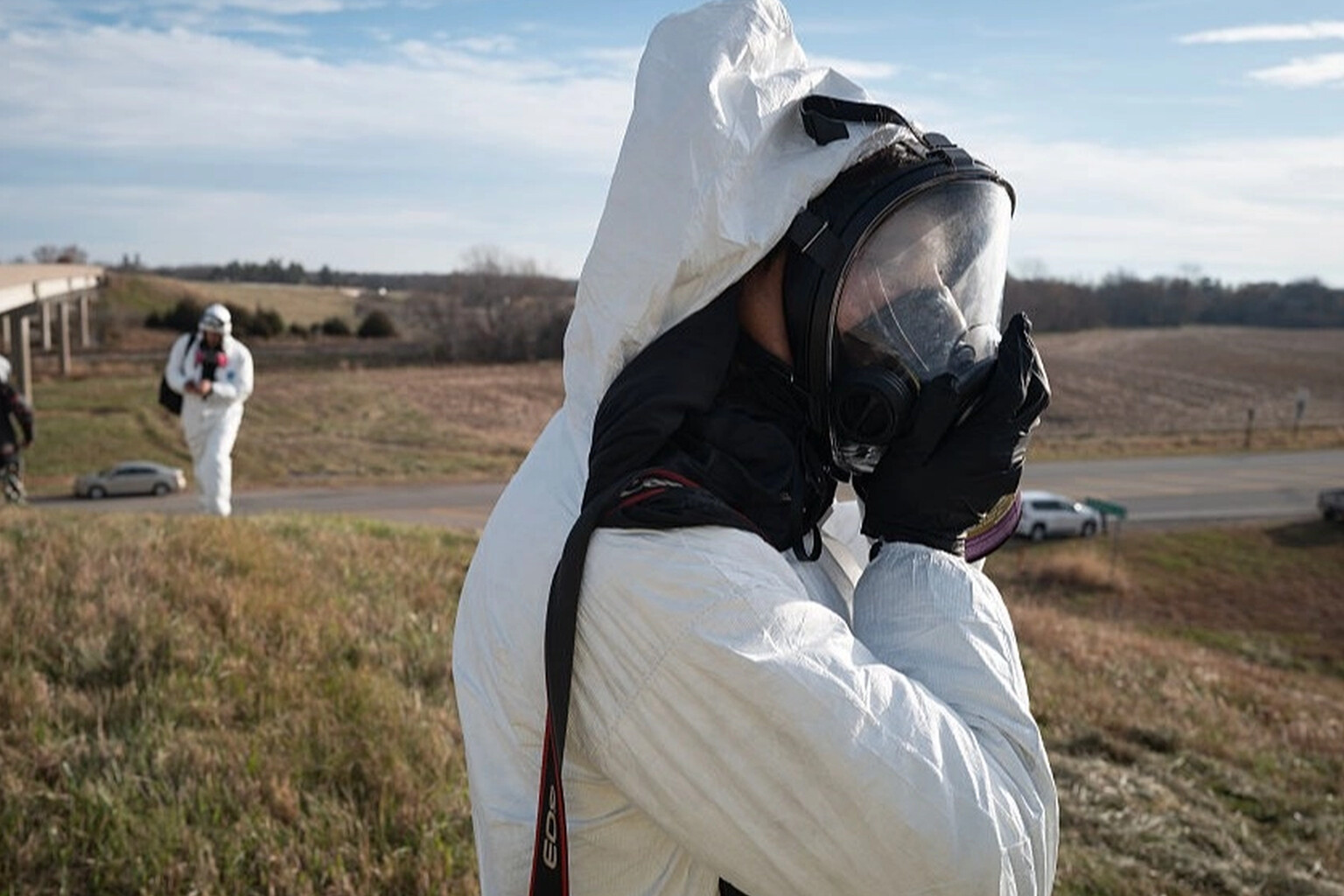
US Army officials have warned that toxic dust from a controlled lead explosion in Iowa could travel up to 100 miles into Missouri.
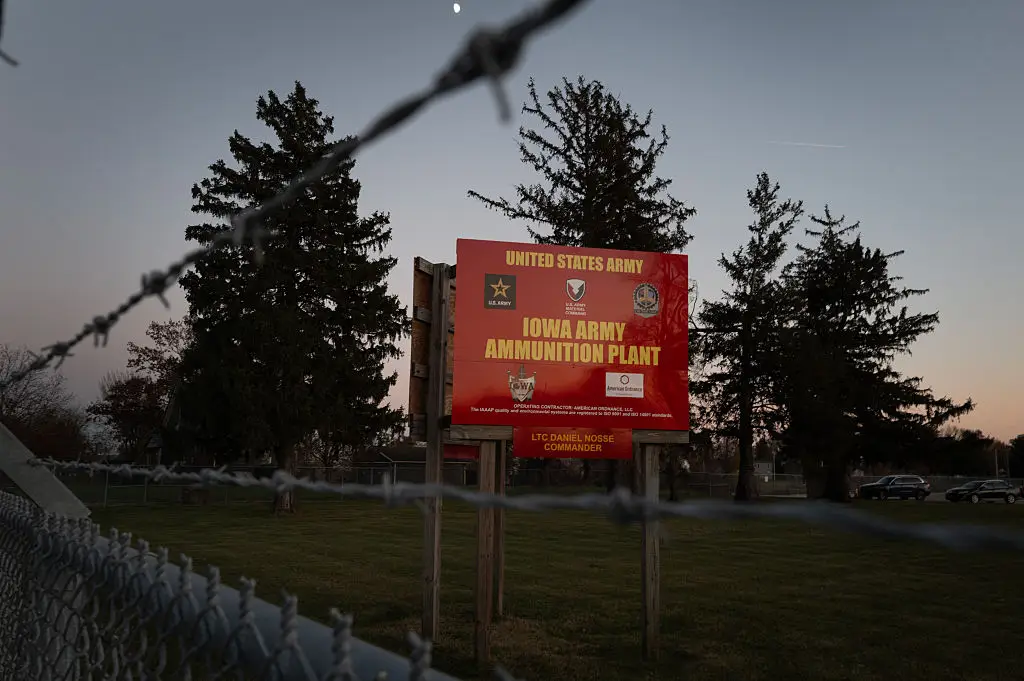
The detonation of nearly five tons of degraded lead azide took place Wednesday at the Iowa Army Ammunition Plant near Middletown, Iowa, sending a white and gray plume hundreds of feet into the air. Thousands of families had been evacuated from surrounding areas prior to the blast, which proceeded after unanimous approval from federal agencies and a federal appeals court denied a bid to stop it.
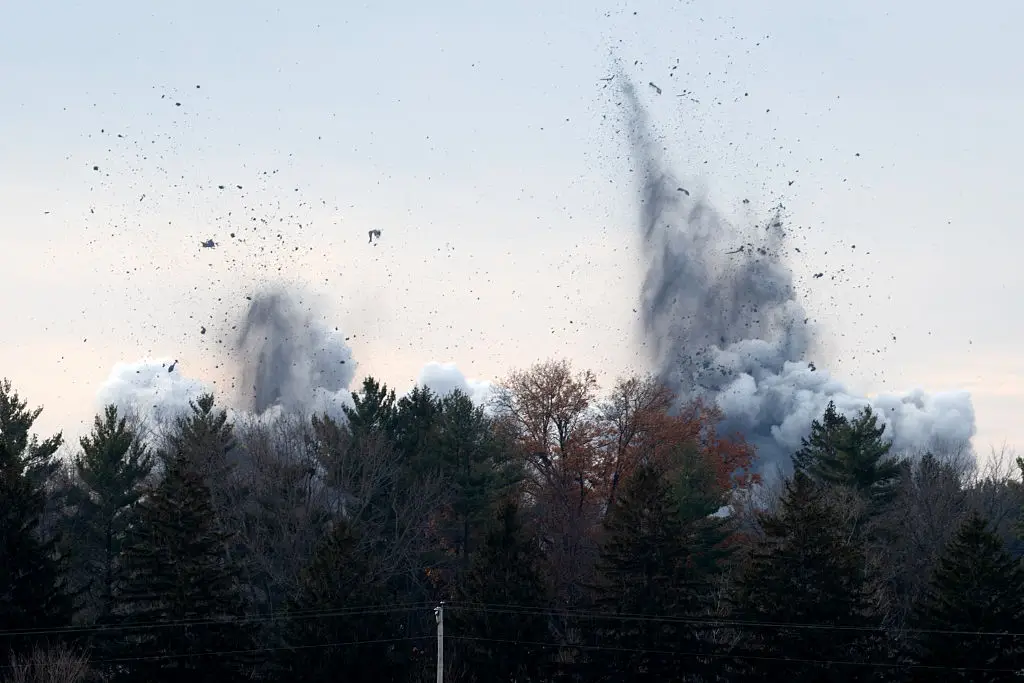
But in a disturbing update hours after the explosion, officials warned that evacuation was “no longer safe or advised.” Those within 5 to 20 miles of the site were instead instructed to stay indoors with windows and doors closed to block dust from entering.
According to maps published by the Army, winds are expected to carry potentially dangerous particles southeast past Macon, Missouri, toward Kansas City. The expanded warning represents a significant shift from earlier assurances about the blast’s containment.
In a statement issued Tuesday, officials had cautioned that “deposition of lead-containing dust may occur after the detonation on surfaces within certain areas affected by the detonation’s dispersion.”
“All people, but especially infants, children, pregnant women, adults and children with chronic diseases such as heart disease, kidney disease, or dementia, should avoid outdoor activities within affected areas until further guidance is provided,” they added.
Missouri Governor Mike Kehoe wrote on X following the demolition that “initial analysis shared with us by federal partners and Iowa Homeland Security and Emergency Management indicates that the mitigation measures appear to have been successful and the explosion was well-contained.”
However, David Gay, a former coordinator of the National Atmospheric Deposition Program, offered a different assessment of the lead particles’ long-term spread. He said that to reach the Mississippi River, the material “would have to go into another river and migrate downstream.”
“And by that time it will be very, very dilute,” Gay continued. “It’s always possible, but unlikely and very dilute concentrations.”
Gay suggested the lead particles would disperse relatively quickly, with contamination levels at the outer limits of the Army’s predicted fallout zone expected to be relatively low.
The facility had housed the highly sensitive explosive, commonly used to initiate munitions, for over 20 years. The Army had canceled a chemical treatment contract before opting for the detonation approach, according to earlier reports.
Airspace restrictions imposed by the Federal Aviation Administration over Middletown remained in place from Monday through Wednesday. Iowa Governor Kim Reynolds had ordered the activation of the state’s emergency operations center on November 20, five days before the blast.

The lead azide involved in Wednesday’s detonation had degraded over years of storage, making the material dangerously unstable and requiring urgent disposal. Military explosives experts carried out the controlled blast after legal challenges failed to halt the operation.