

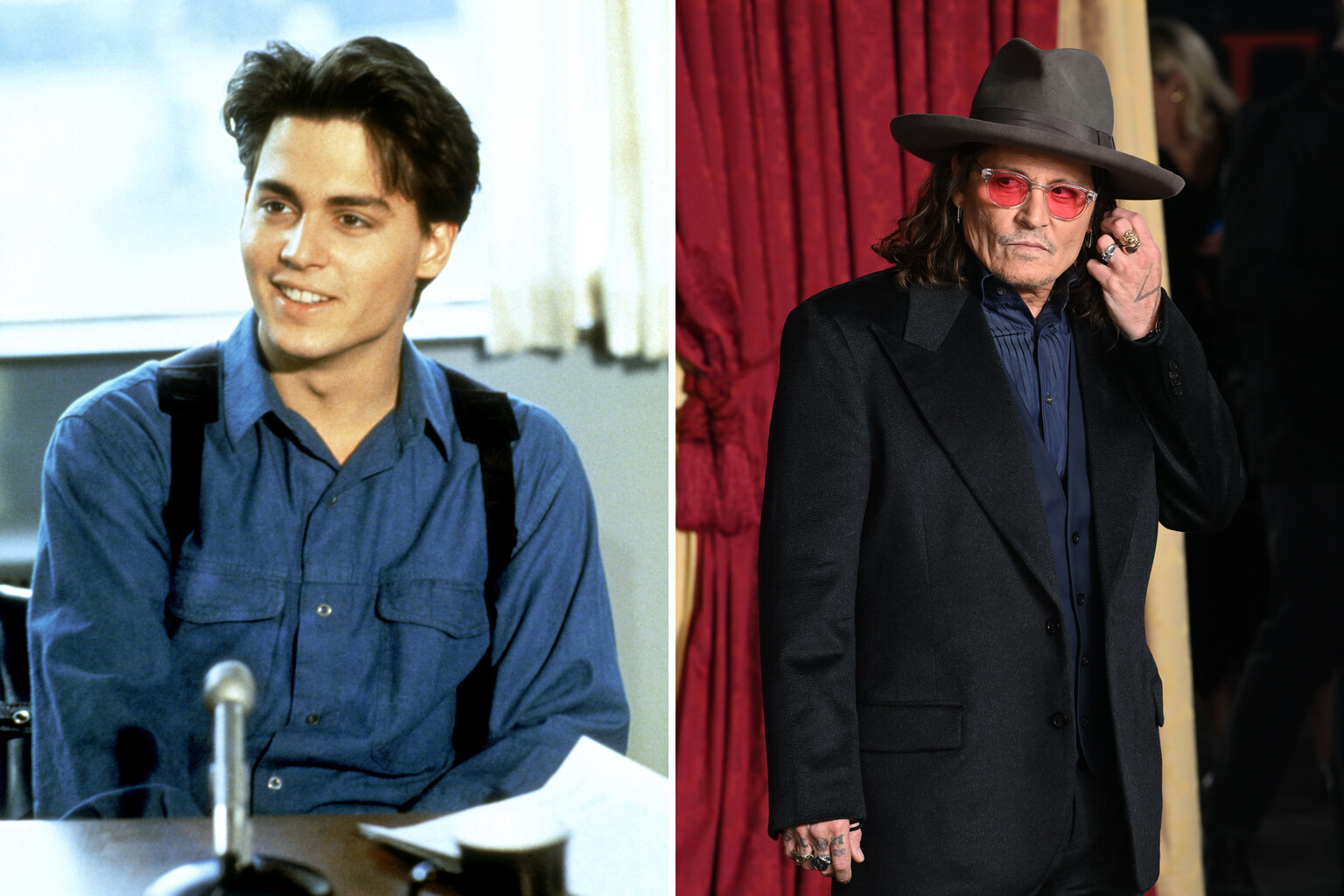
Johnny Depp, 63, deliberately sabotaged his own hit series “21 Jump Street” in a desperate bid to escape his teen-idol contract, according to explosive claims in a new biography.
Mark Seal’s “The Many Faces of Johnny Depp” reveals the actor’s escalating on-set stunts during the Fox drama’s second season in the late 1980s. Depp showed up to film dressed as Mahatma Gandhi, lit his own underwear on fire to protest his unclean trailer, and stuck a Band-Aid across his face to hide from cameras, Seal writes.
The Vancouver-filmed series, which ran from 1987 to 1991, made Depp the fledgling network’s breakout star and plastered his face across magazine covers nationwide. His paycheck climbed steeply with that fame: from $6,000 per episode in Season 1 to $12,000 in Season 2, then $45,000 by Season 3.
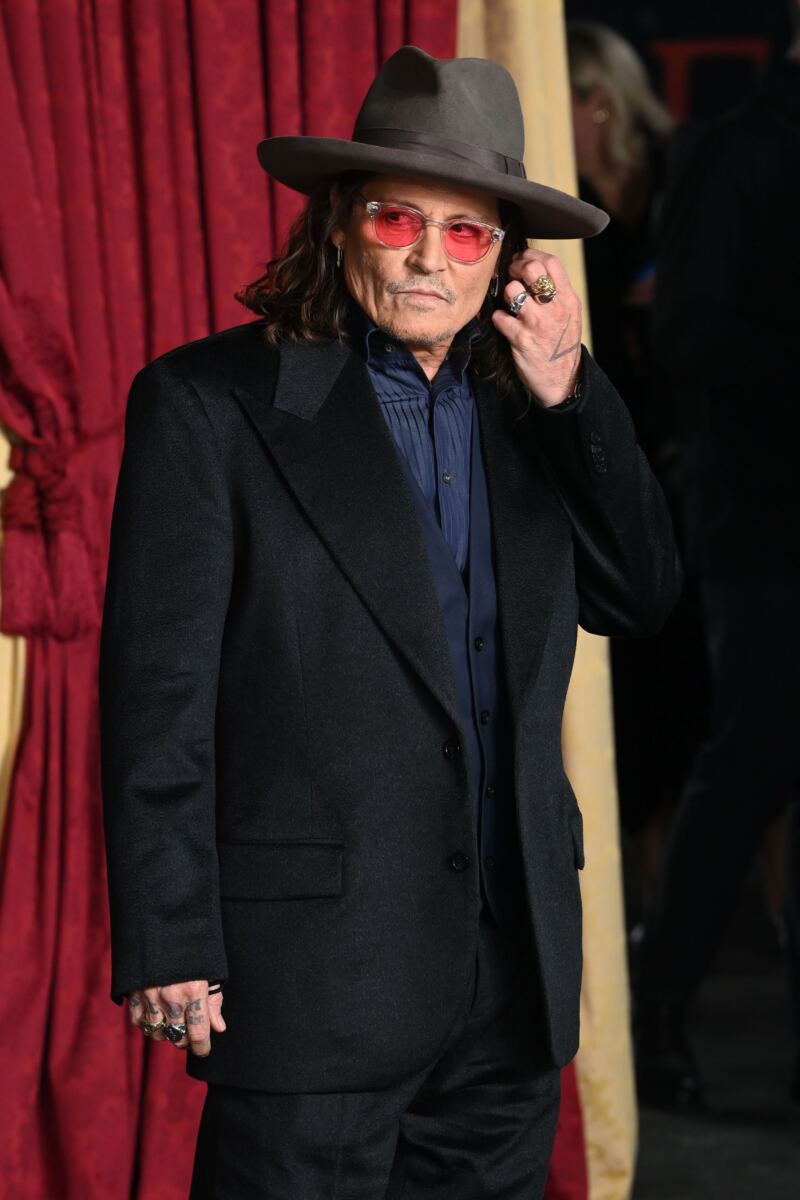
Depp’s paychecks could not buy his contentment. He found the show’s premise morally objectionable and said so in a 1990 interview with Sky Magazine.
“I don’t really agree with the idea of cops in high schools. Morally, I don’t agree with it. I think it’s slightly unjust; I think it’s borderline fascism,” he said.

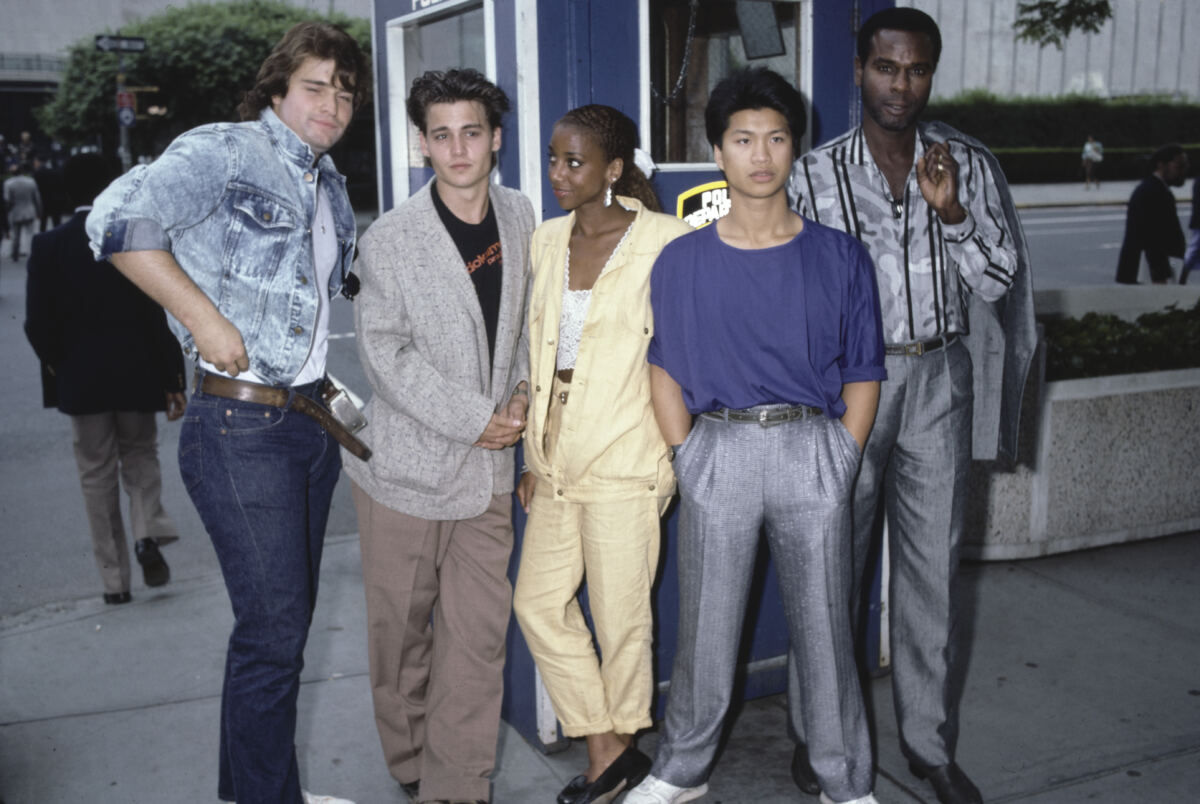
His co-star Holly Robinson confronted him directly about his destructive behavior, Seal reports. Robinson, who was “over the moon to be a part of this show,” found it exhausting “to come to work every day with someone who is pissing all over it.”
She marched to Depp’s Winnebago trailer to tell him exactly how she felt. The conversation did not go well.
“And right after that he trashed his Winnebago,” Seal writes.
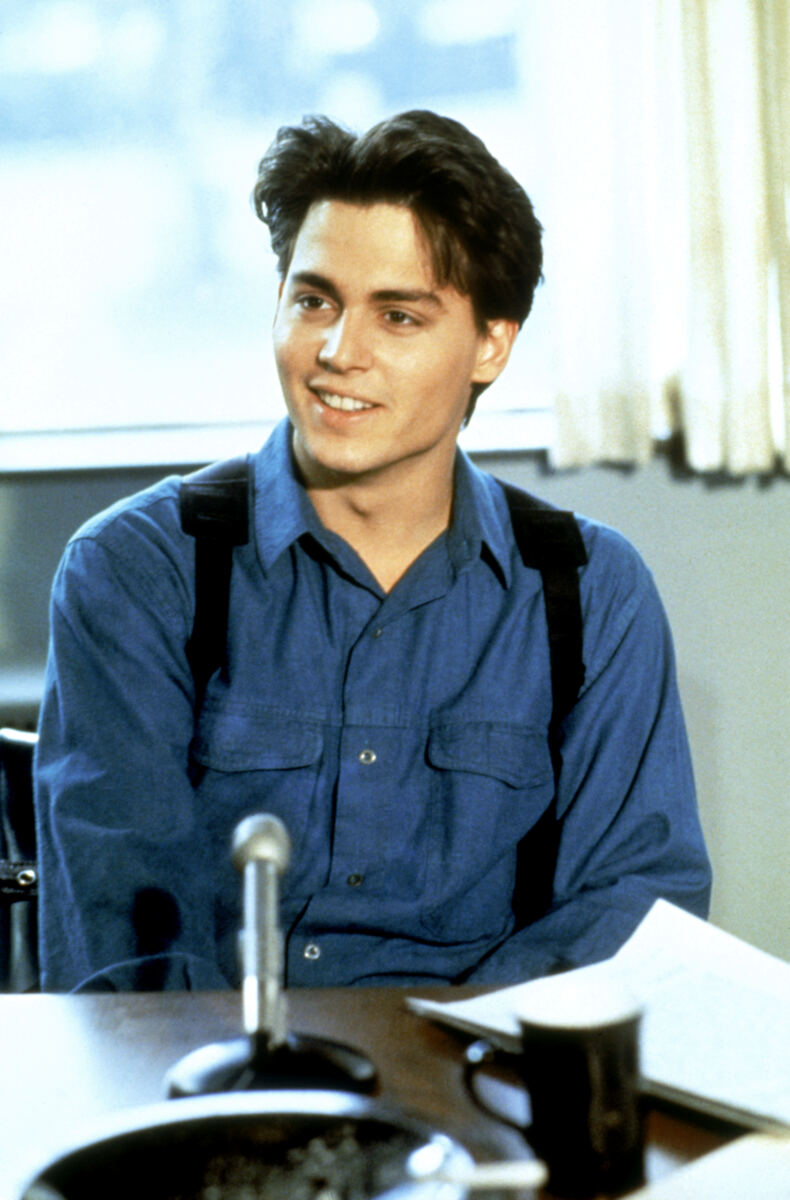
Robinson later reflected on the episode with mixed sympathy and exasperation. “He’s got a really great heart,” she recalled to Seal. “But he was frustrated. He just hated the idea of being on a lunch box or some teenage girl’s wall.”
Only Robinson among the cast called Depp out on “what an a–hole he was being,” according to the biography.
The actor’s rebellion extended beyond the set. He managed to get himself arrested and charged with assault following a confrontation with a security guard at a Vancouver hotel party. The legal trouble still failed to spring him from his contract.

Depp grew so desperate that he offered to work for free if the producers would simply release him from his obligations.
He eventually found a partial escape valve through film roles that mocked the very image that made him famous. He starred in John Waters’s 1990 musical comedy “Cry-Baby” as a 1950s rebel who falls for a straitlaced girl, deliberately weaponizing his rebel persona against his teenybopper branding.
Seal’s biography also traces the staggering financial arc of Depp’s career, documenting both the enormous fortunes he accumulated and the equally spectacular sums he reportedly burned through.
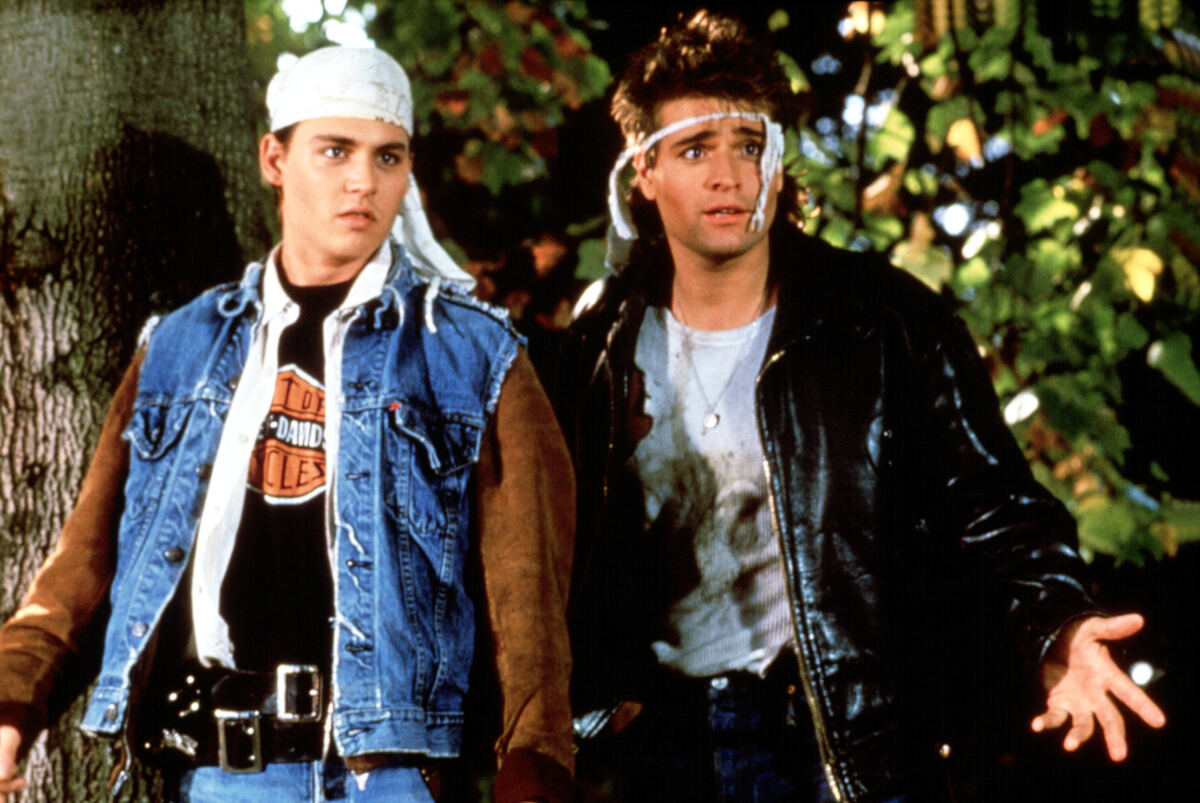
Depp’s “21 Jump Street” antics have long been part of Hollywood lore, but Seal’s account draws on fresh interviews to reconstruct the specific details of his self-sabotage campaign. The Gandhi costume, the flaming underwear, the facial Band-Aid, and the trailer destruction all formed part of a calculated effort to make himself unemployable on the show that had made him a star.
“The Many Faces of Johnny Depp” is currently available for purchase.