

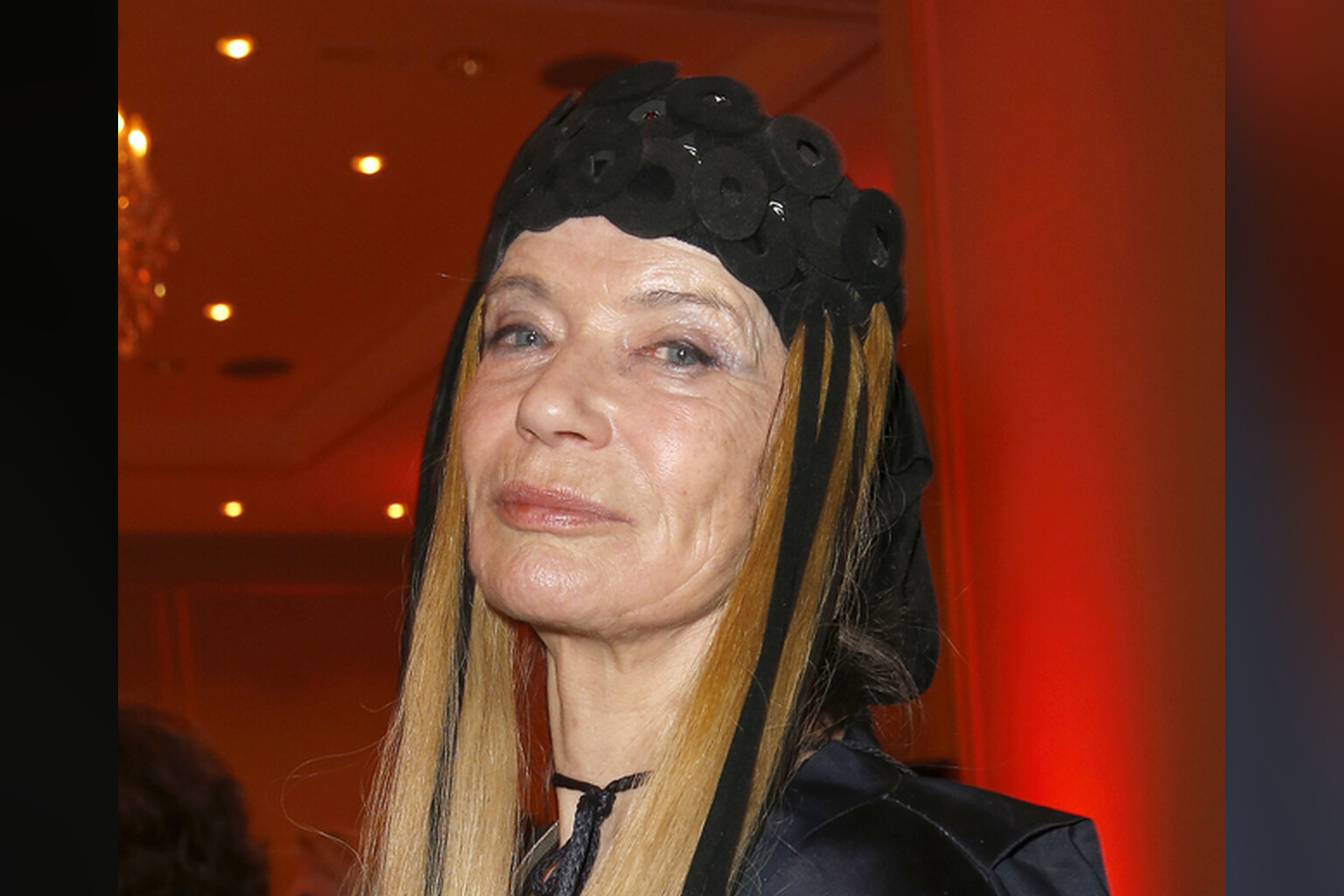
Vera “Veruschka” Lehndorff, one of the world’s first supermodels, has died at 87, her sister announced.
Countess Vera von Lehndorff passed away on November 24, in Berlin, her sister Catharina Kappelhoff-Wulff revealed through her clothing brand’s website. The German-born model, known professionally as Veruschka, helped define the supermodel era of the 1960s and 1970s with her striking six-foot frame and androgynous beauty.
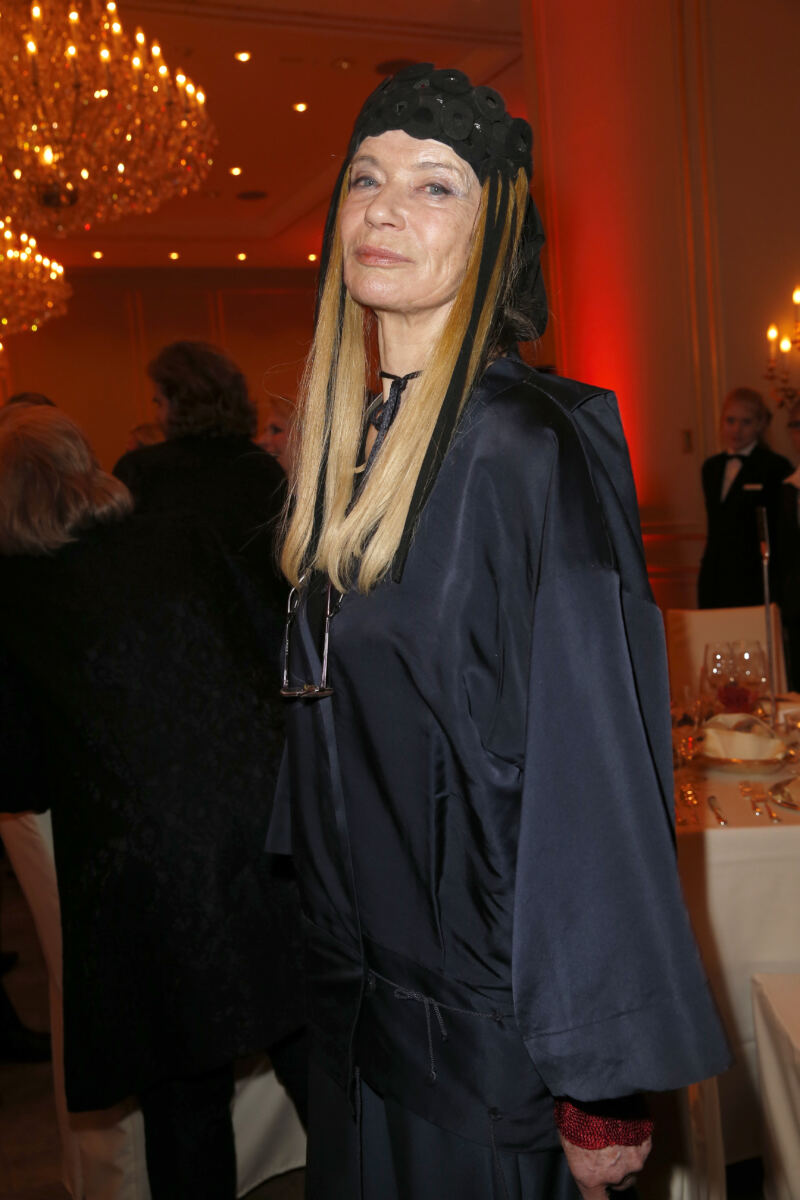
Kappelhoff-Wulff stated on her clothing brand’s website: “On November 24, Countess Vera von Lehndorff died in Berlin at the age of 87.”
The announcement came from a family business channel rather than traditional media, reflecting how the Lehndorff sisters intertwined their personal and professional lives. Kappelhoff-Wulff continued: “We mourn the loss of an extraordinary woman, Catharina’s sister, and an artist who shaped our house from the very beginning.”
That final phrase pointed to Veruschka’s deeper role in the family enterprise beyond her global fame. Born into Prussian aristocracy in 1939, Vera von Lehndorff survived wartime displacement and family tragedy before transforming herself into the era’s most photographed face.
Her professional name Veruschka became synonymous with high fashion editorial, particularly her collaborations with photographers like Franco Rubartelli and her appearances in Vogue. The model’s aristocratic bearing and unconventional looks challenged the period’s more demure beauty standards.
By the late 1960s, she had expanded into acting, most notably appearing in Michelangelo Antonioni’s 1966 film “Blow-Up,” the cult classic that captured London’s mod scene. Her screen presence remained intermittent compared to her runway and editorial dominance.
The sisters maintained their connection through Kappelhoff-Wulff’s clothing brand, where Veruschka’s artistic influence apparently extended behind the scenes. The death announcement’s wording suggested she had contributed to the label’s identity from its inception rather than merely lending her famous name.
Veruschka’s modeling career represented a bridge between old-world European glamour and the emerging celebrity fashion culture that would eventually produce the modern supermodel phenomenon. Her aristocratic background made her an anomaly in an industry increasingly drawn to working-class stories, yet her otherworldly appearance proved impossible for editors to resist.
The Berlin death notice closed one of fashion’s most distinctive chapters, coming from the same city where the young Vera von Lehndorff had once fled as a refugee child. No funeral details were included in Kappelhoff-Wulff’s statement.