

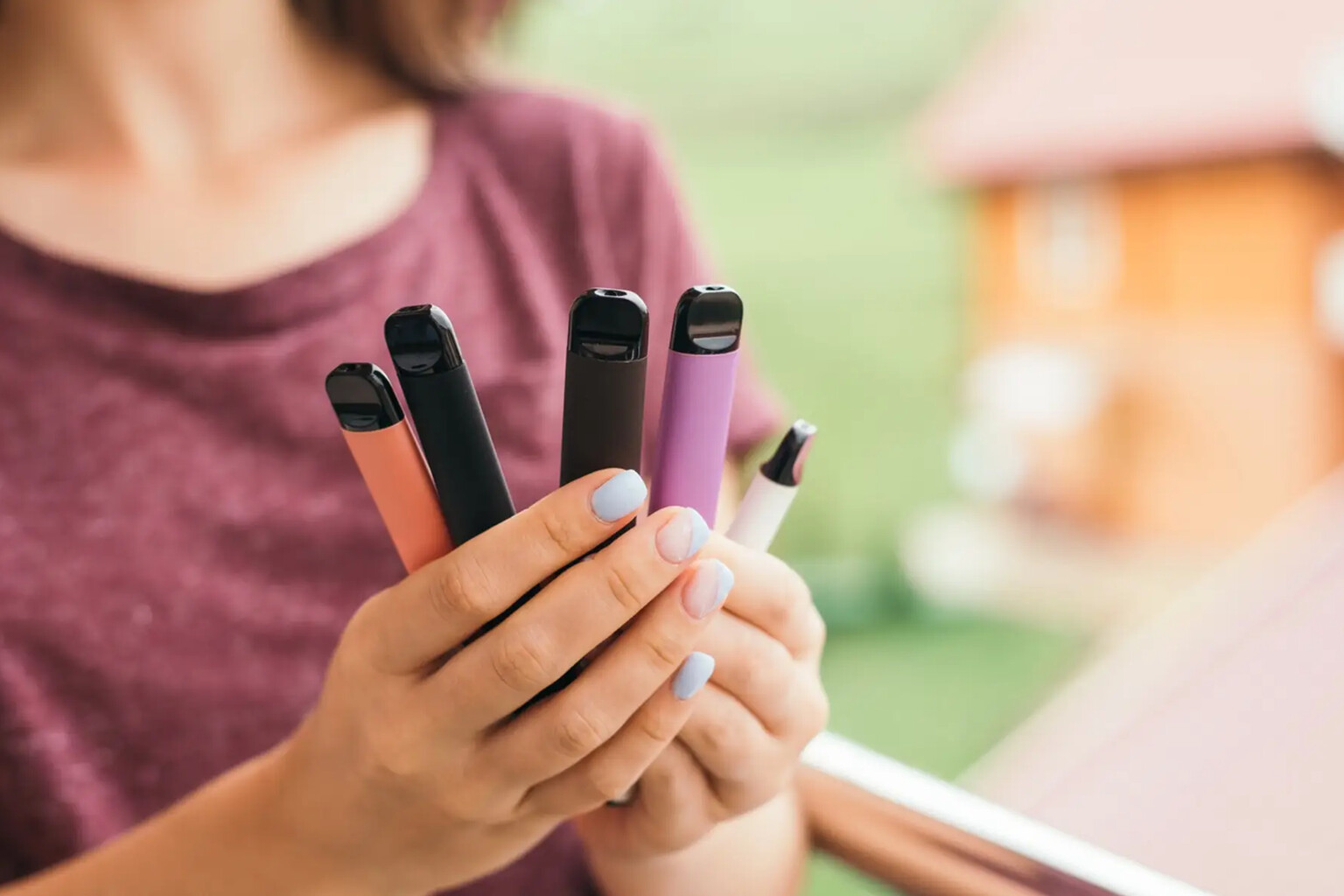
A small study has tied heavier daily vaping to steeper declines in a key measure of lung function among young adults over roughly one year.
The preliminary findings, published in Tobacco Control and distributed by the British Medical Journal, tracked 22 e-cigarette users aged 21 to 35. Each participant underwent lung function testing at the study’s outset and again an average of 12 months later, with sessions scheduled between 9 and 11 a.m. To ensure 12 hours had passed since any tobacco product use.
Researchers measured forced expiratory volume in one second (FEV1), which gauges how much air a person can exhale in a single second, alongside forced vital capacity and the ratio between the two. In the second round of testing, FEV1 showed a significant reduction overall.
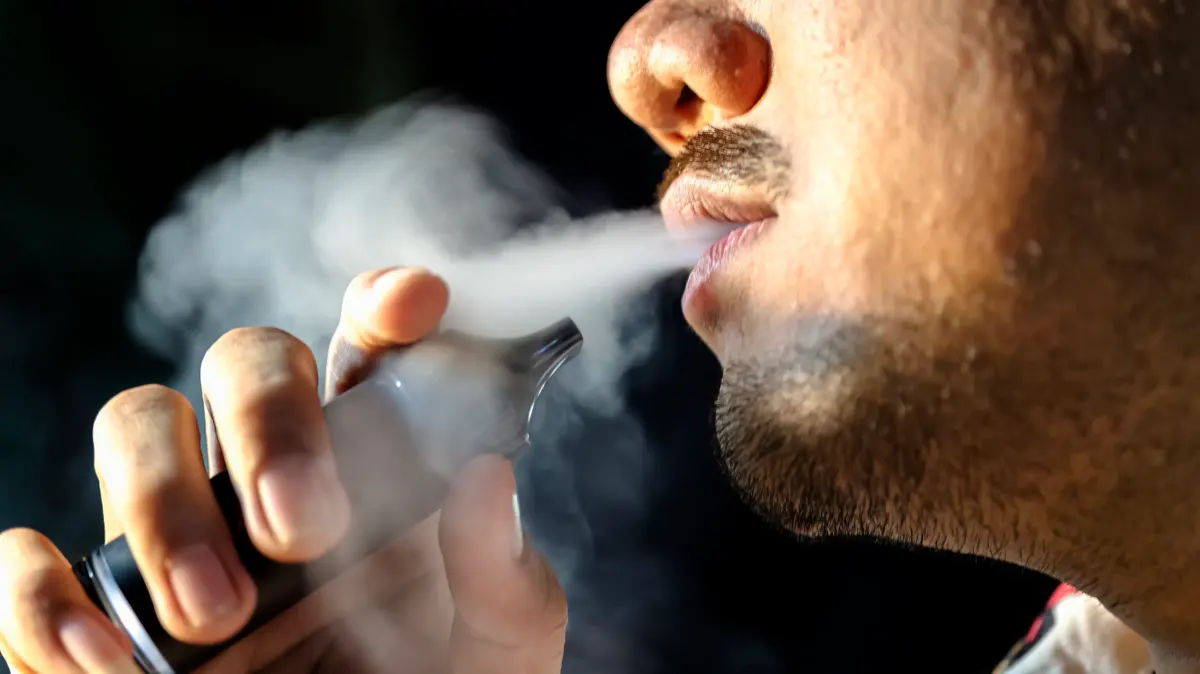
The data revealed a clear dose-response pattern tied to daily vaping frequency. Compared with those who vaped 0-4 times daily, participants who vaped 5-9 times per day saw a 100 ml drop in FEV1. That decline deepened to 190 ml among those vaping 10-29 times daily, and reached 240 ml for those using e-cigarettes 30 or more times per day.
After adjusting for age, sex, race, height and vaping frequency, the downward trend in FEV1 with increased daily use did not reach statistical significance. The team acknowledged the study’s limitations, including its small sample size, the absence of a tobacco-free comparison group, and reliance on just two measurement points to assess chronic effects.
Still, they maintained the work carries weight. The researchers wrote: “While an accelerated decline in FEV1 requires more lengthy observations and tobacco-free controls, this study provides the first indicator of the potential of prolonged e-cigarette use to have persistent and clinically important cumulative effects on FEV1 and pose a COPD risk.”
They added: “This study provides credible evidence of the effect of prolonged exposure to e-cigarette use on the pulmonary functions of young adults and its dose-response relation.”

COPD, or chronic obstructive pulmonary disease, is a life-limiting condition marked by progressive loss of lung function. FEV1 decline is a hallmark of the disease, making the observed drops in young, otherwise healthy users particularly notable to the research team.
Participants self-reported their daily vaping habits as part of the study protocol. The 12-hour abstinence window before testing was designed to capture baseline pulmonary function without acute nicotine or aerosol effects.
The researchers emphasized that further investigation is needed to confirm and extend the findings. They pointed to the need for longer follow-up periods and control groups that never used tobacco or nicotine products to isolate e-cigarette effects more cleanly.
The study arrives amid intensifying scientific scrutiny of vaping’s long-term health consequences. Recent major reviews have linked e-cigarette chemicals to heart health risks and identified probable connections to lung and oral cancers, though much of the evidence remains emerging.
The BMJ-published findings center specifically on pulmonary function rather than cancer or cardiovascular outcomes. The team’s focus on FEV1 reflects the measure’s established role as a predictor of respiratory disease progression and mortality.
With youth and young adult vaping rates remaining substantial in multiple countries, the researchers flagged the cumulative nature of the exposure as a key concern. Even modest individual declines in lung function, they suggested, could compound over years of sustained use into clinically meaningful impairment.
The study did not distinguish between e-liquid flavors, nicotine concentrations, or device types, leaving open questions about whether certain product characteristics drive the observed FEV1 changes more than others.