

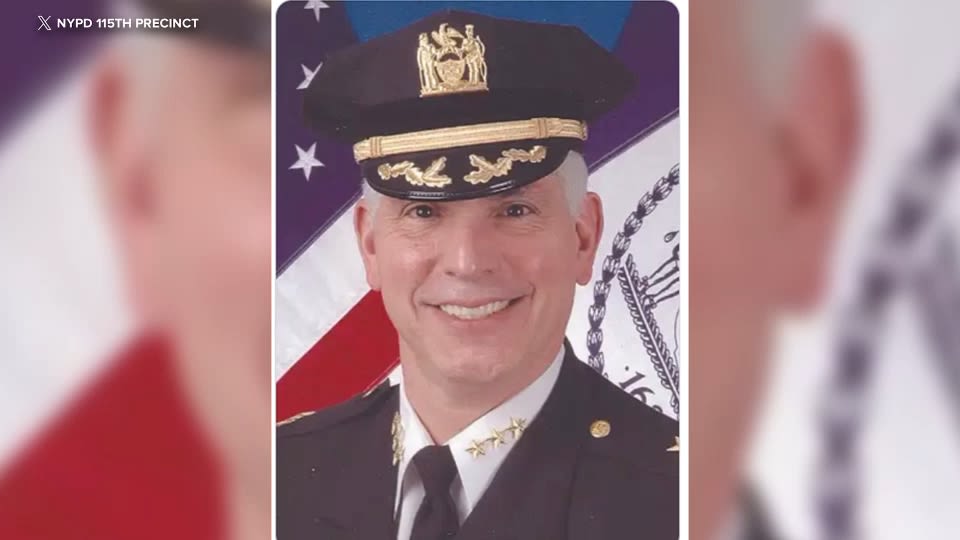
Retired New York City Police Chief Anthony Izzo, 75, drowned in the backyard pool of his Long Island home on Friday evening, authorities said. His body was discovered by a family member around 7:45 p.m. At his residence on Malverne Lane in Stony Brook.
First responders, including officers from the Sixth Precinct and members of the Stony Brook Fire Department, pulled Izzo from the pool and performed CPR. He was transported to Stony Brook University Hospital, where he was pronounced dead. Investigators do not suspect foul play, and authorities believe the drowning was non-criminal in nature.
Izzo had a distinguished career spanning nearly four decades in law enforcement. The son of a New York City police officer, he began his law enforcement career in 1968 as a 17-year-old police trainee with the NYPD. He worked his way through the ranks and rose to significant positions within the department.
His early command experience came in 1995 when Izzo was chosen to command the 115th Precinct in Jackson Heights, Queens, one of the city’s busiest neighborhoods. His policing strategies at that precinct earned recognition from the International Association of Chiefs of Police, which awarded him its Community Policing Award for best practices, initiative, and creativity.
In 1998, Izzo was named commanding officer of the 75th Precinct in Brooklyn, where he made a lasting impact. Within just one year of his command, the precinct’s murder rate dropped to levels not seen in more than 30 years. The NYPD acknowledged this milestone in 1999 by awarding the members of the command its prestigious Unit Citation Award.
Izzo later served as executive and commanding officer of Patrol Borough Bronx from September 2000 through October 2003. In 2003, he was called upon to command the NYPD Narcotics Division. His ultimate achievement came in January 2006 when Police Commissioner Raymond Kelly appointed him to command the Organized Crime Control Bureau, overseeing approximately 2,100 detectives.
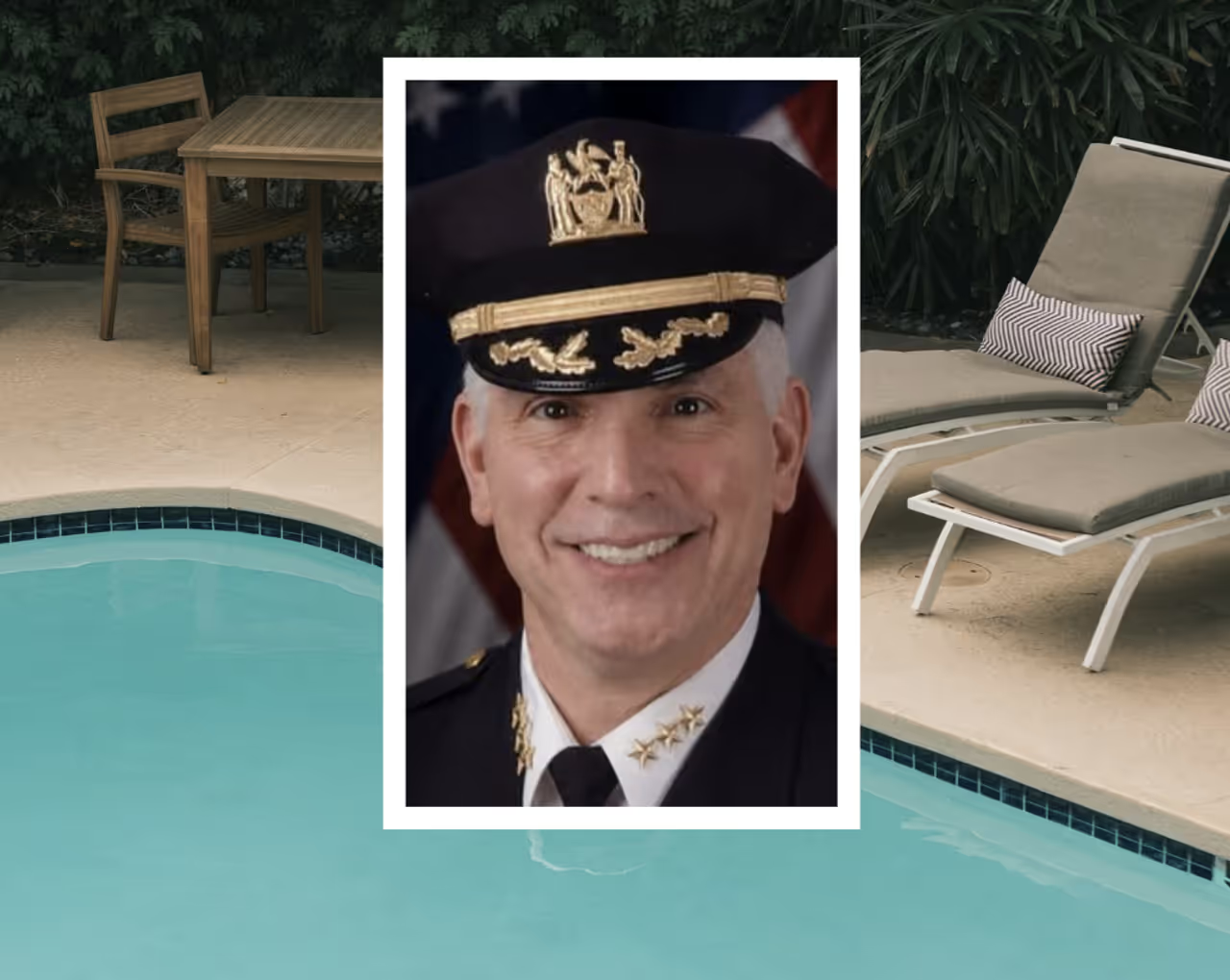
His death prompted heartfelt tributes from across the department. “Chief Izzo dedicated decades of his life to protecting New Yorkers and supporting the men and women of the NYPD,” the Detective Endowment Association wrote. The 115th Precinct, where he had served as commanding officer years earlier, released its own statement, saying “His leadership and dedication to the people of New York City left a lasting legacy.”
The NYPD Columbia Association, a fraternal organization representing Italian heritage within the department, also issued a tribute. The organization described Izzo as a proud police chief and Italian-American. “Chief Izzo was more than a distinguished member of the NYPD. He was a Lifetime Member of the Columbia Association, a former Man of the Year honoree, and a longtime supporter and friend of our Association,” the nonprofit wrote. “We are grateful for his years of service, his friendship, and his continued support of our Association.”
Izzo’s career reflected an era when NYPD leaders built their advancement through decades of street-level work, command responsibility, and institutional loyalty. His rise through the ranks contributed to shaping the department’s approach to both organized crime investigation and neighborhood policing during a transformative period in New York City history. Multiple police organizations and precincts mourned his passing and recognized the lasting mark he left on the department and the communities he served.