


Roughly 350,000 Haitian immigrants lost federal work authorization and deportation protections as Temporary Protected Status came to an end on July 27, 2026, leaving thousands of business owners and workers scrambling to navigate an unprecedented situation clouded by legal uncertainty and shifting deadlines.
The loss of TPS status has sown confusion across industries and regions as employers and employees struggled to understand changing court orders and expiration dates that kept shifting in recent weeks. Work authorization deadlines moved repeatedly, first set for February, then July 10, then July 24, before finally expiring on July 27, leaving businesses unsure whether they needed to suspend workers or could bring them back under new court orders.
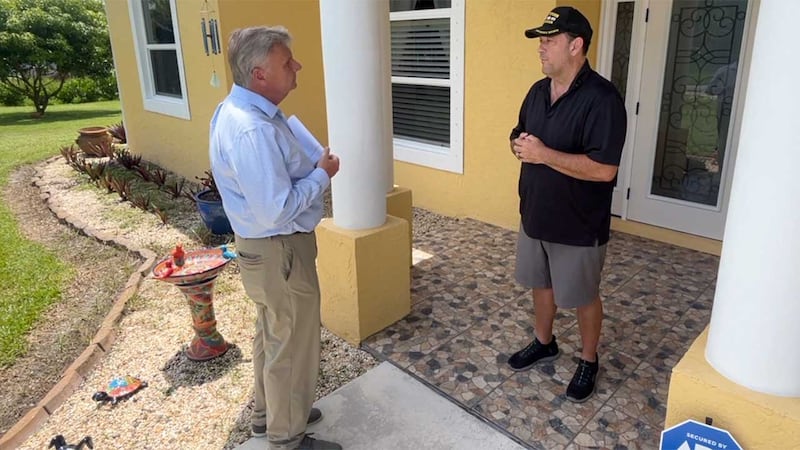
For Bobby Kuchinsky, a restaurant owner in Key West, Florida, the uncertainty became unbearable. For more than a month, he arrived at his establishment each morning worried about whether he would have enough staff, unsure if his longtime Haitian employees who had spent over a decade working as cooks, busboys and oyster shuckers would still have authorization. On July 23, he suspended six of them after their work permits expired.
The confusion extending beyond individual restaurants to affect thousands of businesses nationwide. U.S. Citizenship and Immigration Services repeatedly extended work permits by only a few days at a time, causing employers to struggle with compliance. Immigration attorneys noted that court rulings repeatedly changed deadlines surrounding work authorization, forcing small business owners to become experts in immigration law to comply with changing decisions from courts across the country.
An estimated 150,000 to 158,000 Haitian immigrants in Florida alone faced losing their ability to work legally, though all 350,000 Haitian TPS holders across the country are affected. The Trump administration terminated TPS for about 1 million people from more than a dozen countries, but the Haitian termination represents one of the largest single-country expirations in the program’s history.
The Supreme Court’s June 25 decision in Mullin v. Doe cleared the way for the termination by ruling that federal law largely prevents courts from reviewing a Homeland Security secretary’s decision to terminate a country’s TPS designation. The court also found that Haitian plaintiffs were unlikely to prove their claim that racial discrimination motivated the decision. After the ruling, a federal appeals court granted short-term extensions, but these brief reprieves only intensified uncertainty.
The loss of work authorization carries significant economic consequences. About 70 percent of TPS holders work, which means the labor market is about to lose more than 200,000 Haitian workers all at once. Haitian immigrants fill critical positions in healthcare, hospitality, construction, transportation and home health care industries already struggling with persistent labor shortages.
The healthcare sector faces particularly acute challenges. In Massachusetts, an estimated 2,000 long-term caregivers could be lost, while the state has already experienced workforce deficits with one in six direct care jobs already vacant. Hebrew SeniorLife, a provider in Massachusetts, managed to hire enough workers to fill only 75 percent of the positions Haitian workers are vacating. Temporary staffing agencies can help fill the void, but temporary workers cost roughly twice as much as regular employees, with labor costs potentially doubling from approximately $20 per hour to $40 per hour.

The loss of work authorization is not merely an employment issue but extends to immigration enforcement. Once TPS expires, affected Haitians lose legal status and become eligible to be arrested and processed for deportation by Immigration and Customs Enforcement unless they have another immigration status that protects them. Immigration attorneys cautioned that some TPS holders have other pending applications that could allow them continued work authorization, while others face few legal options.
Advocates and immigration attorneys warned that the expiration could lead to family separations on a massive scale. An estimated 50,000 children have been born in the U.S. To Haitian parents with TPS status, creating mixed-status families vulnerable to deportation. Many Haitian parents said they cannot fathom taking their U.S.-born children back to Haiti given current conditions.
The State Department currently maintains a Level 4: Do Not Travel advisory for Haiti, its highest-risk designation, citing an ongoing national state of emergency, widespread gang violence, kidnappings and limited health care access. Almost 1.5 million people have been displaced because of gang violence in Haiti, where more than half the country’s nearly 12 million inhabitants need humanitarian aid. The Trump administration argued that conditions had improved sufficiently to support the return of Haitian nationals, a claim immigration advocates strongly dispute.
Congressional efforts to extend TPS protections failed despite bipartisan concern about economic impacts. A legislative effort to extend TPS for Haitians through early 2029 passed the House but was blocked in the Senate. A fast-track attempt by congressional Democrats this week was also blocked, leaving legislative relief highly unlikely before protections expired.
Immigration attorneys urged affected Haitians to consult qualified counsel regarding alternative immigration options that might be available in individual cases. For employers, the prospect of losing trained, established workers who have been part of their operations for years represents both an operational and humanitarian challenge with no clear resolution in sight.