

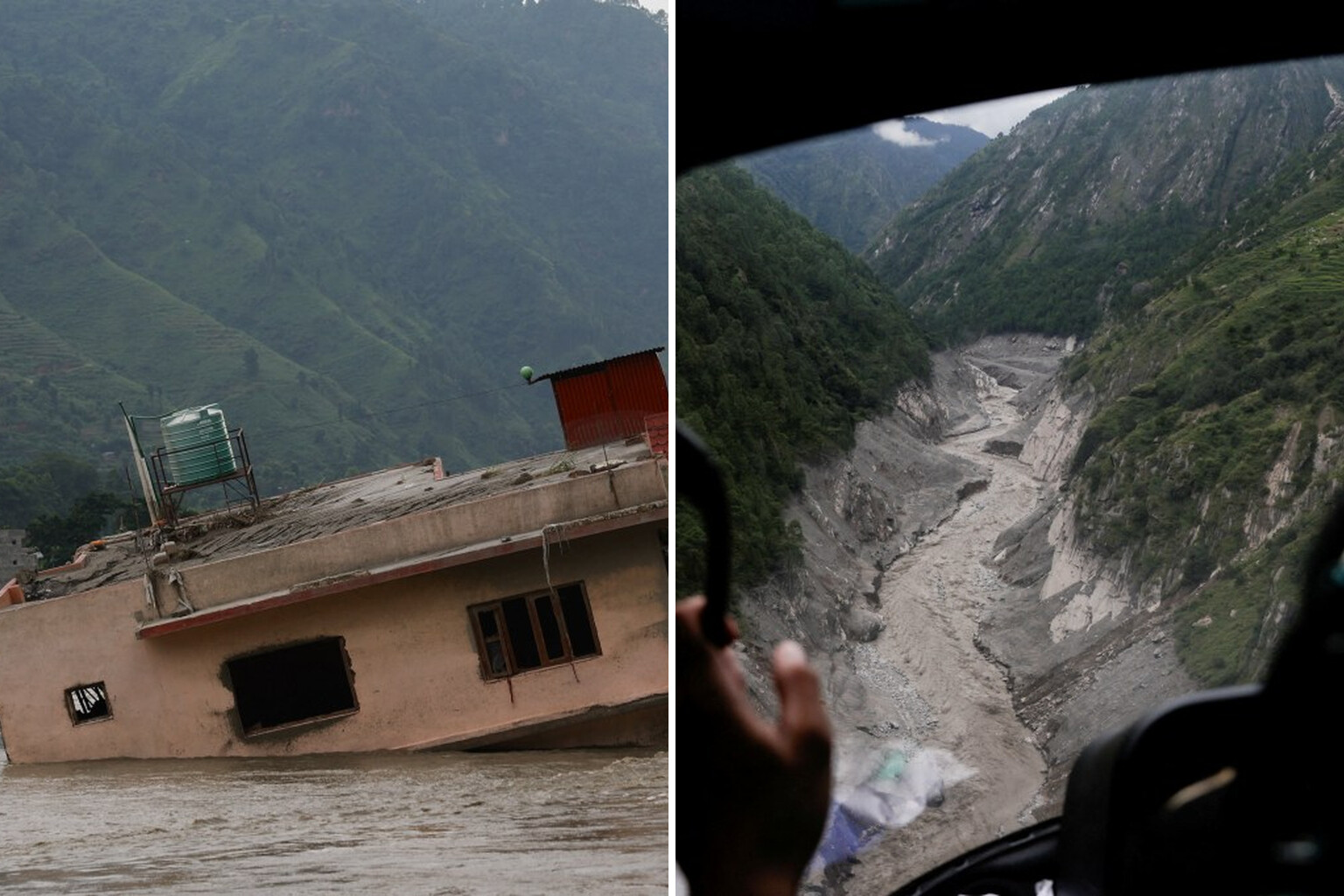
The State Department said Tuesday that roughly 70 Americans remain unaccounted for in the Nepal-China border region following catastrophic flooding last month.
The figure marks a slight improvement from the previous count of 75 Americans still missing, while the number of U.S. Citizens confirmed safe has risen from 16 to 18, officials said. No American deaths have been confirmed to date.
“We extend our deepest sympathy to all those affected by the flooding in Nepal, and their families, and we reaffirm our enduring friendship with the Nepali people,” a State Department official said.
The official added that the department “remains in close contact with the families of Americans who remain unaccounted for and is committed to providing regular updates as more information becomes available.”
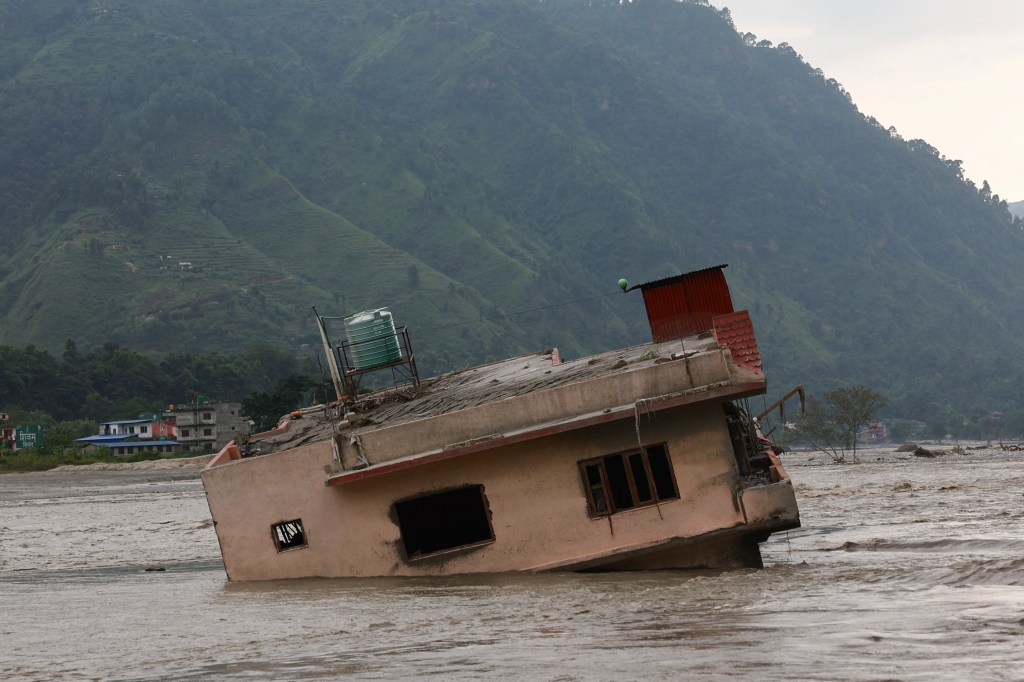
Officials issued a stark warning alongside the update, urging Americans to avoid travel to the disaster zone entirely. The region continues to face elevated risks of additional flash floods and landslides, making conditions unstable for any attempted visits.
The flooding originated from a glacier collapse on Aug. 26 that unleashed devastating waters along the Nepal-China border. Nepalese authorities said rescuers are now concentrating their efforts on three hydropower project tunnels where they believe dozens of workers may still be trapped beneath debris.
“Our search operation is focused on finding survivors, including in tunnels,” Dharma Raj Upreti, chief of Nepal’s disaster authority, said. “Our bigger focus is on the Chilime hydroelectric project, where we believe people are trapped, because there was a canteen, residency and arrangements for food.”
The broader human toll has been staggering. The disaster has killed at least 1,399 people across Nepal and China’s Tibet region, with more than 5,400 others still missing according to authorities.
Both the Nepalese and Chinese governments have pointed to climate change as the driving force behind the glacier collapse that triggered the flooding. The Aug. 26 event sent torrents of water and debris cascading through mountain valleys, overwhelming infrastructure and communities in its path.
The Chilime hydroelectric project has emerged as the most critical search site due to its underground facilities that may have provided some protection to workers caught in the deluge. The presence of food supplies and residential quarters there has sustained hopes that survivors could still be found.
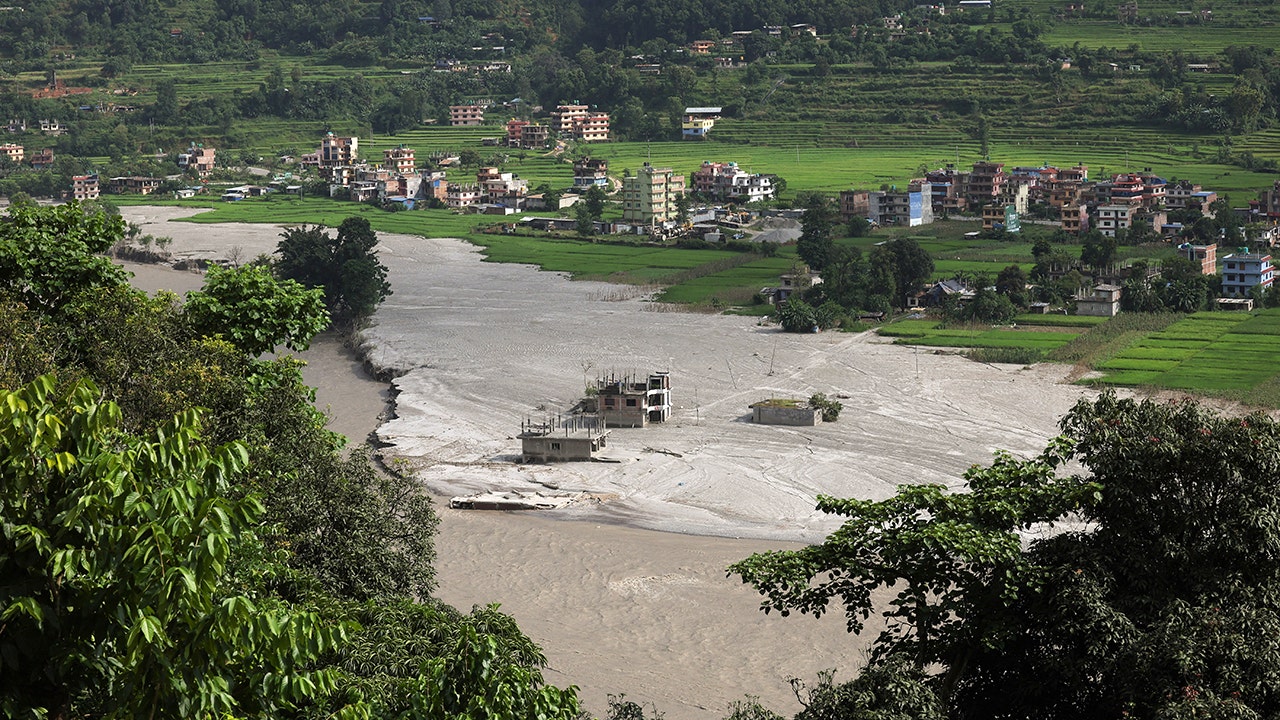
International rescue operations have continued for weeks, though hopes of finding additional survivors have dimmed as time passes. The remote, mountainous terrain has complicated access for rescue teams and the delivery of heavy equipment needed to clear tunnel blockages.
The State Department’s designation of the search for Americans as a priority comes as families of the missing have pressed for more information and swifter action. The gradual reduction in the unaccounted-for tally, from 75 to 70, offers limited reassurance that some of those still missing may eventually be located alive.
Nepalese authorities have not specified how many of the more than 5,400 people still missing nationwide might be foreign nationals, though the confirmed American numbers represent one of the largest groups of unaccounted-for foreigners identified by any government.
Rescue efforts are expected to continue focusing on the three tunnel systems as weather conditions permit, with teams working against both the debris and the ongoing threat of further landslides in the unstable landscape.