


Alex Murdaugh returns to a South Carolina courtroom Friday as his defense team mounts a sweeping effort to dismantle the murder case against him ahead of his 2027 retrial.
The disbarred attorney, 58, is scheduled to appear before Circuit Judge Debra McCaslin at 10 a.m. In Lexington County for a pretrial hearing that will test the boundaries of what evidence a new jury may hear when he is retried in April 2027 for the killings of his wife, Maggie, 52, and son, Paul, 22. Unlike his June appearance, which established the retrial timetable, Friday’s session follows a barrage of motions from both sides revealing starkly competing strategies.
Nathan S. Williams, a South Carolina federal criminal defense attorney and former assistant U.S. Attorney who served as criminal chief for the District of South Carolina, said that Murdaugh’s request to dismiss the case entirely is “a big ask” and “the explosive one, frankly, at this point.” He noted that the motion attacks the validity of the indictments based on alleged misconduct or false statements by investigators.

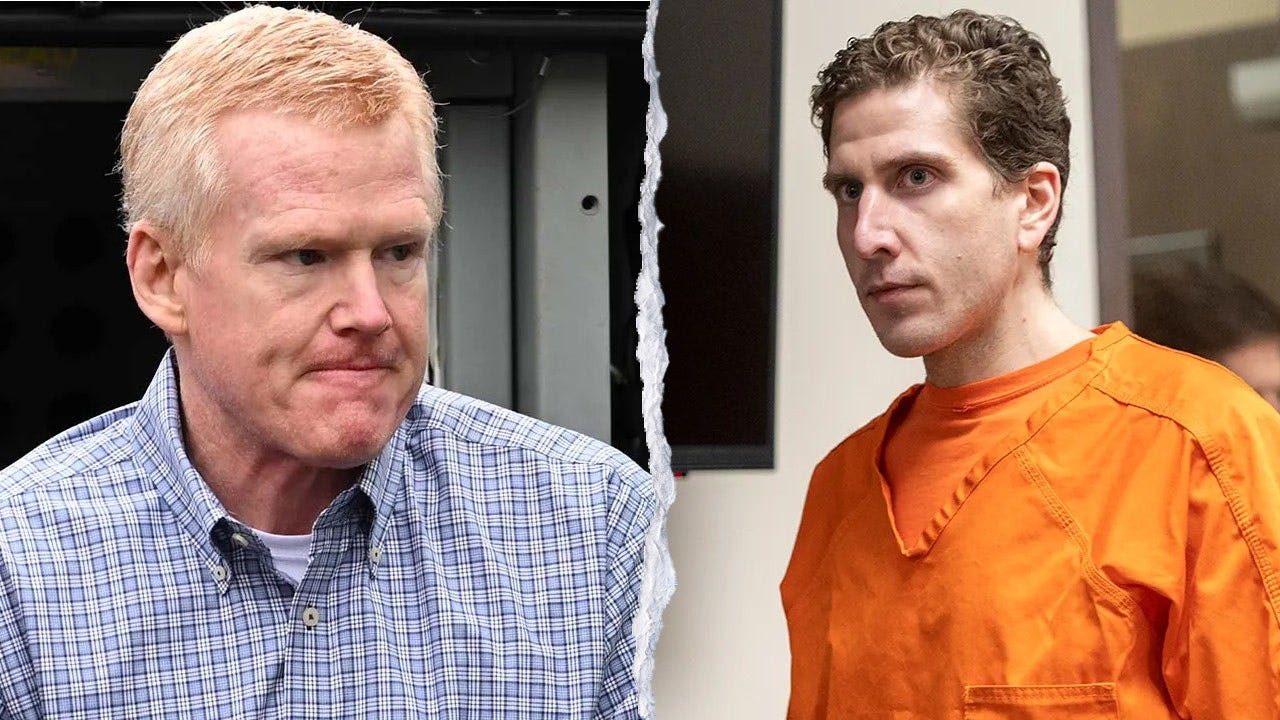
Murdaugh’s attorneys, led by Dick Harpootlian, have asked McCaslin to dismiss the murder and weapons indictments, alleging that false physical evidence was presented to the grand jury that indicted him. The motion targets testimony from South Carolina Law Enforcement Division investigator David Owen and raises fundamental questions about the evidence used to secure the original charges. It remains unclear whether McCaslin will rule on the dismissal motion Friday.
“They’re alleging misconduct or false statements by one of the main case agents,” Williams said. He added that he would be “a little surprised if that gets taken up on Friday,” saying the issue will likely require evidence, testimony and additional briefing.
The disputes range from the defense effort to dismiss the murder indictments outright to battles over whether prosecutors can again introduce evidence of Murdaugh’s financial crimes, use testimony he gave during his first trial and present other evidence to a new jury. Williams said that a second trial changes the strategic landscape for Murdaugh.
“There is no surprising the government or the state at trial,” Williams said. “He’s given his testimony, they can prepare infinitely now to cross-examine him.”

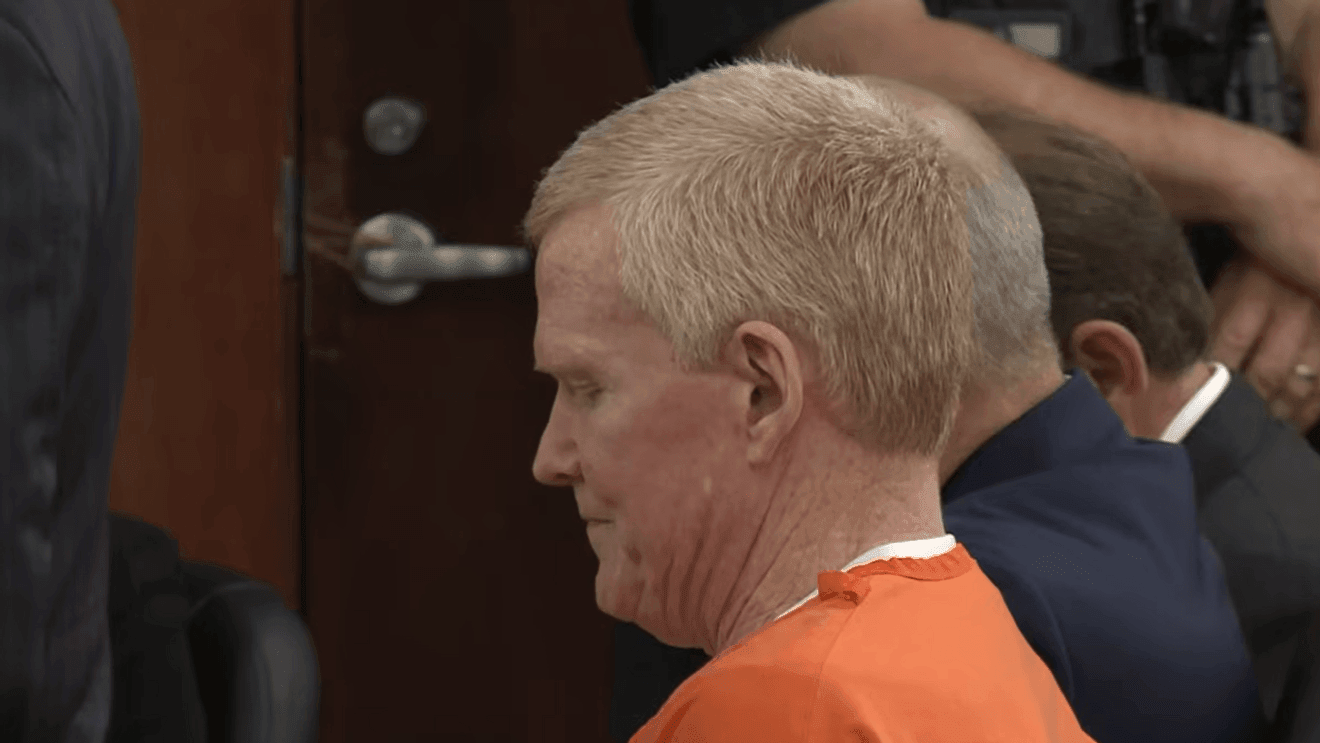
“That tends to be frankly more helpful for the state. I think they usually have a better chance on retrial,” he added, while noting that limits on some of the state’s evidence could cut the other way.
At Murdaugh’s first trial, prosecutors argued that years of theft and financial fraud were closing in on him and that the killings were an effort to distract from mounting scrutiny. The South Carolina Supreme Court did not rule that all evidence of Murdaugh’s financial wrongdoing was inadmissible, but it said prosecutors had been allowed to go too far into the details during the first trial. McCaslin will now be tasked with determining how much of that evidence can be presented to jurors the second time around. Williams said he expects the amount of financial evidence to shrink from the first trial. He said, “there will definitely be less,” adding, “How much less I think will be a good question.”
Prosecutors are also vying to use Murdaugh’s sworn testimony from his first trial during the retrial. Murdaugh took the stand in his own defense in 2023 and admitted lying to investigators about his whereabouts shortly before Maggie and Paul were killed. He denied murdering them. Whether jurors in the new trial will be able to hear portions of that prior testimony could become especially important if Murdaugh chooses not to testify again.
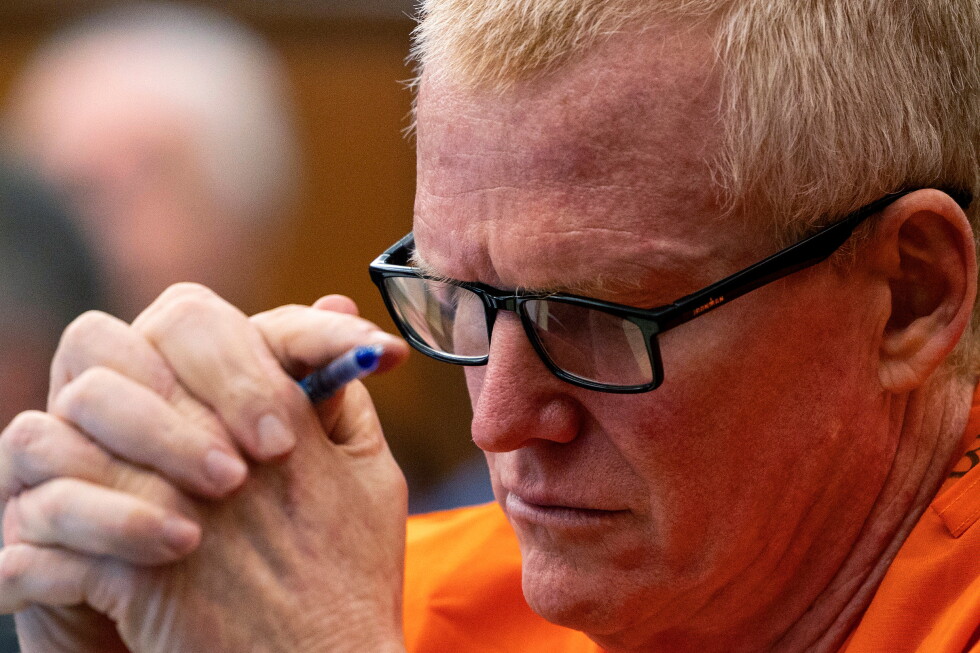

Another major fight involves forensic evidence. Murdaugh’s attorneys have sought additional DNA testing using newer techniques, including testing tied to evidence found underneath Maggie’s fingernails. In a July filing, the defense renewed its request for independent laboratory review of DNA evidence collected from beneath Maggie Murdaugh’s left-hand fingernails, identified as SLED Item 70. According to the filing, SLED previously determined the sample contained DNA from an “unknown and unrelated male” but did not conduct additional testing to identify the source.
The defense is asking the court to allow Othram Inc., a forensic genetic genealogy laboratory, to perform single nucleotide polymorphism, or SNP, testing on reserve DNA samples before SLED conducts any additional analysis. Defense attorneys argue SNP testing can identify unknown individuals from degraded or limited DNA samples, while SLED’s standard short tandem repeat, or STR, testing is primarily designed to compare DNA with known profiles already in law enforcement databases.
Murdaugh’s attorneys contend SLED has “articulated no scientific basis” for repeating STR testing on evidence that has already been analyzed and argue doing so could consume or degrade the limited biological material before more advanced testing can be performed.
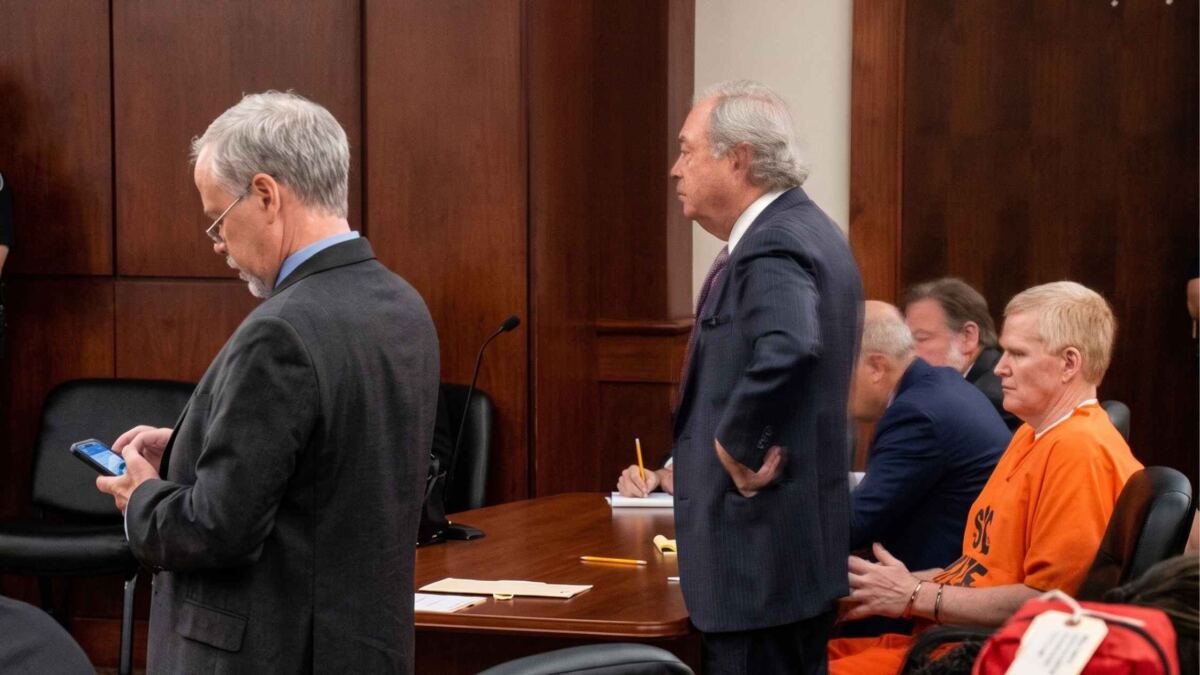
Prosecutors have not opposed additional testing outright but have sought safeguards surrounding the handling of evidence, testing procedures and access to results. Lead prosecutor Creighton Waters has said his team is happy to facilitate conversations between SLED and the defense regarding capabilities and proposals. “Independent testing might be tough,” Williams said. “It wouldn’t shock me if she lets them have a separate new test by the defense. To me, that strikes me as being fair, assuming they have the evidence available to be retested.”
The defense has also sought to move the retrial out of Colleton County, where the killings occurred and where the first trial became a media spectacle. Murdaugh’s attorneys have argued that extensive publicity surrounding the case, along with the fallout from former Colleton County Clerk of Court Becky Hill’s conduct, makes it impossible for him to receive a fair trial there. They have proposed moving the case to nearby Charleston County.
Williams said venue may be one of the more straightforward disputes for McCaslin to address Friday, though the location could be the real fight. “The battle, frankly, does seem to be not the venue change, but where,” he said. “Personally, I’d be a little surprised if she doesn’t change the venue.”
Other pending disputes involve access to phone data, third-party guilt evidence, discovery rules, polygraph evidence, juror questionnaires and protective orders governing sensitive material.
The South Carolina Supreme Court overturned Murdaugh’s 2023 convictions after finding that Hill improperly influenced jurors by urging them to watch his body language and listen to his testimony carefully, conduct she allegedly hoped would boost sales of a book she was writing about the case. The high court ordered a new trial, and Hill has since pleaded guilty to lying about what she said and did to a different judge. The retrial may look significantly different from the first, with McCaslin now weighing how much financial evidence jurors will hear and whether Murdaugh’s prior testimony can be used against him if he declines to take the stand again.
Murdaugh’s retrial is scheduled to begin with jury selection on April 5, 2027 in Lexington County.