


An 80-year-old woman with advanced Alzheimer’s disease temporarily regained speech, continence and memory after receiving a single high dose of psilocybin in a case study published last week.
The patient, a Japanese-American woman whose condition had declined over a decade, had been reduced to speaking in single syllables, relying on caregivers for mobility and suffering from urinary incontinence before the experimental treatment, according to the report in Frontiers in Neuroscience. Researchers administered a 5 g dose of the psychedelic compound found in so-called magic mushrooms to the woman as part of the intervention.
The initial phase brought concerning symptoms: she became agitated, sweated profusely and entered a prolonged sleep state that suggested unconsciousness. But around hour 19, a striking shift occurred. She began speaking in full sentences and recalling life events she had been unable to articulate for years.
In the days and weeks that followed, the improvements multiplied. She regained urinary continence, even during evenings, and began dressing herself without assistance. She made and maintained eye contact, remembered social interactions, responded emotionally to others and held lucid conversations.
At a one-month follow-up, the patient remained continent and offered a positive assessment of her experience, telling those around her: “It is pleasant to come here.”
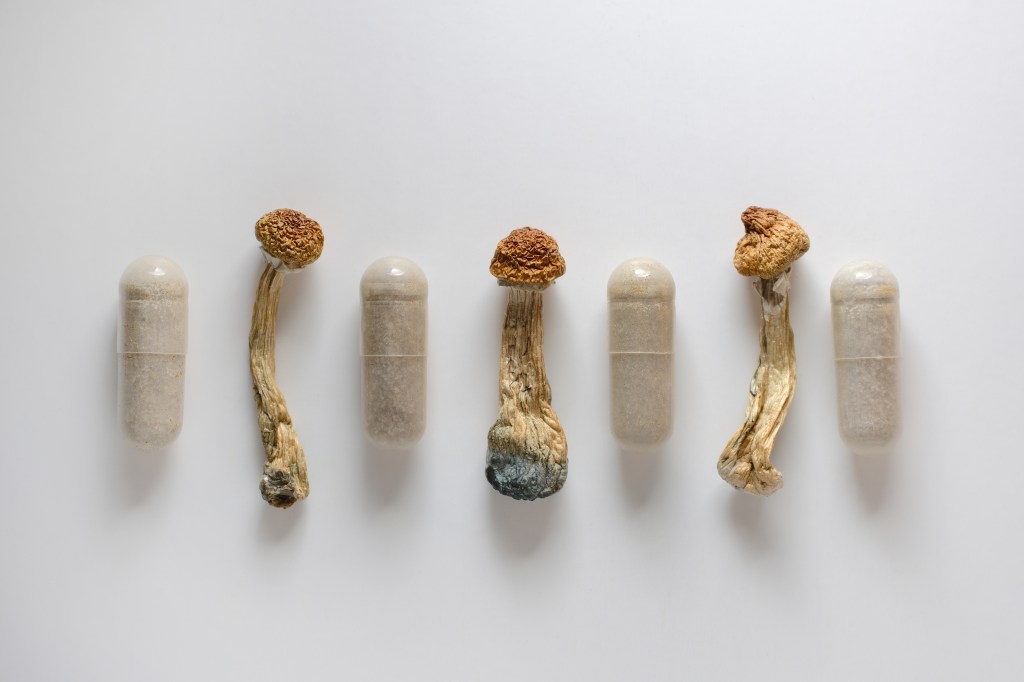
A subsequent 3 g dose of psilocybin produced additional gains, including increased verbal expression, humor and greater walking agility. The researchers did not specify exactly how long the improvements lasted, though they characterized the effects as temporary and noted that psilocybin did not reverse the underlying disease, as her neurodegeneration remained.
The study authors emphasized that the primary limitation of their work is the one-patient model, making broader conclusions impossible without further research. Still, they argued that the case demonstrates a significant possibility: some functions believed to be irrevocably lost to late-stage dementia may not be gone but merely inaccessible, and a psychedelic intervention has the potential to recover them, if only briefly.
Psilocybin has previously been studied as a treatment for depression, anxiety, addiction and PTSD. Research has found that the compound allows new brain connections to form and activates the brain’s serotonin receptors, which influence cognition, mood and perception. Earlier work suggested psilocybin could alleviate depression for at least five years after a single dose.
The case joins a growing body of research into psychedelic applications for neurological conditions, even as the compound remains a controlled substance with known risks. Magic mushrooms can cause vivid and frightening hallucinations, distressing experiences and accidents, and at worst can induce psychosis. Those with a history of bipolar disorder or schizophrenia face elevated risk.
The woman’s decade-long decline before treatment exemplifies the trajectory Alzheimer’s typically follows. The neurodegenerative disease, which affects millions of Americans, gradually destroys memory, thinking skills and the capacity to perform basic tasks. It is generally regarded as a phase of irreversible decline marked by loss of autonomy, communication, continence, mobility and social interaction, with current treatment strategies mostly supportive and functional recovery considered highly unlikely.
The researchers’ findings challenge that assumption of irreversibility, at least temporarily, though they caution against overstating the implications of a single case.