

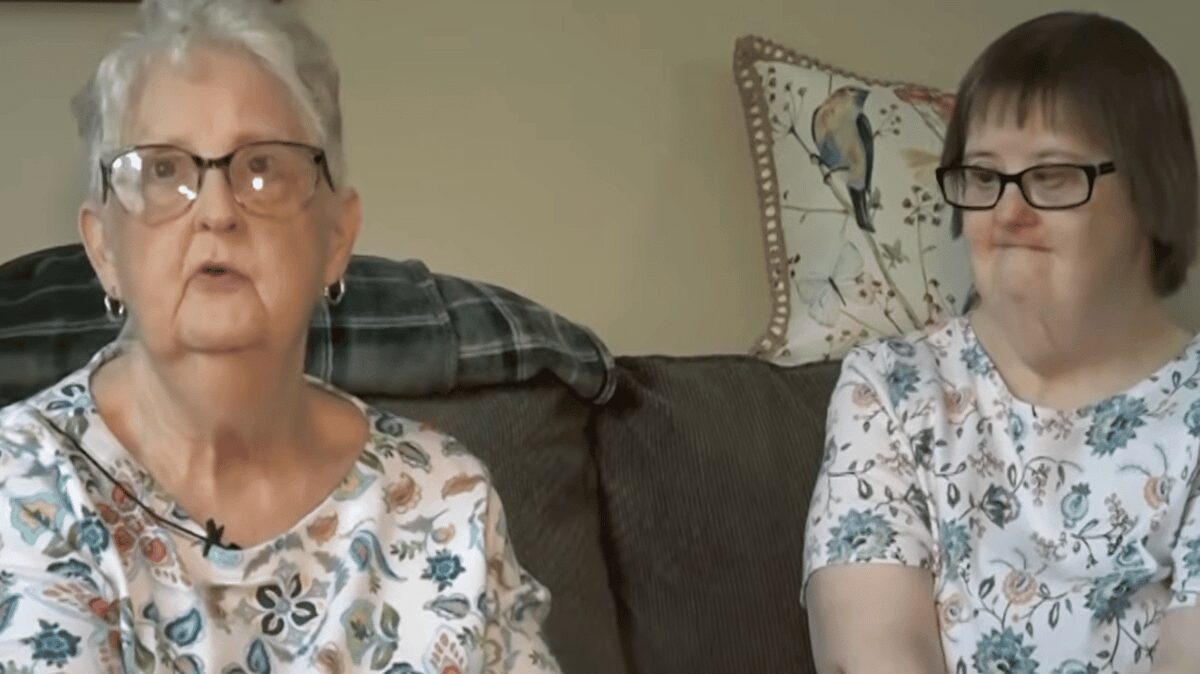
A 52-year-old woman with Down syndrome says she was reduced to tears at an airport after American Airlines employees decided she could not fly unless another person accompanied her.
Jennifer Jaspers had planned to travel by herself from Omaha, Nebraska, to North Carolina on July 23 to celebrate her birthday with her father and cousins. But after arriving at Eppley Airfield with her mother, Cindy Garrett, she was evaluated by staff on whether she could handle emergency instructions without help.
That process ended with Jaspers being refused a boarding pass after a supervisor stepped in. American Airlines later said its rules require any passenger who cannot follow in-flight safety directions to travel with a safety assistant.
Garrett said one of the questions her daughter was asked during check-in was whether she could get herself out of a building on her own. The question, Garrett said, appeared to catch Jaspers by surprise, and she responded that she did not know.
Recalling the moment, Jaspers told WLFLX, “I started crying at the airport.”
Garrett said her daughter has flown alone many times before and has previously relied on airline workers for help getting from one gate to another. As Garrett put it, “She has a phone in her purse all the time and she knows how to use it,” Garrett said.
The airline said staff at the airport followed company procedure when assessing Jaspers and determined that she needed a safety assistant. American Airlines also said it offered to provide that assistant at no extra charge.
Garrett said Jaspers had booked a first-class seat, but the family was informed that she would not be allowed to remain in first class if traveling with a safety assistant. The airline said her original ticket was refunded and added that the policy has long been in place and is listed on its website.
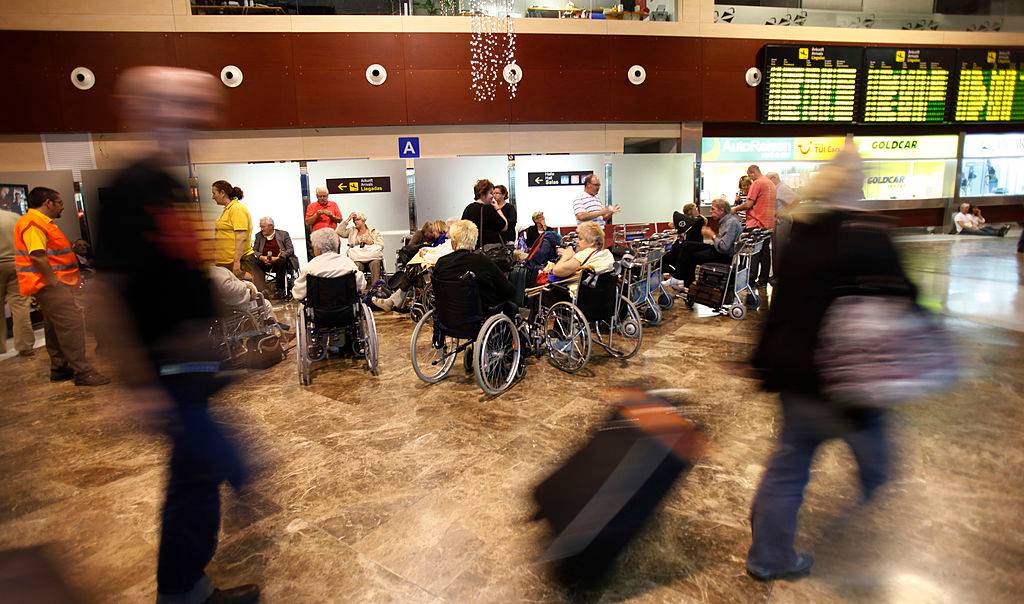
The situation has prompted concern from disability advocates, who are questioning how carriers decide which passengers should face those kinds of assessments.
Elizabeth Draney, director of the Down Syndrome Alliance, said many people with Down syndrome are fully capable of traveling on their own and raised concerns about how airlines choose whom to screen. She said, “If they have these questions they ask to determine if someone can fly, who are they deciding who to ask those questions to – that would be something I wonder about,” Draney said.
The US Department of Transportation says airlines may require a passenger to fly with a safety assistant only in certain situations, including when that person cannot understand safety instructions. Under federal regulations, a safety assistant can be required only to assist a passenger in exiting the aircraft in case of an emergency or to establish communication with carrier personnel for purposes of the required safety briefing. The department also says that if a passenger disputes that determination, the airline cannot make that traveler pay for the assistant’s ticket.

The DOT said it treats allegations of disability discrimination seriously and noted that passengers who believe their rights were violated can file complaints with both the airline and the department.
This case comes as American Airlines faces increased scrutiny over its treatment of passengers with disabilities. In October 2024, the Department of Transportation issued a landmark $50 million penalty against the airline for unsafe physical assistance that resulted in injuries and undignified treatment of wheelchair users, as well as repeated failures to provide prompt wheelchair assistance. The penalty included a $25 million fine to the U.S. Treasury.
Even after the airport ordeal, Jaspers still wants to make the trip to North Carolina. Garrett said Jaspers’ father spent two weeks organizing a round-trip journey from North Carolina to Omaha and paid $1,800 so he could act as her travel assistant.
The family now plans to ask American Airlines whether its earlier offer of a no-cost safety assistant is still on the table. Garrett said, “If they’re the ones that say she needs a second person, then at least half of it they should pay,” Garrett said.
American Airlines did not provide any additional comment beyond its previous statements.